
Pune police arrest Schaeffler India CEO after CO2 leak killed two workers
Gas escaped during cylinder replacement in basement lacking emergency exit and rescue team, Indian law names chief executive as factory occupier and German parent learns what its subsidiaries cost
Images
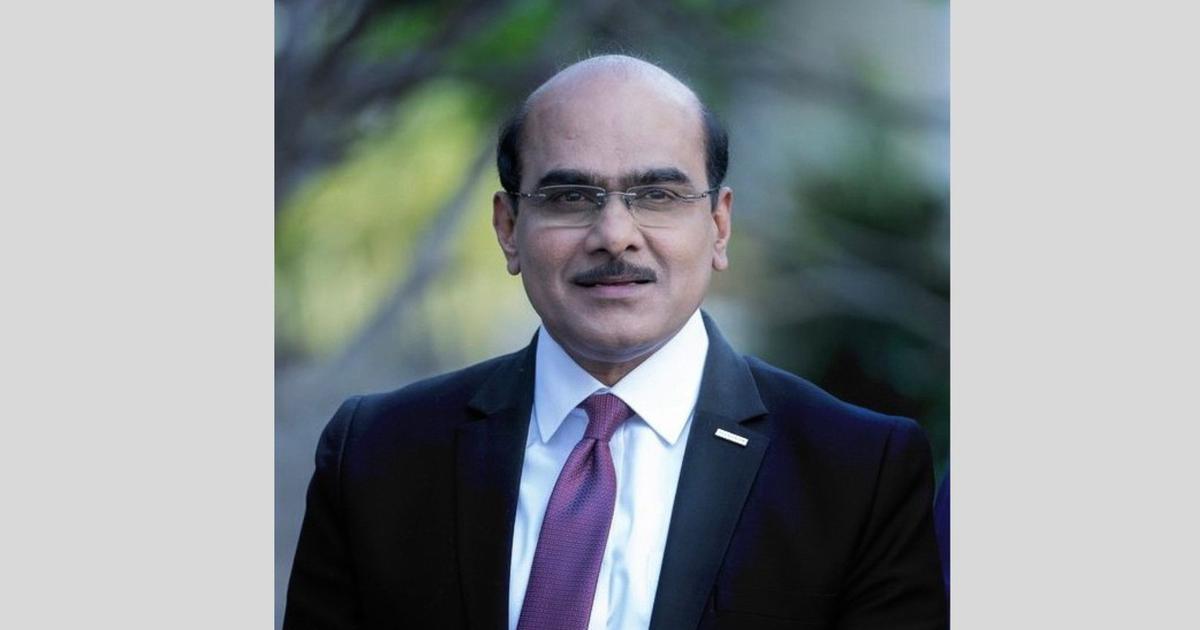 Schaeffler India Chief Executive Officer and Managing Director Harsha Gopal Kadam
|
Harsha Kadam/LinkedIn
scroll.in
Police in Pune arrested the chief executive of Schaeffler India on Monday, months after a carbon dioxide leak at the company's Talegaon factory killed two workers. Harsha Gopal Kadam, who serves as both CEO and managing director, was taken into custody by the Talegaon MIDC police station under provisions of the Bharatiya Nyaya Sanhita, the company confirmed in a stock exchange filing on Tuesday.
The leak occurred on June 9 during a scheduled cylinder replacement in the factory's basement fire-suppression system. Two workers died and three others were affected. Police registered a case in July against six persons, including company officials and representatives of the contractors who maintained the fire-suppression system.
The first information report alleges a catalogue of preventable conditions: no emergency exit from the fire-suppression system, ventilation running in the basement without permission, no trained staff or experts on hand, no personal protective equipment for workers, and no rescue team deployed at the site. Schaeffler India, which manufactures bearings and precision machinery components, says Kadam was drawn into the investigation because the 1948 Factories Act designates the chief executive as the factory's "occupier" — the legally responsible person on paper regardless of who signed off on the basement's ventilation permits.
The arrest is the latest instance of Indian criminal law treating workplace deaths as a personal matter for whoever sits at the top of the local org chart. The doctrine has caught foreign executives before, and it forces multinational boards to price jurisdictional risk that never appears in their safety audits. Schaeffler's parent in Germany now faces the question of what it means to operate a supply chain whose local chief can be jailed for the failings of a maintenance subcontractor — a question the group's compliance manuals, written for fines and internal reviews, do not answer.
Two workers died in a basement that, according to the police report, had no emergency exit and no rescue team. The CEO of the Indian subsidiary is now in custody because a 1948 statute says the occupier is whoever holds his title.