
Flesh-eating screwworm reaches US wildlife as Texas elk confirms return of eradicated parasite
Sterile-fly factory that once solved the problem no longer exists, Mexican import ban already pushed beef prices to record highs
Images
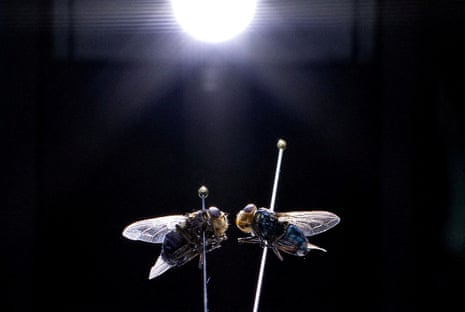 A New World screwworm and other botfly specimens under the microscope at a lab in Kerrville, Texas. Photograph: Kaylee Greenlee/Reuters
theguardian.com
The US Department of Agriculture has confirmed the first detection of the flesh-eating New World screwworm parasite in American wildlife — an elk on a game ranch in Pecos County, Texas, reported after a hunter harvested the animal. The Texas animal health commission will now modify the infested zone it established earlier, and state and federal agencies are conducting additional wildlife surveillance in the area.
The screwworm was eradicated from the United States decades ago, a feat achieved by a factory that bred the flies, sterilized them and released them by the millions to collapse the wild population. That facility is gone. The parasite has since surged north from Central America through Mexico, where the barrier has leaked, and its larvae — which eat living flesh — have now crossed the border. The first US case this year was confirmed in June on a calf in Zavala County, near the Mexican border. Dozens of cases have followed, including on a horse and a dog.
Washington responded last year by halting livestock imports from Mexico, a ban that lasted more than a year and has tightened US cattle supplies while pushing beef prices to record highs for American consumers. Trade resumed in August at an Arizona port under a phased reopening plan. Texas wildlife division director Alan Cain has urged all hunters and landowners to watch for signs of the parasite.
The biological logic of the situation is unforgiving: a new sterile-fly factory takes years to build, while the fly itself walks north on its own schedule. The one infrastructure project that would actually stop the parasite at the source was the one dismantled after the problem appeared solved — and the elk in Pecos County is the receipt.