
AI turns US midterms into electoral laboratory
Operations that once needed 400 people at a St Petersburg troll farm now run in an afternoon by half a dozen people, campaigns that abstain lose to campaigns that do not
Images
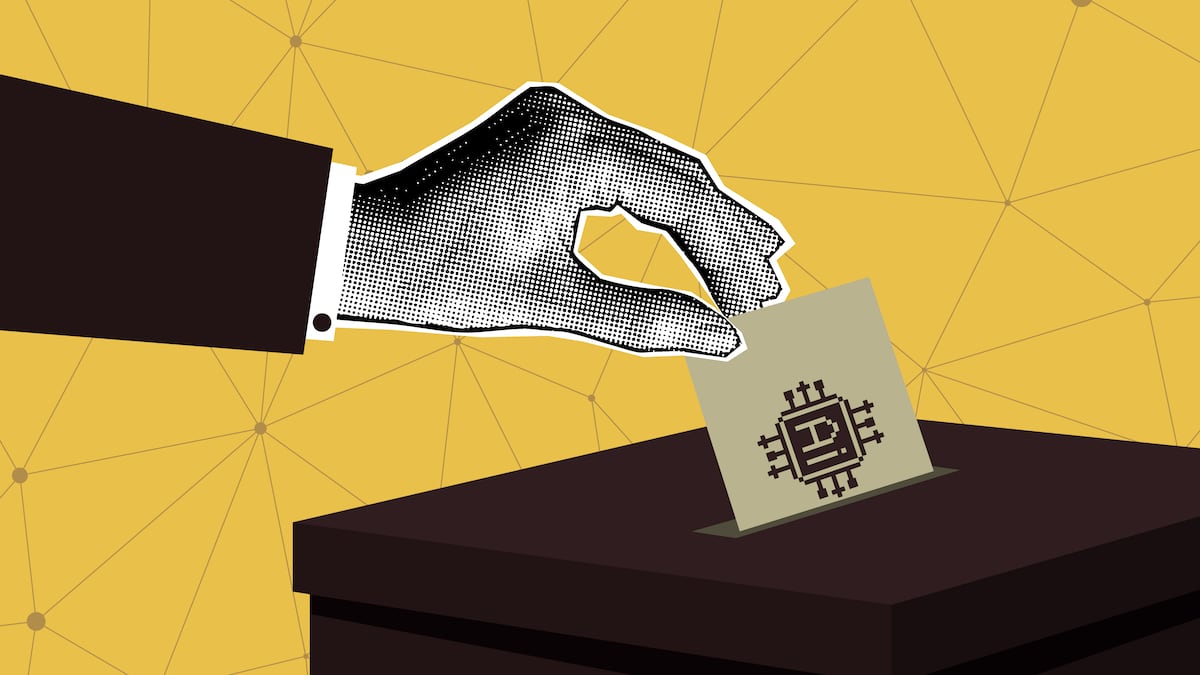 AI turns the midterms into a vast electoral laboratory
english.elpais.com
The 2016 Russian interference campaign in the US election required a coordinated effort by intelligence services and roughly 400 people working day and night at the Internet Research Agency, Yevgeny Prigozhin's St Petersburg troll farm. According to EL PAÍS, operations of that scale can now be carried out in an afternoon by half a dozen people and a single computer, without state resources.
The upcoming midterms are the first US election cycle with autonomous AI agents in the field. Researchers have already used leading commercial models to generate convincing fake official documents alleging electoral fraud, and videos showing people tampering with ballot boxes, inserting multiple ballots, and voting with foreign passports — as well as fabricated footage of authorities and the FBI inspecting ballot boxes and corroborating conspiracy theories. Reports published by Anthropic, Google, Meta, OpenAI and Microsoft, alongside the Atlantic Council's Digital Forensic Research Lab, have exposed early influence campaigns from China, Iran and Israel using agents operating autonomously on social media. One Iranian operation reached nearly 80,000 followers during the first half of 2026. IntelEye, an Israeli company founded by former NSO Group members, used DeepSeek to create 10,000 fake accounts and initiate conversations on Facebook, Instagram, TikTok and X.
The most anticipated scenario is not the manipulation of vote counts — considered the least likely attack — but disinformation designed to convince voters that systems have been compromised and large-scale fraud is underway. The Election Integrity Partnership, which tracked such campaigns, was disbanded in 2024, and the Trump administration does not foresee any special measures to mitigate disinformation and cyberattacks. Its stated main concern is that adversary states use open-source Chinese models to carry out attacks.
The technology is legal, cheap and scale-changing, and the campaign that abstains concedes an advantage to the one that does not. The regulation, as usual, is scheduled to arrive after election day.