
UK inflation climbs to highest in almost a year on surging fuel prices
September consumer prices rose 3.5 percent as Hormuz war squeezes oil supplies, one in eight households already owe money to their energy supplier
Images
 UK inflation rise to highest in almost a year as Iran war drives fuel prices higher – WTOP News
wtop.com
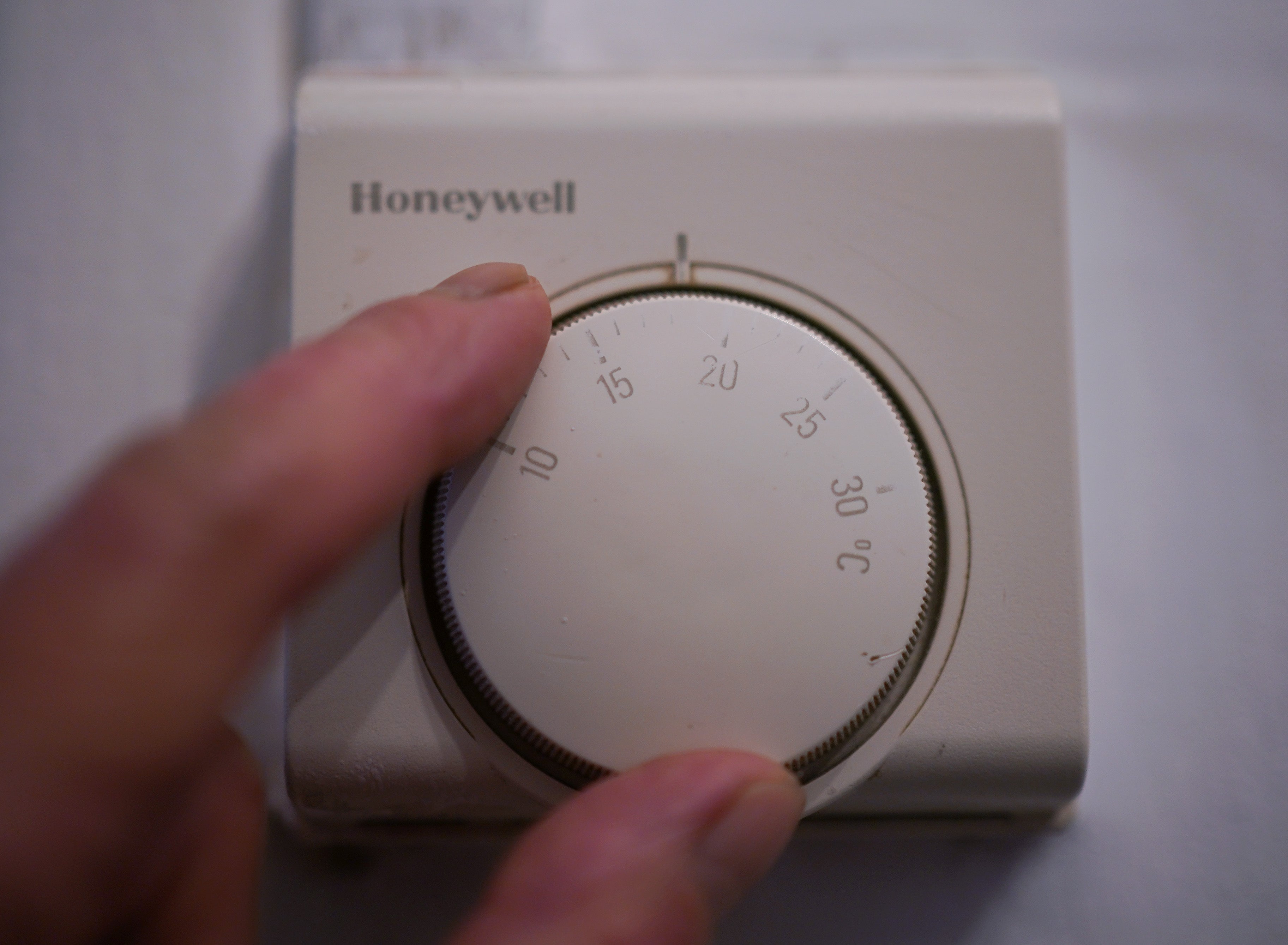 Research by Uswitch indicates that two in five households (40 per cent) feel more anxious about paying for energy this winter compared with last year (PA)
independent.co.uk
UK consumer prices rose 3.5 percent in the year to September, the highest reading in almost a year and above the 3.4 percent economists had forecast. Figures published Wednesday by the Office for National Statistics show the acceleration from 3.1 percent in August was driven above all at the pump: motor fuel prices rose 30 percent on the year, up from a 23 percent annual rise a month earlier.
The fuel costs trace back to the war with Iran and the bottlenecks it has created in the Strait of Hormuz, which have squeezed global oil and gas supplies. British interest rates had been trending down from a 15-year high of 5.25 percent until the United States and Israel attacked Iran in late February; the war reversed the direction of travel. Last month the Bank of England held its main rate at 3.75 percent while hinting that a hike was coming, and most economists now expect a move to 4 percent at the November 5 meeting. The Federal Reserve and the European Central Bank have raised rates recently as well.
The second bill is already in the post. More than nine million households are heading into winter either in debt to their energy supplier or with no account credit, according to a Uswitch survey, and 3.4 million of them — nearly one in eight — owe suppliers a collective £750 million, £220 on average. Direct debit arrangements are designed so customers build credit over the summer to cover winter bills, but only 55 percent of billpayers are in credit this year, down from 64 percent in 2022, and among those in credit only 29 percent have saved £300 or more. The typical billpayer holds between £51 and £100.
Ofgem's price cap rose 3.6 percent to £1,723 for a typical household on October 1, and forecasters predict another 22 percent rise in January — nearly £300 on a typical bill, an increase attributed to the Iran war. Citizens Advice has called on the chancellor to commit additional crisis support in next week's Budget, beyond the Warm Home Discount, after its advisers reported disabled workers weighed down by massive energy debts and working parents unable to cover the costs of basics. Treasury chief John Healey says the budget statement will aim to give businesses and families 'some breathing space' from the rising cost of living.
What that space consists of is not specified. Among indebted customers, 65 percent say their supplier has contacted them about the arrears; about 12 percent report receiving help arranging a repayment plan. The remedy available to the Bank of England for inflation born in the Strait of Hormuz is to make borrowing dearer in Britain. In the Uswitch survey, 43 percent of billpayers plan to wear extra clothing rather than turn on the heating, and 8 percent plan to spend less on food.