
Brazilian electoral court gives Meta second deadline over Lula restrictions
Oversight board cites recurring enforcement failures across two elections, unpublished anti-fraud criteria arbitrate a foreign campaign from Menlo Park
Images
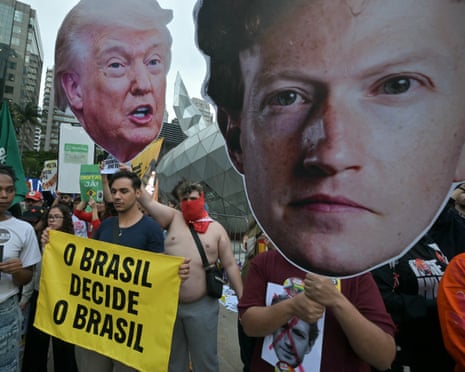 Brazilians protested outside Meta’s headquarters in São Paulo this week, alleging the tech firm restricted Lula’s reach. Photograph: Nelson Almeida/AFP/Getty Images
theguardian.com
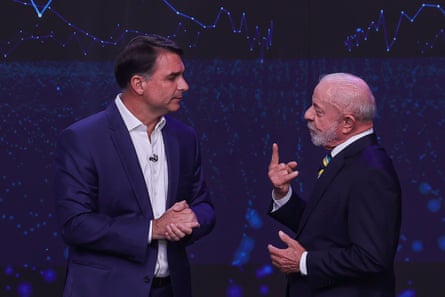 Meta has denied any favouritism in the contest between Lula, right, and Bolsonaro, son of the former president Jair Bolsonaro. Photograph: Allison Sales/NurPhoto/Shutterstock
Shutterstock
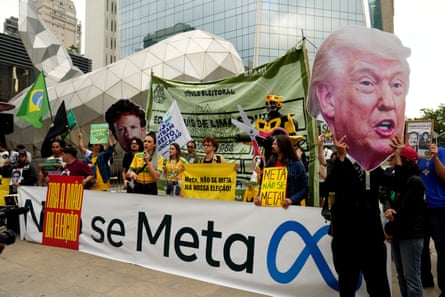 Meta has netted £43m as the only provider of large-scale channels for paid digital campaigning in the Brazilian presidential election. Photograph: André Penner/AP
theguardian.com
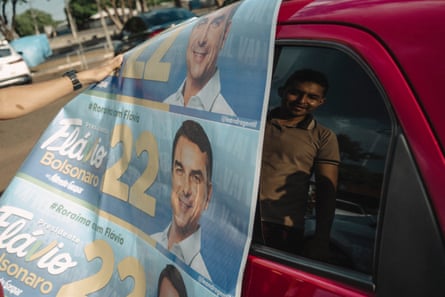 Lula’s lawyers say that Bolsonaro’s campaign was unfairly advantaged. Photograph: Raphael Alves/The Guardian
theguardian.com
Brazil's electoral court has given Meta a second 24-hour deadline to prove that restrictions on President Luiz Inácio Lula da Silva's Instagram account have been fixed, five days before the presidential runoff, after the company failed to satisfy a justice who nonetheless said he found no evidence of deliberate interference.
The dispute began after the first round of the election, when Lula was unable to boost his Instagram posts for almost 24 hours while his opponent, far-right senator Flávio Bolsonaro, could. Lula's lawyers submitted the episode to the electoral court and international observers as evidence that Meta was interfering on Bolsonaro's behalf. Lula's supporters suspect the company is acting for US president Donald Trump, who has close ties to the Bolsonaro family. About a dozen watchdogs and research groups published reports describing what they called indications of favouritism toward the senator's campaign.
Meta calls the allegations false and unfounded, attributing the problems to technical incidents affecting campaigns from different parts of the political spectrum. On 23 September, Lula's campaign advertising account was disabled for more than an hour after an anti-fraud review wrongly classified an ad as an attempt to impersonate a government social programme — a mistake, the company says, not politics.
The pattern extends beyond Brazil. Meta's oversight board, a quasi-independent body funded by the company, issued a statement citing recurring enforcement failures in Meta's election integrity efforts — pointing both to the over-enforcement of fraud policies against Lula's ad accounts and to the suspension of the anti-Trump No Kings movement's Instagram account during last Saturday's US midterm demonstrations. Meta said its anti-fraud systems wrongly flagged bot traffic and apologized; automated review restored the account within about an hour.
The oversight board concluded that Meta must do more to ensure its enforcement practices during elections are transparent and consistent. The criteria that trigger these enforcement actions remain unpublished, and appeals go back to the same reviewers. Justice Marco Aurélio Bellizze, who found no evidence of deliberate action, still ordered the company to prove the problems would not recur — and found Meta's first answer insufficient on Monday.
Meta now has human review to prevent automated restrictions, the company told the court, and the runoff proceeds on Sunday.