
Hot nights and shift work degrade Europe's sleep, Journal of Sleep Research paper finds tracking devices feed the anxiety they are sold to relieve
Researchers prescribe coordinated action across five policy sectors
Images
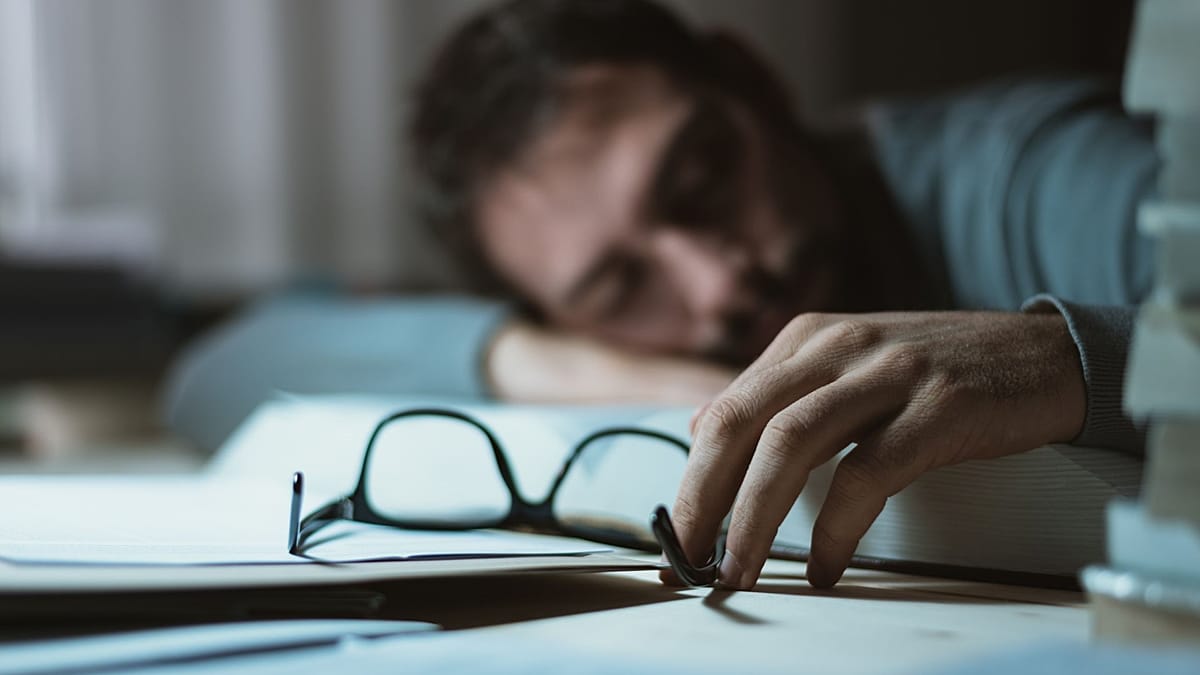 Why getting a good night's sleep is getting harder?
euronews.com
A paper in the Journal of Sleep Research describes a "perfect storm" converging on Europe's sleep. The world's fastest-warming continent is experiencing hotter nights that interfere with the body's ability to cool down, delaying sleep and multiplying awakenings, while an estimated 21 percent of European workers do shift work. "People are aware that sleep matters, but few recognise how factors such as climate change, technology, shift work, urban environments and misinformation are combining to affect how well we sleep," said Fran Pilkington-Cheney, a co-lead author and lecturer in psychology and sleep at Nottingham Trent University.
Heat is only the entry point. Urban traffic noise, pollution and artificial light add to the problem, and the burden is distributed by income: poorly insulated homes, overcrowded accommodation and the inability to afford cooling decide who suffers most. Refugees and displaced people, the authors note, meet heat, noise, artificial light and a lack of privacy simultaneously.
The paper then turns to the commerce that has grown around the problem. Wearables and sleep apps can flag potential disorders and let clinicians monitor patients remotely, including in rural areas short of specialists — but consumer devices are not accurate enough to diagnose anything, and their readouts can generate anxiety of their own. The literature already has a name for that anxiety: orthosomnia, an excessive preoccupation with achieving perfect sleep measurements. Social media trends such as "sleepmaxxing" push rigid routines, unproven remedies and constant self-monitoring, while influencers and AI tools make it harder to distinguish scientific evidence from commercial promotion.
The authors' conclusion is a call on European governments to address the social and economic conditions that determine whether people can sleep, "shifting away from individualised approaches toward coordinated, systems-level action across policy, healthcare, education, industry, and environmental planning", with stronger protections for workers who cannot control their schedules.
A problem located in bedrooms, rosters and building codes is thus to be met by five policy fields at once. The authors want governments to coordinate them; the devices they warn can feed anxiety are sold as wellness products.