
Keya Group lays off 739 more garment workers in Gazipur
Bangladesh's dominant export industry sheds jobs as Hormuz war drives global energy crunch, Rana Plaza-era safety accords never covered the power bill
Images
 time.com
 Charlie Campbell
time.com
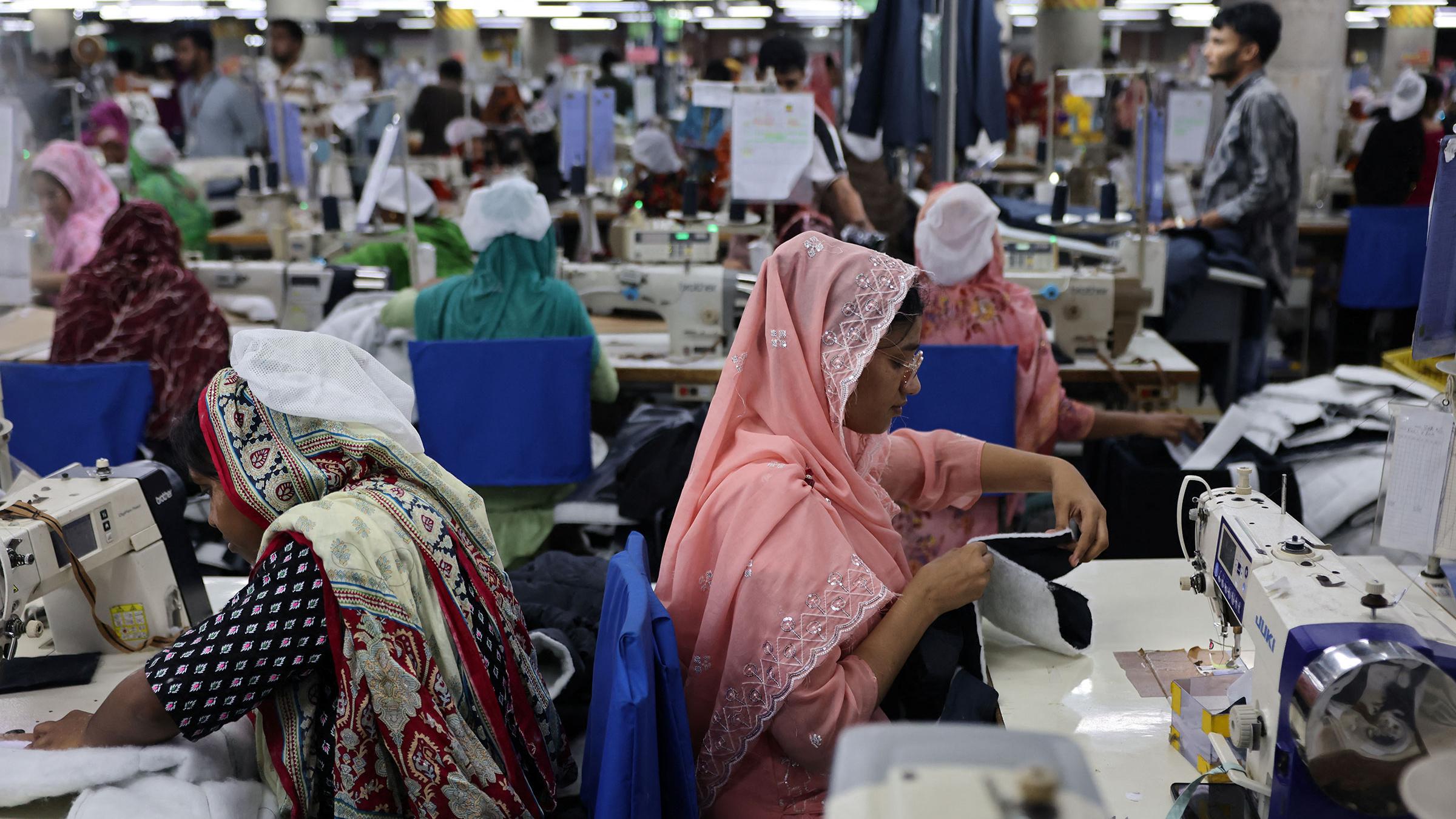
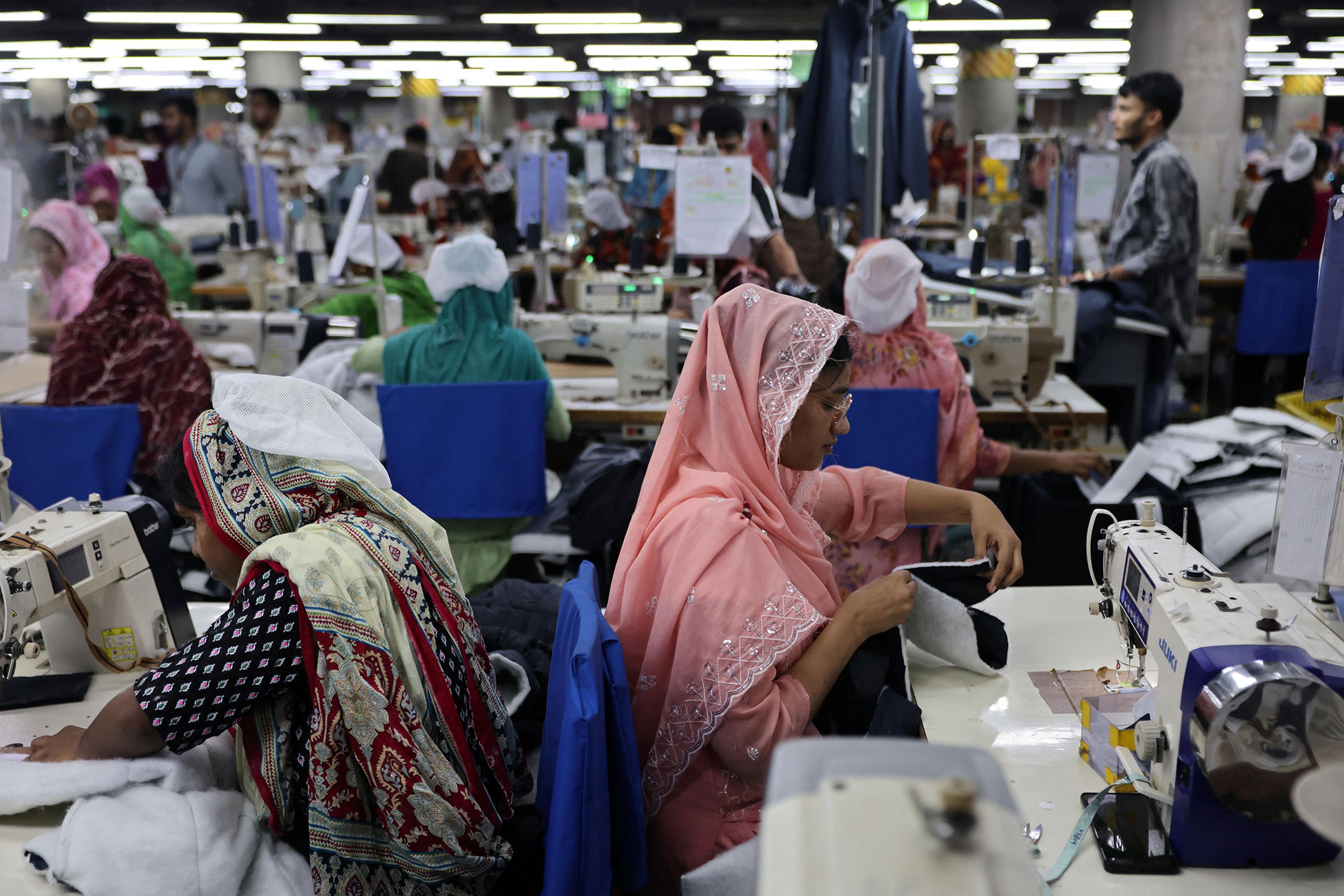 Employees work in the sewing section at the Yarn Dyeing Limited factory, amid the energy crisis, in Savar, on the outskirts of Dhaka, Bangladesh, on Sept. 17, 2026.Mohammad Ponir Hossain—Reuters
time.com
Keya Group has laid off a further 739 workers in Gazipur north of Dhaka, as Bangladesh's flagship export industry absorbs the global energy crunch. Time reports from Dhaka that factories were already struggling in an energy crisis that had gripped the country by September.
The proximate driver lies far from the sewing floors. The war around the Strait of Hormuz has strangled tanker traffic and pushed liquefied natural gas to four-year highs, and the shock travels down each supply chain until it reaches the link with the thinnest margin. Japan met the same price signal with electricity bills up more than a quarter in a single week. Bangladesh's factories meet it with redundancy notices.
Garments dominate Bangladesh's exports because they are among the cheapest clothes on earth to make, which is precisely why the industry sits last in line when energy is rationed and repriced. The workers at the machines hold no hedges and no contracts that pass costs upward; when the input price moves, the adjustment is made in headcount.
Western brands have spent more than a decade building a safety regime in Bangladeshi factories after the Rana Plaza collapse of 2013 killed more than a thousand workers. The accords audit buildings, wiring and fire exits — the disasters that arrive suddenly. They were not built for the disaster that arrives slowly, in a gas price, and takes the form of 739 people in Gazipur losing their wages.
Time's report is illustrated with a photograph of the sewing section at Yarn Dyeing Limited in Savar, on the outskirts of Dhaka, taken in September. When the gas price moves, the workers at those machines are what gets adjusted.