
Instacart pays 5 million dollars over green card job ads rigged against American applicants
PERM process requires employers to advertise roles they have already filled, DOJ prices the tech industry's labor-shortage claim for the first time
Images
 newsweek.com
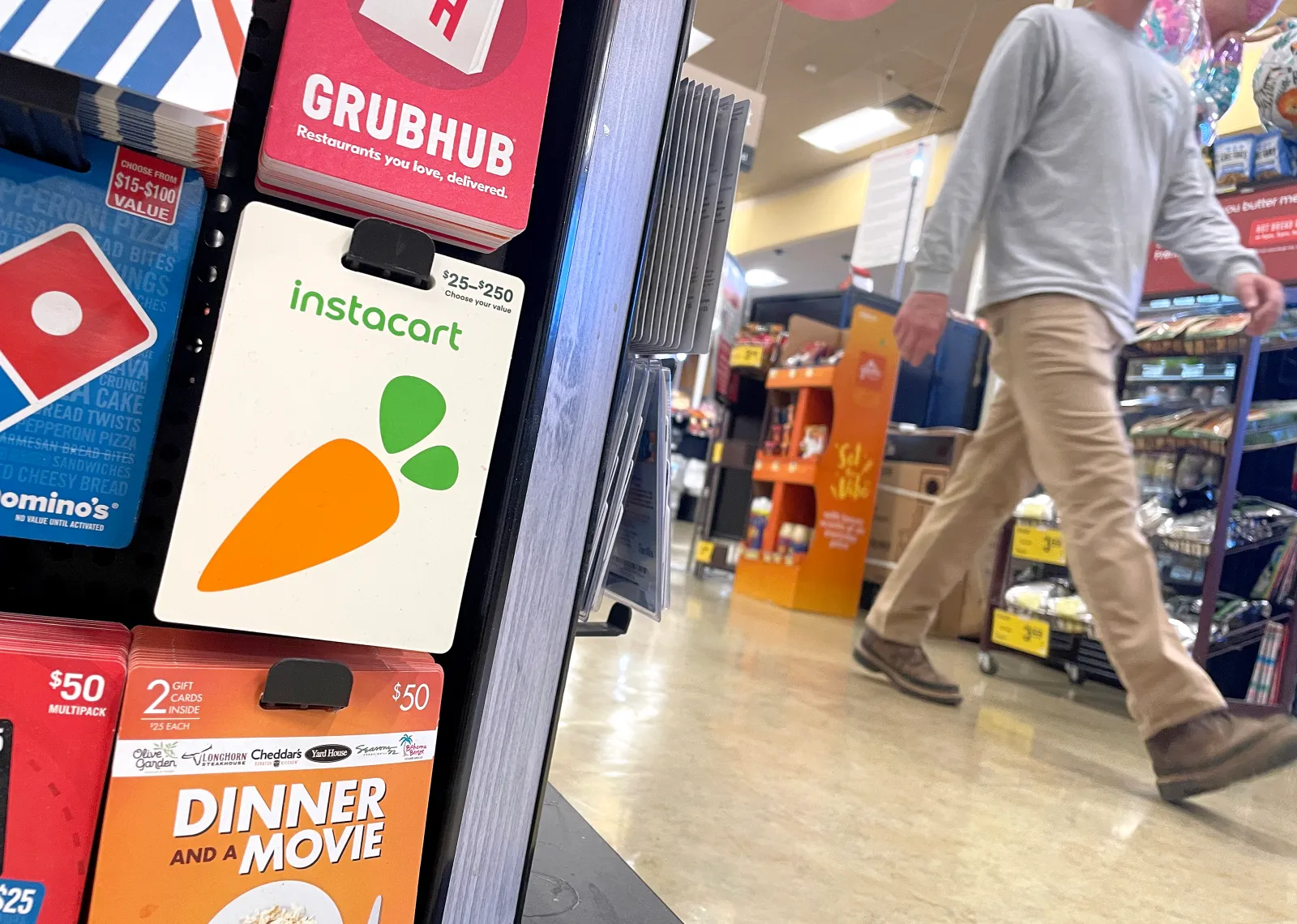 Instacart gift cards are displayed at a Safeway store on August 28, 2023, in San Anselmo, California.
newsweek.com
Instacart has agreed to a $5 million settlement with the Department of Justice over hiring practices tied to the green card process, a year after Newsweek reported that the grocery-delivery company advertised jobs linked to H-1B visa holders in ways American workers were unlikely to see. The DOJ's Civil Rights Division and the Equal Employment Opportunity Commission said they uncovered evidence the practices "intentionally discriminated" against U.S. workers by preferring candidates on temporary visas. The case turns on the PERM process, the Labor Department procedure through which an employer sponsors a foreign worker for permanent residency. Before a green card is granted, the employer must advertise the role — in at least two major Sunday newspapers, on a state workforce agency site, internally, and through two other methods of the company's choice — and attest that no qualified American applicant exists. Instacart, according to the allegations, accepted only mailed paper applications for the PERM-linked roles while accepting electronic applications for its other jobs, and the mail-in applications from Americans were not reviewed in a timely manner. OpenAI agreed to a similar settlement in August after the DOJ found its postings were hard for U.S. workers to find. A website called Jobs.Now had been collecting and republishing the ads, and says Instacart threatened legal action over the use of its name. The Trump administration has moved against the process more broadly: Vice President JD Vance and other officials recently announced that Microsoft, Adobe and other employers had their access to PERM suspended over alleged fraud. The settlement gives the tech industry's familiar "labor shortage" claim its first concrete price tag — $5 million, plus the cost of paper applications nobody read. EEOC Chair Andrea Lucas said discrimination against workers "based on their American national origin has no place in our economy."