
Iran rejects reports Hormuz deal is close as Qatar and Pakistan float compromise proposal
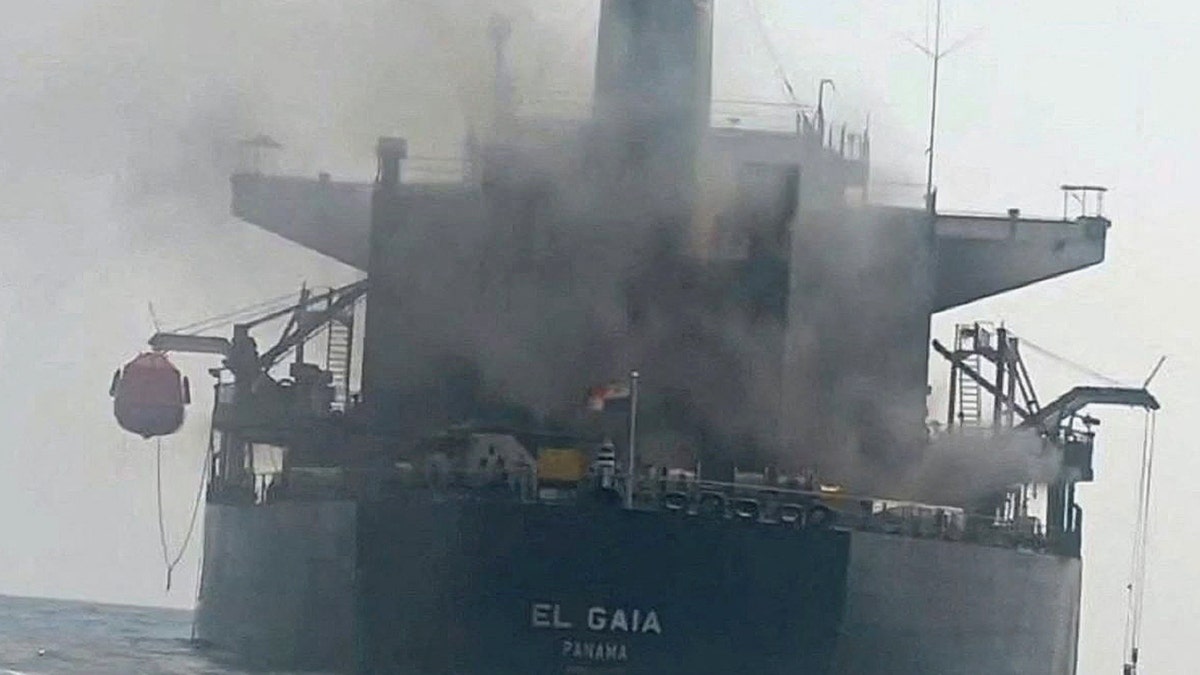
Two tankers ablaze off Omani coast, IMO says no safe route exists through the strait
Images
 zerohedge.com
 zerohedge.com
 Illustrative file image, via Free Malaysia Today
zerohedge.com
 UN maritime chief warns Strait of Hormuz mine threat persists
foxnews.com
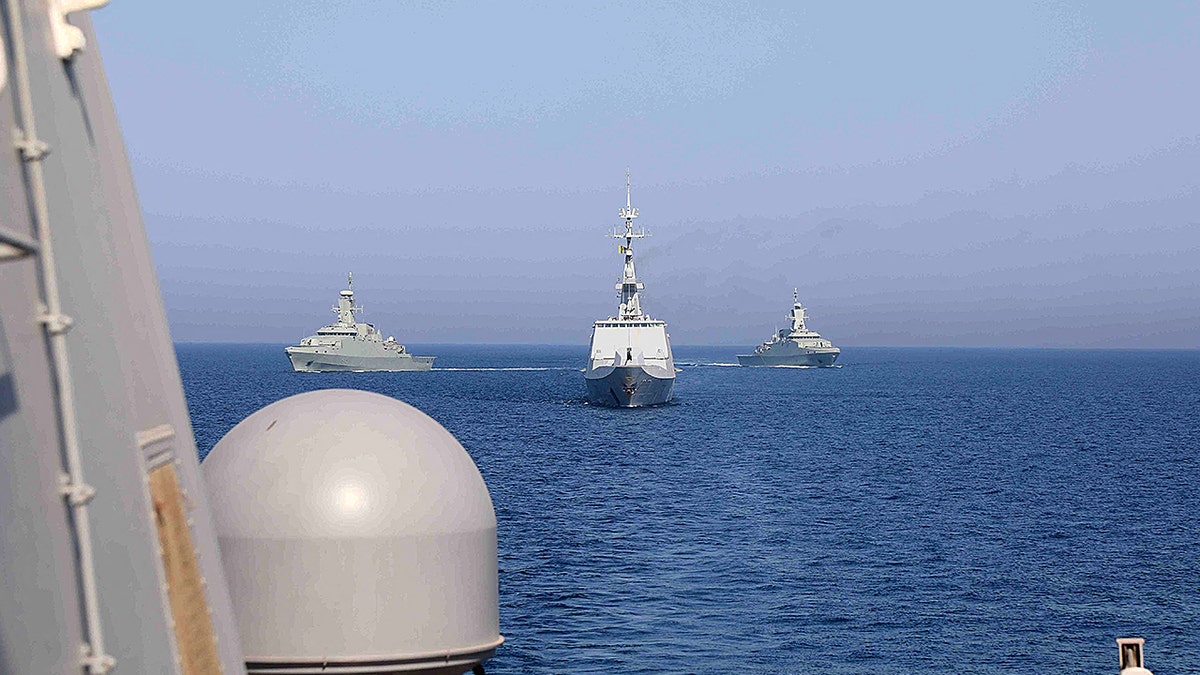 Maritime security mission
foxnews.com
 foxnews.com
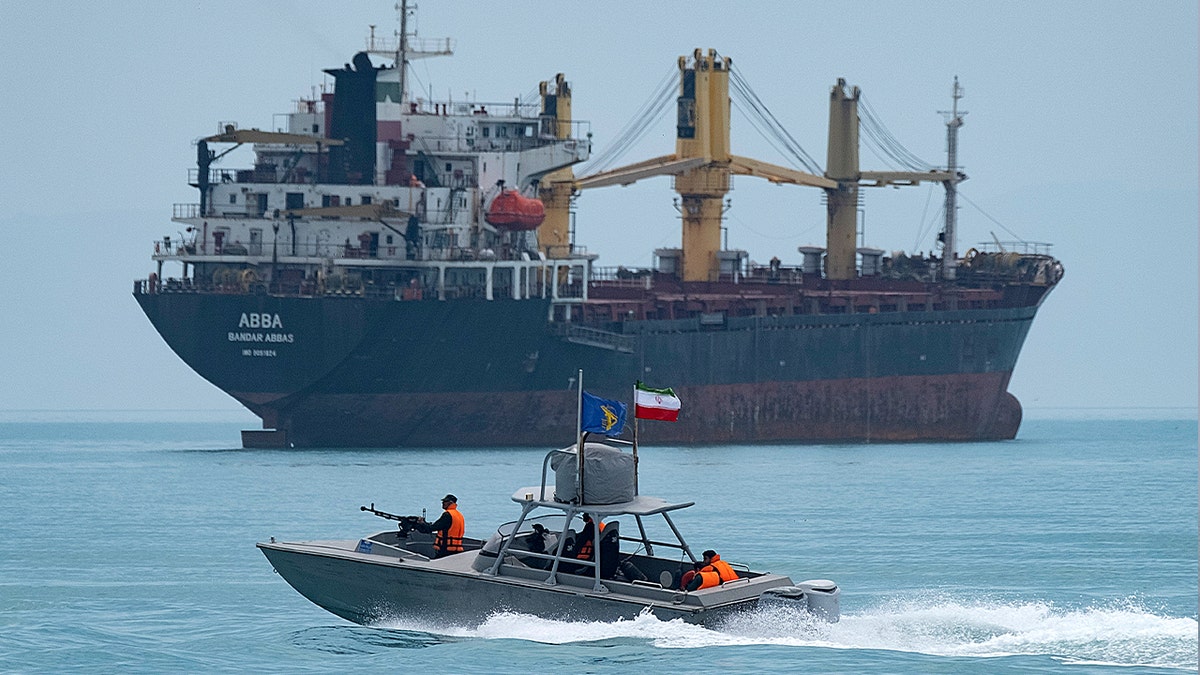 IRGC speedboat, Hormuz
foxnews.com
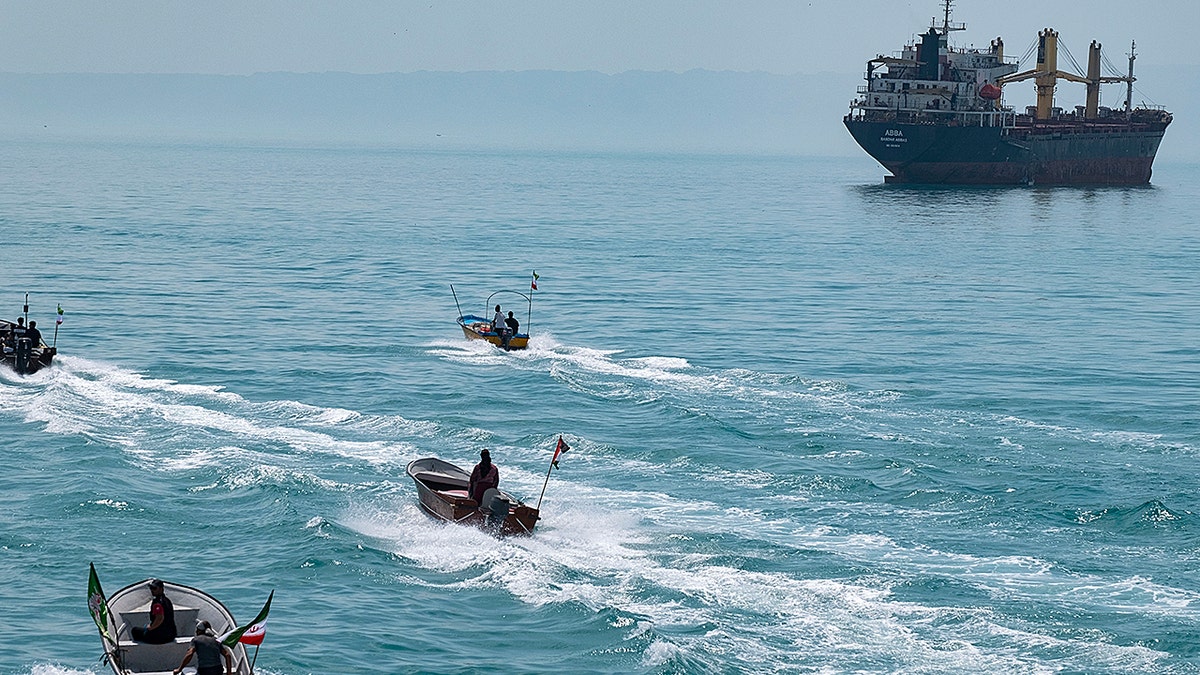 Basij paramilitary force, Hormuz
foxnews.com
Two oil tankers caught fire in the Strait of Hormuz on Tuesday after striking naval mines, according to Iran's Revolutionary Guard Corps, which celebrated the attack on its Sepah News website as the work of 'the brave sailors of the IRGC Navy.' The same day, Tehran publicly rejected reports that a deal to end the war is close, even as Qatar and Pakistan presented a compromise proposal that reportedly meets the demands of both the American and Iranian sides.
The contradiction is the story. On Tuesday morning, headlines about an imminent agreement sent oil prices tumbling; by the afternoon, Iran's denials — and the burning tankers — pushed Brent back toward five-month highs just below $110 a barrel. Iranian Foreign Minister Abbas Araqchi insisted on Sunday that Tehran's offer to reopen the strait within seven days remains on the table, while adding, pointedly, that there is no 'honesty on the US part.' His seven conditions, first presented in mid-September, include lifting the maritime blockade, restoring frozen assets, ending sanctions on Iranian oil exports, withdrawing US forces from around Iran's borders and paying compensation for war damage.
The International Maritime Organization has meanwhile dismantled any pretence that shipping can simply route around the problem. Secretary-General Arsenio Dominguez said the IMO-approved traffic separation scheme, adopted in 1968, still contains mines and cannot be verified as clear while the conflict continues. Iran's alternative corridor through its own territorial waters — complete with tolls and safety fees administered by the IRGC — has no standing in international law, and Washington rejects the framework outright. Dominguez was blunt: there is one approved route, it is not safe, and the IMO cannot guarantee any vessel transiting it will not be hit.
Iranian officials are not hiding the leverage. First Vice-President Mohammad Reza Aref told state media that Iran has 'no choice' but to assert control over Hormuz, and an IRGC spokesperson threatened this week to target undersea communication cables, noting that 'all of the world's internet and commercial data depend on them.'
The timing is difficult to ignore. American midterms are weeks away, each day of burning tankers and $110 oil costs the White House politically, and Tehran has demonstrated it can switch the pressure on and off with a press statement. Rubio's observation that Hormuz traffic is nearly back to pre-war levels lasted less than a day before the next mines detonated.