
Denmark exports donor sperm to more than 100 countries
Private banks outgrew the public system by recruiting anonymous donors in university cities, the new hurdle is the one thing the catalogues never listed — a name
Images
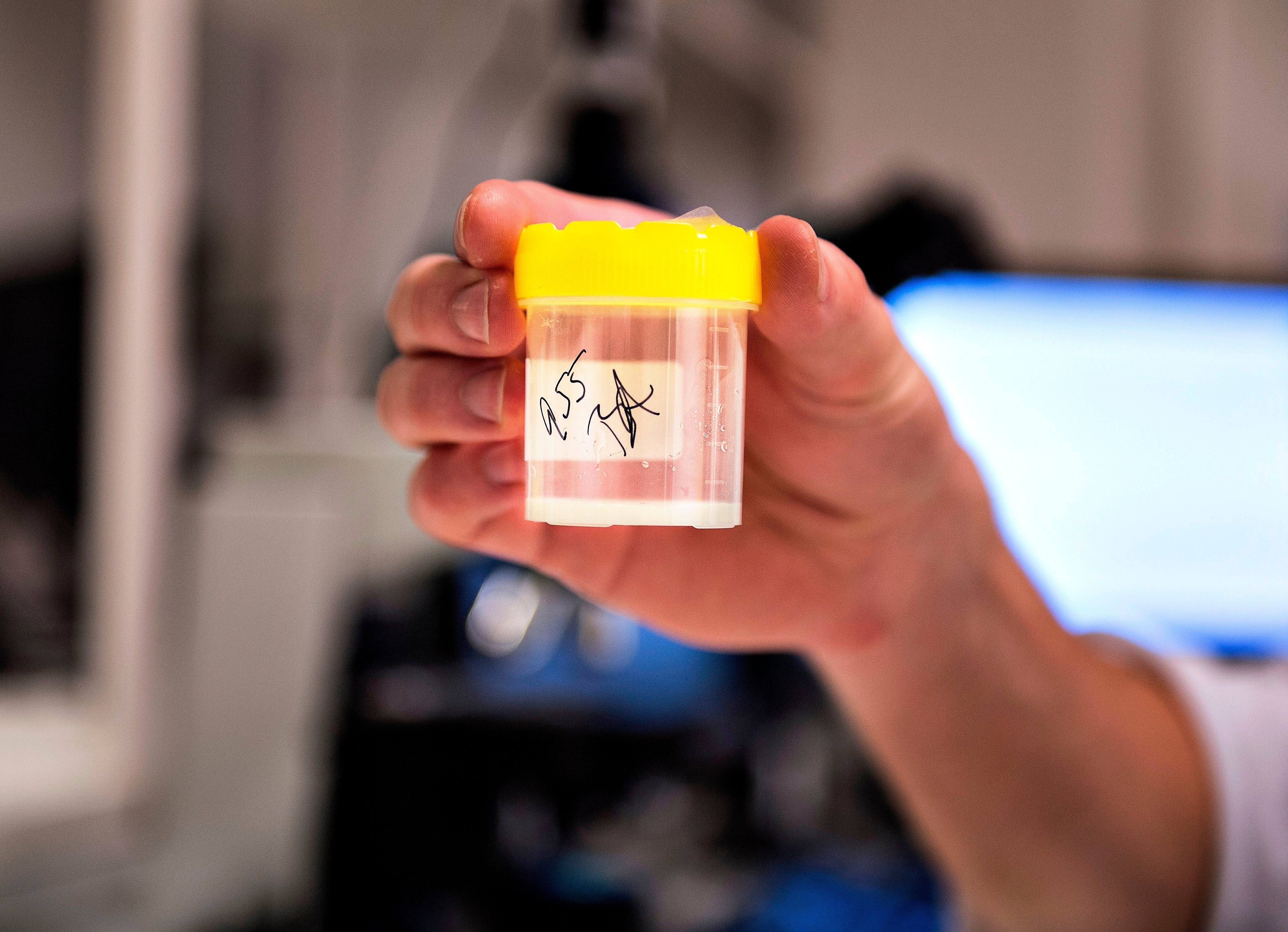 By the 1970s, Denmark had established a public sperm bank supplying clinics across Denmark, Norway and Iceland (AFP via Getty Images)
AFP via Getty Images
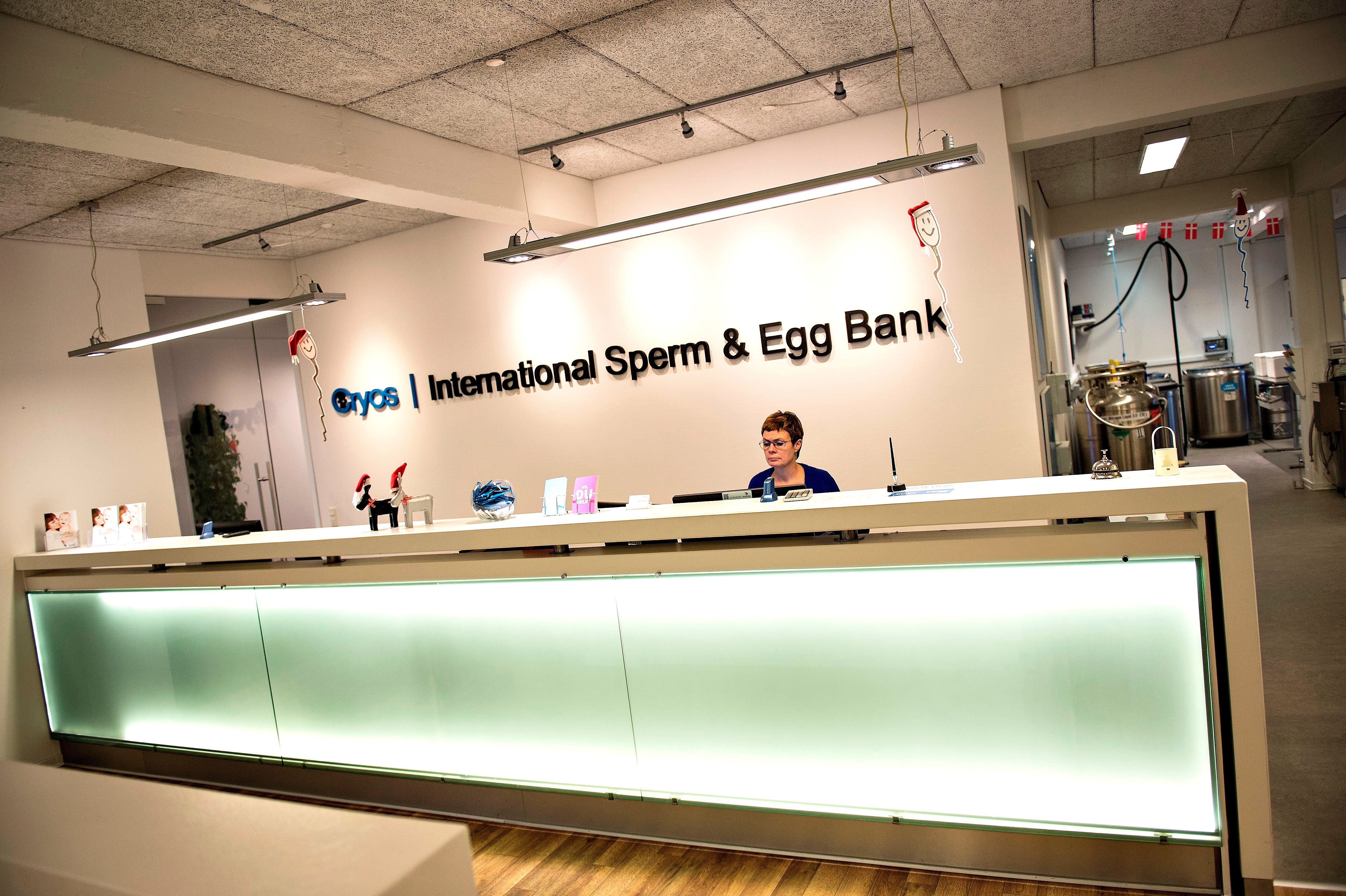 Should Denmark decide to ban donor anonymity, the repercussions could extend well beyond the country’s borders (AFP via Getty Images)
AFP via Getty Images
Denmark exports donor sperm to more than 100 countries and, apart from the United States, is the only country that both covers its own demand through private sperm banks and exports abroad. In Belgium and the Netherlands, an estimated 60% of children born through sperm donation were conceived with Danish sperm. At home, roughly one in every 100 children is born using donor sperm, according to Stine Willum Adrian, a sociology professor at the University of Tromsø who has traced how the country came to be considered the sperm capital of the world.
The enabling technology arrived in the 1950s. Freezing allowed sperm to be stored, transported and screened for infections after donation, which made the process safer — and, more consequentially, scalable. A frozen catalogue can present donors by height, eye colour and education and ship to whichever jurisdiction permits the purchase. A public sperm bank existed by the 1970s and supplied clinics in Denmark, Norway and Iceland, but scale arrived with the private fertility clinics that spread alongside IVF in the 1980s and 1990s, outside the public system. Cryos International, backed by private capital and recruiting donors in university cities, grew into what it describes as the world's largest sperm bank, supplying public clinics, private clinics and export customers alike.
The customer base then reshaped the industry. Around 60% of Cryos's recipients are single women and 35% are in same-sex relationships — demand that many countries still restrict by law. Until 2007, doctors in Denmark could not treat women without male partners; midwives were not bound by the same rules. The midwife Nina Stork built an insemination clinic on that legal gap, and it became a destination for single women and same-sex couples from across Europe.
The model rests on donors who ask little in return, and on rules that let them stay unnamed. When the UK and Norway switched in 2005 from allowing only anonymous donors to allowing only identified ones, Danish banks adapted by recruiting both kinds and selling into whichever regime each market permitted. That adaptation is the industry's history — and its exposure. Rules on anonymity, eligibility and export can change quickly between jurisdictions, and every shift lands on the anonymous catalogue the business was built on.
The catalogues were assembled from anonymous men, selected by height, eye colour and education. The new hurdle is the one thing they never listed: a name.