
Ryanair chief predicts up to 20 percent fare hikes in Europe for 2027
Iran war doubles jet fuel while hedges expire, Belgian aviation tax rise already cuts a million seats
Images
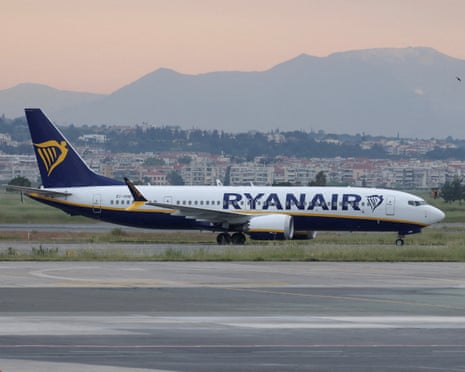 Ryanair and many other European airlines had hedged their jet fuel requirements for 2026, O’Leary said. Photograph: Alexandros Avramidis/Reuters
theguardian.com
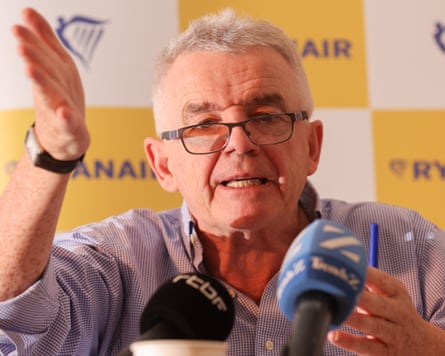 During his visit to Brussels, O’Leary announced he was cutting 20 of Ryanair’s routes and more than one million seats from Belgium from the airline’s winter schedule. Photograph: Olivier Hoslet/EPA
theguardian.com
European air fares could rise by as much as 20 percent in 2027, Ryanair chief executive Michael O'Leary predicted at a news conference in Brussels, attributing the increase to jet fuel prices pushed higher by the war on Iran — and warning that most carriers have no protection left once this year's hedges expire.
"You're going to see the biggest increase in air fares, I would say, in history in Europe for the next 12 months," O'Leary said. Ryanair, Europe's largest airline, is 85 percent unhedged for next year, and most other European carriers are in a similar position, according to the chief executive. The airline's 2027 hedging contract covers just 15 percent of its fuel costs at $85 a barrel — while spot rates currently hover at roughly double that level.
The industry body IATA has predicted jet fuel will average $152 a barrel across 2026, against $90 in 2025, a 70 percent rise that slashes airline profits across the board. Ryanair had hedged 80 percent of its 2026 requirements at $67 a barrel when the Iran conflict began in late February, insulating the airline for now. Few carriers have significant hedging in place beyond April 2027, and O'Leary expects the squeeze to force bankruptcies and takeovers.
The cheap-flight era, in other words, was never a gift but a construction — built on inexpensive jet fuel, and it priced itself accordingly. When the input costs double, the ticket tells passengers what their travel actually costs. EasyJet reported a £105 million annual rise in fuel costs in July and announced in October it was cutting 700,000 seats from its winter schedule to save fuel.
O'Leary's Brussels visit also served a domestic warning: Ryanair is cutting 20 routes and more than a million seats from Belgium this winter, after the Belgian federal government raised its aviation tax from €2 to €7 in January. A levy meant to price the externalities of flying instead prices the routes out of the country entirely — and the passengers with them.
Passenger surveys suggest travellers are braced for higher fares and prepared to spend more, but O'Leary conceded that airlines do not know how long consumers will be able to keep affording it. The honest forecast is unusual for an industry leader — no green fee framing, no sustainability surcharge, just the arithmetic of a barrel of fuel.
Ryanair is 85 percent unhedged for next year, and the spot price is double its hedge.