
Museum reconstructs face of man dead 2 000 years on Rome's Scottish frontier
Skull from Inveresk reveals southern-born Briton with a ruined arm and post-mortem decapitation, exhibition opens November 14 in Edinburgh
Images
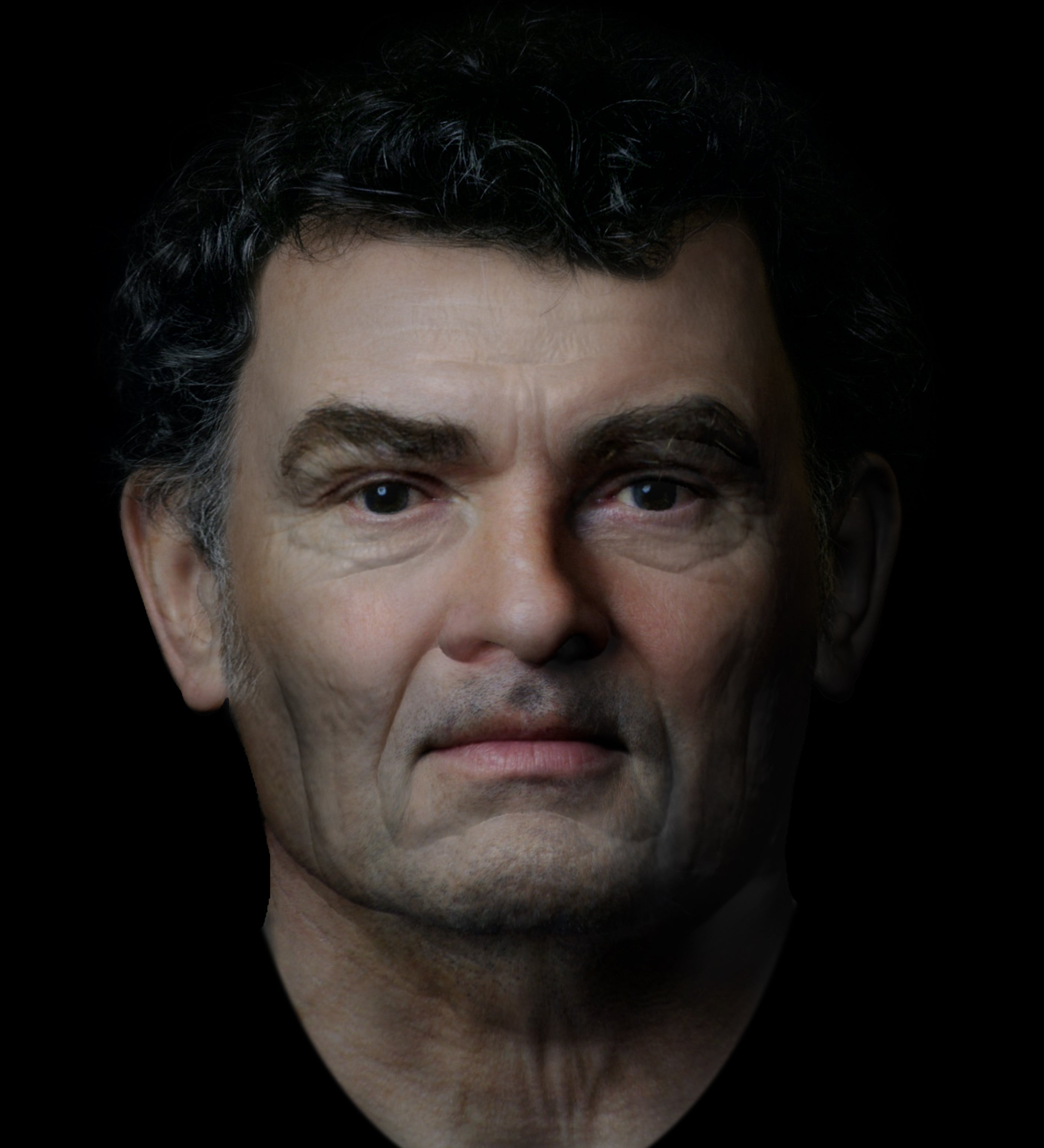 The facial reconstruction of the man from Inveresk (PA)
independent.co.uk
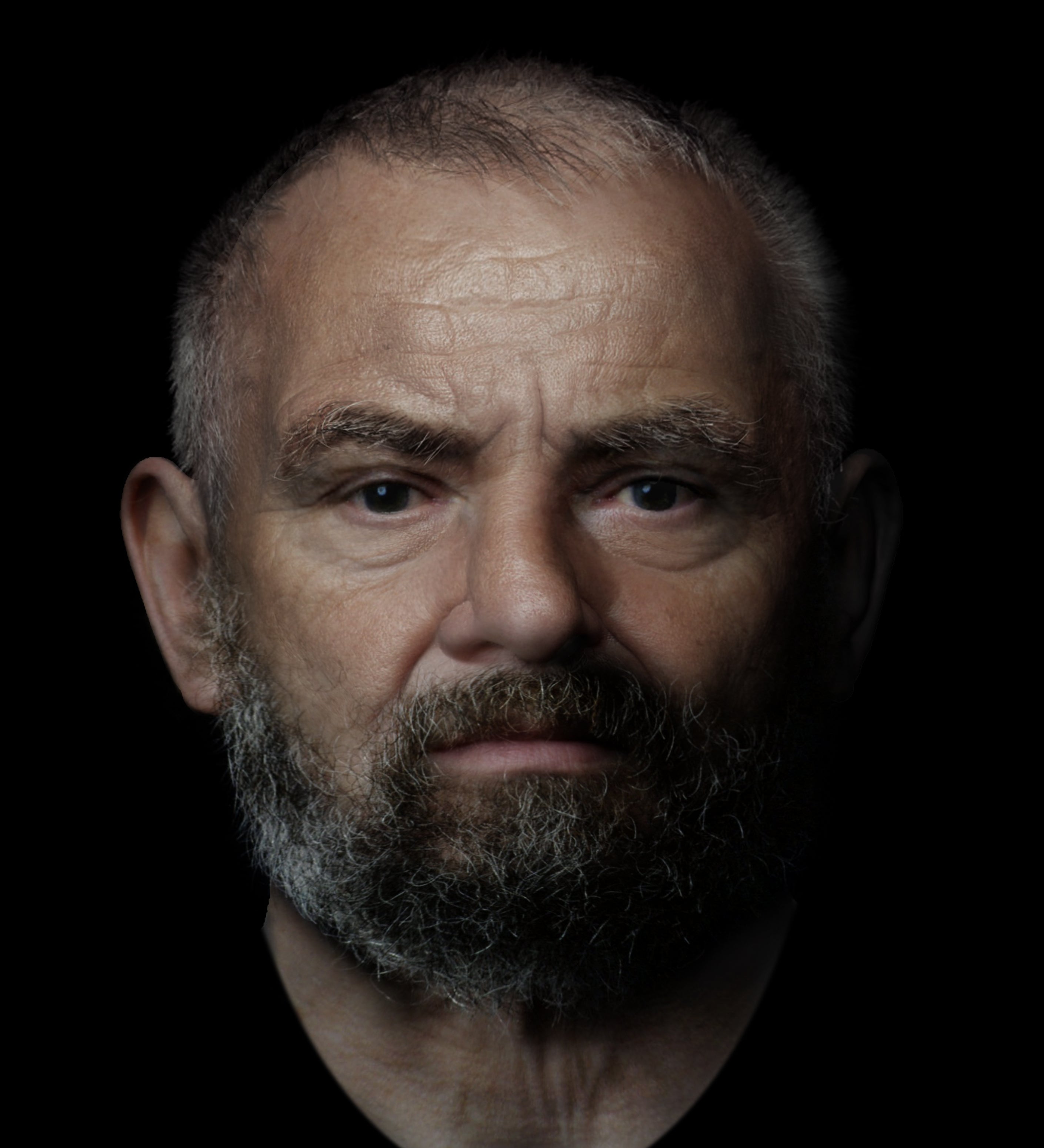 The man's skull will be displayed alongside the digital facial reconstruction in the exhibition (PA)
independent.co.uk
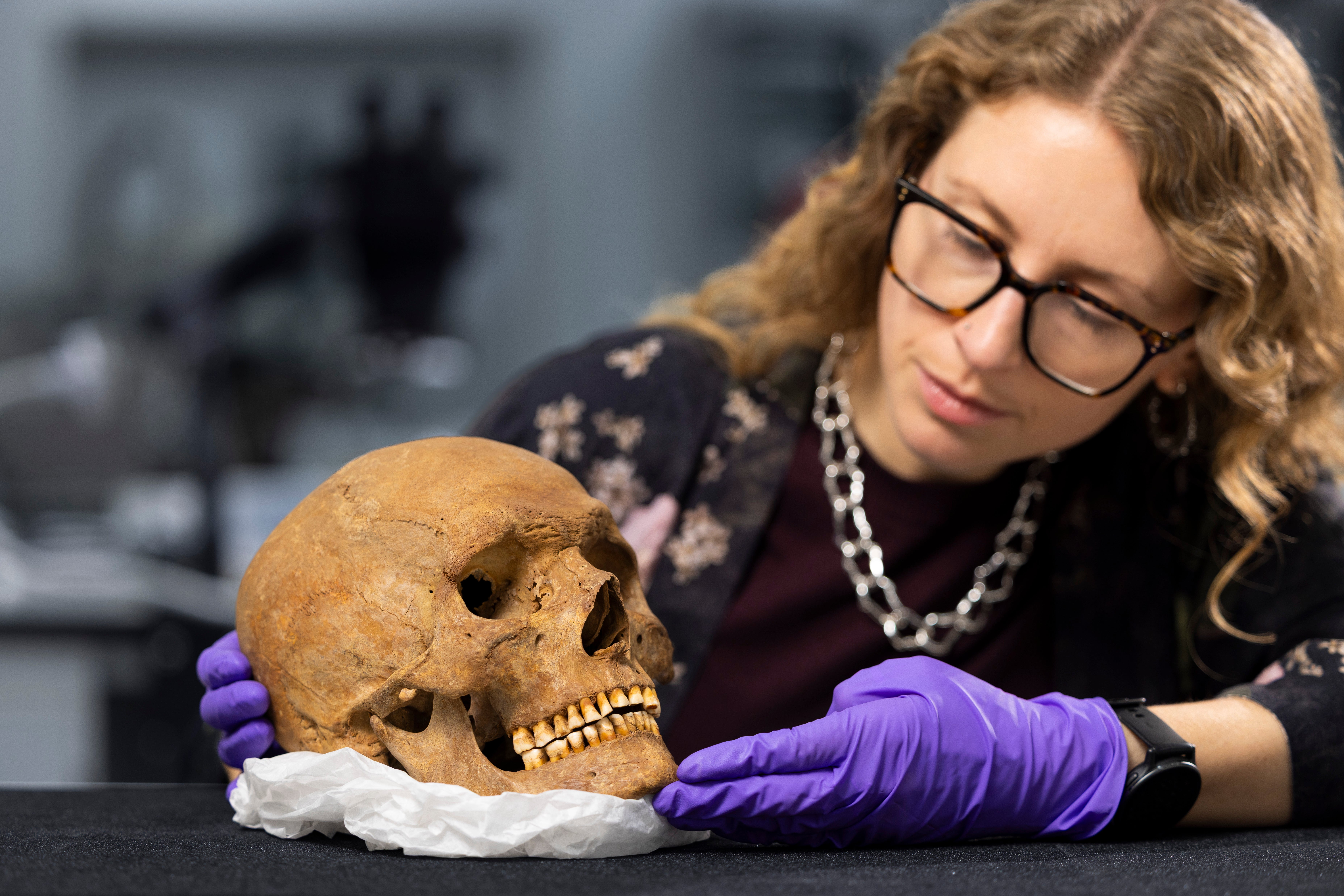 Dr Jess Thompson examining the skull of a man from Roman Scotland (PA)
independent.co.uk
 standard.co.uk
 standard.co.uk
National Museums Scotland has unveiled a digital facial reconstruction of a man who died on the Roman frontier in Scotland almost 2,000 years ago, built from a skull recovered near the Roman fort at Inveresk, outside Edinburgh. The skull and the reconstruction will go on display together in the exhibition "Roman Scotland: Life On The Edge Of Empire", opening at the National Museum of Scotland in Edinburgh on November 14 and running until April 18, 2027.
The science behind the portrait reads like a biography assembled from bone. The man was likely in his early 50s when he died between AD 140 and 165. Ancient DNA research — carried out by teams at the University of York's Department of Archaeology and Harvard Medical School, combined with earlier isotopic analysis led by scholars at Durham University — indicates he was born in southern Britain and had travelled hundreds of miles to the coast of the Firth of Forth. His skeleton records a hard life: a broken nose that healed, and limited use of his right arm caused by extensive bone growth around the elbow joint, probably the result of septic arthritis. He could not have swung a sword, and so was not a soldier at the time of his death.
The burials around the fort are rarer still. Roman-period burials in Scotland are seldom discovered, and four of the six adult men buried at Inveresk — including the reconstructed man — were decapitated after death. These are among the earliest known examples of post-mortem decapitation in Britain and the first recorded in Scotland. The reasons remain unclear: supernatural beliefs surrounding the manner of death, or a form of punishment, are the working hypotheses.
Dr Fraser Hunter, principal curator of prehistory and Roman archaeology at NMS, concedes the limits of the exercise: "We cannot know how exactly he looked, but we think his family and friends would have spotted the likeness." Dr Jess Thompson, curator of osteoarchaeology, notes that the interdisciplinary approach — osteology, isotopes, ancient DNA — lets researchers trace where these men came from, what they were doing on the frontier and what became of them.
The reconstruction itself, by Dr Chris Rynn, unites the anatomical data with artistic convention: a face assembled from measurements, muscle-attachment markers and population averages, presented as a portrait of a specific person. What the bones actually support is a southern-born migrant with a crippled arm, buried headless at the edge of an empire, now wearing a face chosen for him by a museum.