
AI predicts cancer survival from a single patient selfie
Mass General Brigham model trained on 40 million faces reads creases and under-eye shadows, patients who look five years older face a fifth higher death risk
Images
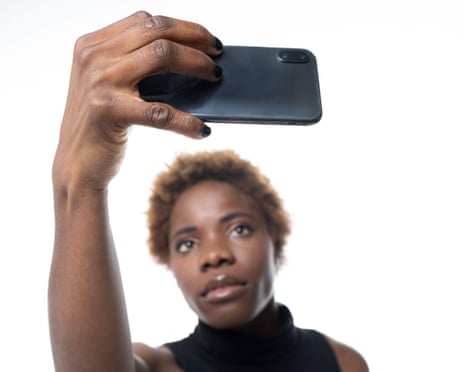 The study is one of the most comprehensive demonstrations yet of how AI analysis of a selfie could help to assess a patient’s health and guide their medical care. Photograph: Addictive Stock Creatives/Alamy
theguardian.com
An AI system can estimate a cancer patient's chances of survival from a single ordinary photograph of their face, according to a study published in Lancet Digital Health by researchers at Mass General Brigham, the nonprofit academic healthcare system in Massachusetts. The model was trained on more than 40 million facial photographs spanning a range of ethnicities and ages.
The team built two complementary tools from the same foundation model. FAHR-FaceAge estimates biological age — the age a person looks rather than their chronological age — and predicts cancer survival through it. FAHR-FaceSurvival predicts survival directly from the photograph. Though derived from the same model, the two algorithms captured different and complementary information, and each relied on distinct regions of the face: FAHR-FaceAge focused on the creases running from the sides of the nose to the corners of the mouth, the forehead above the eye sockets and the temples, while FAHR-FaceSurvival evaluated the area below the eyes and around the nasal bridge.
The predictive signal was not subtle. Among US cancer patients treated with radiotherapy, those the model judged to look five or more years older than their actual age had a 21 percent higher risk of dying during the average four-year follow-up than the rest of the group. Those who looked five or more years younger had a 17 percent lower risk. "To our knowledge, this is the first demonstration that an AI model can directly predict cancer survival from a simple photograph," said Hugo Aerts, co-senior author of the study. The researchers suggest the tool could help predict risk of death or complications after major surgery or other cancer treatments, since biological age estimates appear closely tied to physical resilience.
What the study does not establish is how much the face adds once clinicians have charted age, sex and performance status — the variables oncologists already record. Face-based models have a record of rediscovering known prognostic factors and presenting them as a new biomarker. That gap matters less than it should, because a selfie is the cheapest medical data in existence: it requires no clinic, no phlebotomist and, in the deployments now imaginable, no patient who understands what the photograph is being used for. Triage systems and insurers get a risk score for the cost of a camera click.
The study's authors frame their work as scalable biomarker development. A foundation model that learns "a general representation of the face" can be adapted, Aerts notes, to distinct health outcomes without retraining from scratch. The face under examination volunteered nothing.