
Expedition rules out strongest new lead in Amelia Earhart search
Satellite anomaly on Nikumaroro turns out to be trees with a carbonate sheen, donors thanked as team vows to keep searching
Images
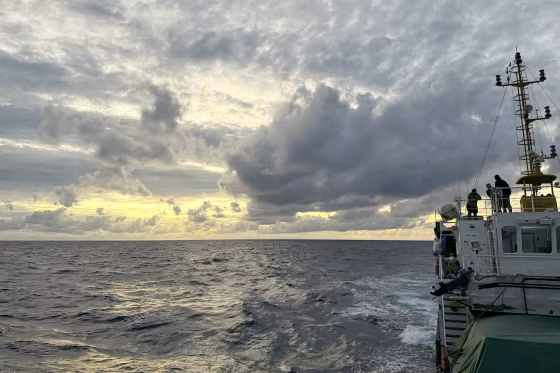 A wide landscape view of the open ocean with a ship in the side of the frame.
nbcnews.com
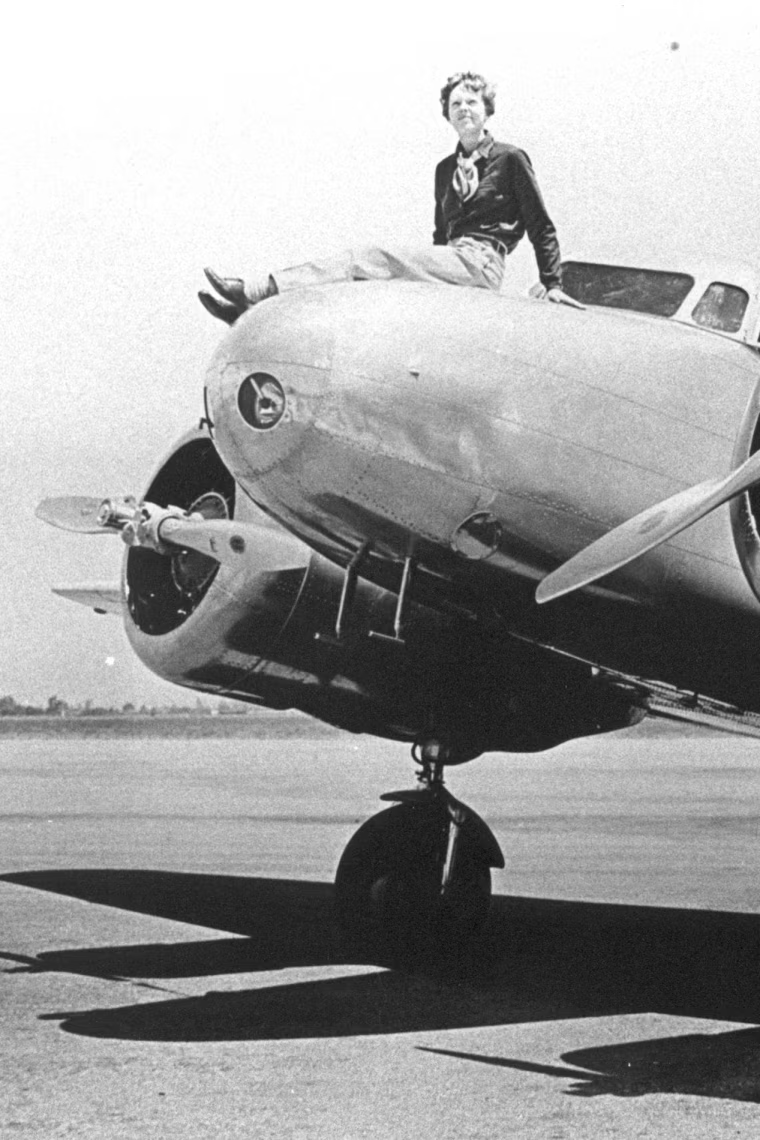 Amelia Earhart and her navigator, Fred Noonan, disappeared in their Lockheed Electra 10-E while on a journey around the world.Purdue University
nbcnews.com
 newsweek.com
 FILE - In this June 26, 1928, file photo, American aviatrix Amelia Earhart poses with flowers as she arrives in Southampton, England, Britain, after her transatlantic flight on the "Friendship" from Burry Point, Wales. Robert Ballard, who discovered the Titanic, and a National Geographic expedition will search for Earhart's plane in August 2019 near a Pacific Ocean atoll named Nikumaroro, part of the Phoenix Islands. (AP Photo, File)
newsweek.com
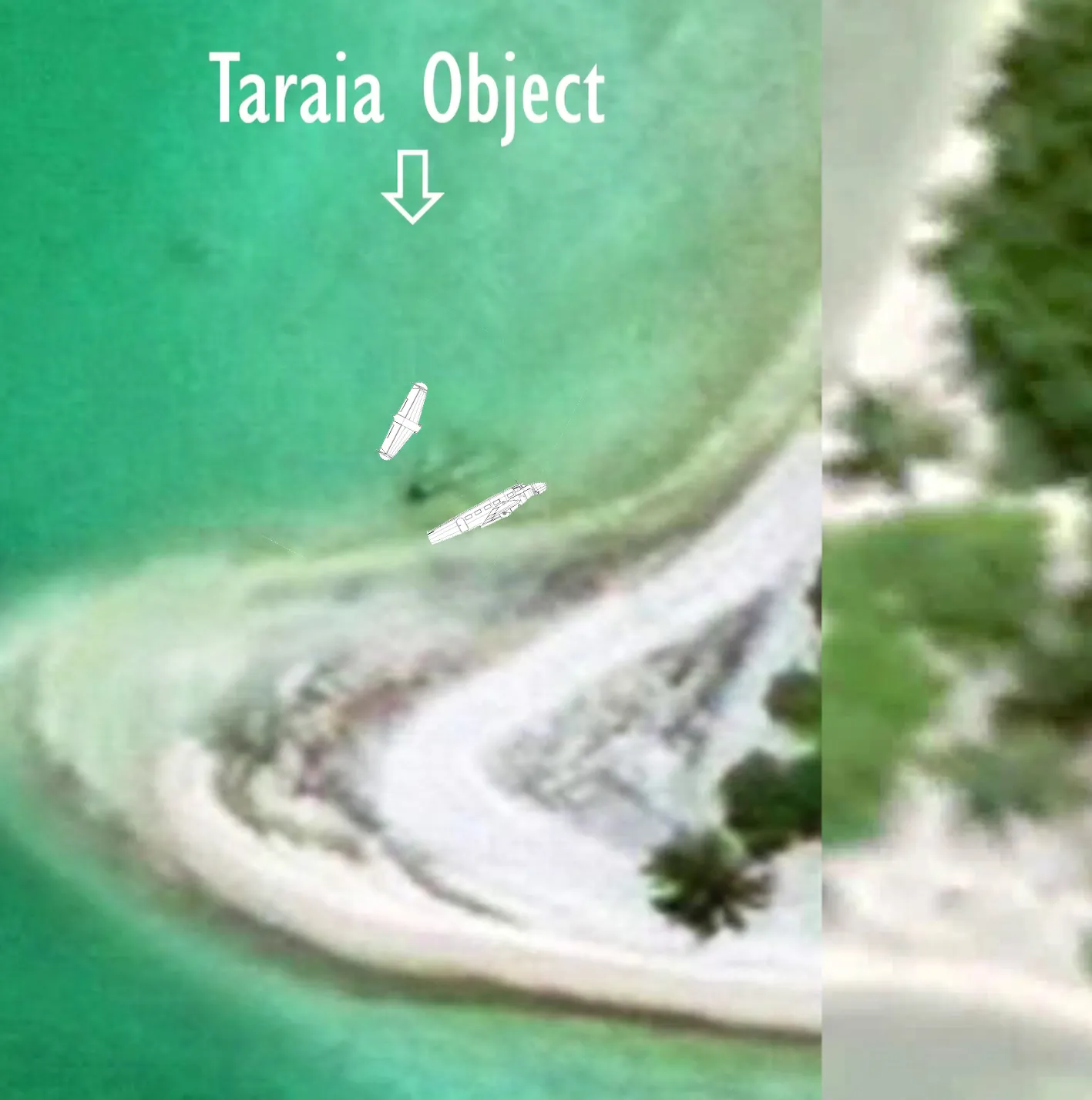 Satellite image showing anomaly known as the Taraia Object
newsweek.com
The expedition sent to examine the strongest new lead in the 89-year search for Amelia Earhart's missing plane has found no conclusive evidence, researchers announced Sunday. The Taraia Object — an anomaly first spotted in satellite images of the Nikumaroro atoll in 2020 — was most likely a collection of large trees deposited along a sandspit.
Researchers from the Archaeological Legacy Institute and Purdue University sailed five days from Tarawa, Kiribati, to reach the site. By the time they arrived, much of the debris had fragmented and washed away, leaving a Y-shaped segment that was a small fraction of the anomaly's original size. The reflective surface that had sustained the wreckage theory turned out to be a carbonate veneer — a layer of carbon-rich sediment, not metal. "We accomplished our goal to determine what the Taraia Object was," said Rick Pettigrew, the institute's executive director.
Earhart and her navigator Fred Noonan disappeared on July 2, 1937, on the roughly 2,550-mile flight from Lae, Papua New Guinea, to Howland Island, where the Coast Guard cutter Itasca was stationed to guide them in. Radio contact failed, an extensive Navy and Coast Guard search produced no confirmed trace, and the mystery has run ever since. Nikumaroro, then known as Gardner Island, is the centerpiece of the castaway hypothesis — that the pair landed on the atoll's reef and survived there. The expedition says its results strongly support that theory, and points to artifacts recovered on the island over the years: glass bottles from the 1930s, a woman's makeup compact and, from this trip, a steel tube about 30 inches long pulled from the lagoon, which will be studied further.
The search runs on private money. Pettigrew's statement thanked "the private donors who shared our vision and made this journey possible." Steve Schultz, Purdue's general counsel and an expedition member, said in a statement: "Amelia Earhart never gave up — she kept pushing boundaries and flying into the unknown. That same fire fuels our search. She kept flying, and we will keep searching."
Earhart and Noonan vanished eighty-nine years ago. The steel tube will be studied further.