
US drugmakers circle Gabon's sacred iboga root
Trump executive order puts ibogaine on a federal treatment pathway, Cancún clinic charges up to 19,500 dollars for a plant Gabonese eat in ritual
Images
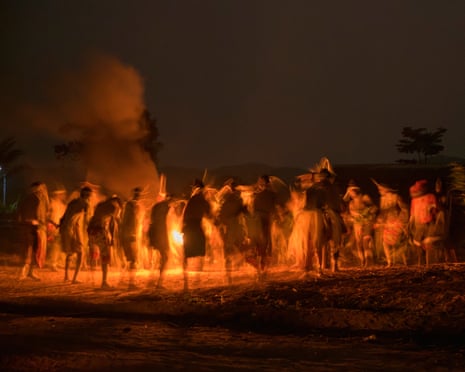 A Bwiti ceremony where participants consume the bitter iboga root bark. Photograph: Jorge Fernández/LightRocket/Getty Images
theguardian.com
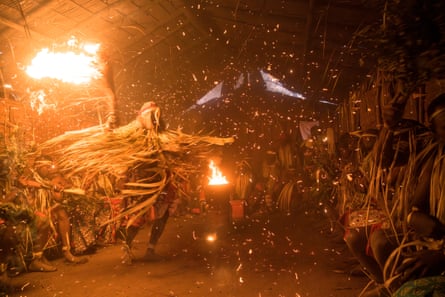 Iboga is consumed in a ritual ceremony. Photograph: Jorge Fernández/LightRocket/Getty Images
theguardian.com
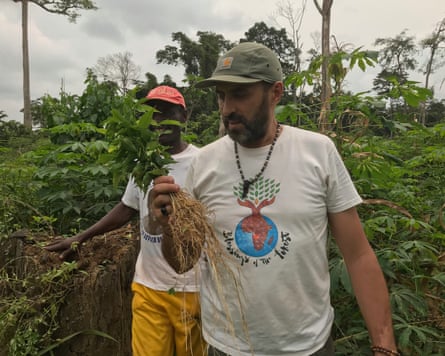 Yann Guignon, president of Blessings of the Forest, a conservation organisation. Photograph: Courtesy of Blessings of the Forest
theguardian.com
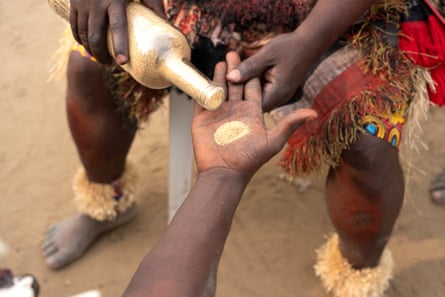 Iboga root powder. An executive order by US president Donald Trump that names ‘ibogaine compounds’ looks set to increase demand for the plant. Photograph: Molly Helfend
theguardian.com
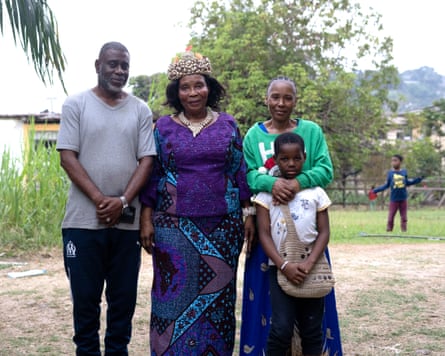 Maman Djédjé, in purple, with three other family members at her temple. Photograph: Molly Helfend
theguardian.com
US pharmaceutical companies are circling a slow-growing rainforest shrub at the centre of Gabon's religious life, drawn by ibogaine's fast-developing reputation as an addiction treatment. In April, Donald Trump signed an executive order naming "ibogaine compounds" and directing federal agencies to create a treatment pathway for eligible patients. Texas has granted $50m for a multicentre trial, and former governor Rick Perry has become the drug's most visible political champion.
Tabernanthe iboga has long been consumed as a bitter root bark in Gabonese ritual traditions. In Misoko Bwiti, a branch of the tradition concerned with healing and divination, knowledge of the plant is, in the words of practitioner Apollon Obolo, received "from generation to generation". "In Gabon, we don't talk about iboga. We talk about Bwiti. Iboga is just an element," he says.
The American demand is newer and moves faster. Early observational studies report sharp reductions in opioid withdrawal and craving after a single ibogaine treatment. A 2024 study followed 30 male US special operations veterans, most diagnosed with mild traumatic brain injury, who received ibogaine combined with magnesium; a month later, their average PTSD, depression and anxiety scores had fallen by at least 81 per cent, and disability scores had moved into the "no disability" range. The study was small, uncontrolled and included complementary therapies, so it could not establish efficacy — its own authors call for controlled trials.
The money is not waiting on them. Private clinics already sell the treatment, and what the executive order does not address is the shrub itself: slow-growing, cultivated in Gabonese villages and gathered from wild populations, often under ritual conditions. A 2012 report by Yann Guignon, president of the NGO Blessings of the Forest, records practitioners describing wild iboga as something that must be considered in relation to the whole forest — following the animals that eat its fruit.
On the outskirts of Libreville, participants at a temple eat the root bark in a ceremony called Mubindu, which lifts the burden carried by relatives and friends after a death. At Beond, a clinic in Cancún, an ibogaine programme costs up to $19,500.