
Robot dog takes fire instead of soldiers at US Army conference
Ondas quadruped walks point into buildings and tunnels while orders pile up under a $982m Lethal Unmanned Systems contract, Pentagon builds four-star command for autonomous warfare
Images
 Robot dogs, drone killers offer glimpse of rapidly changing battlefield
foxnews.com
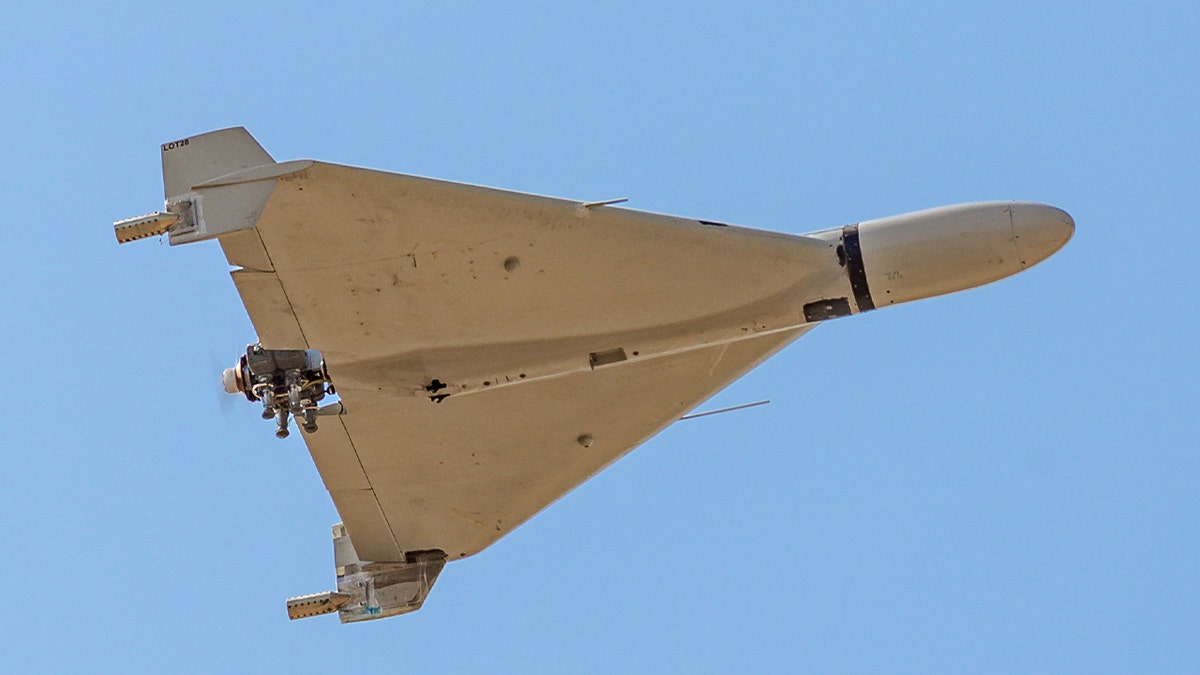 Iranian Shahed drone
foxnews.com
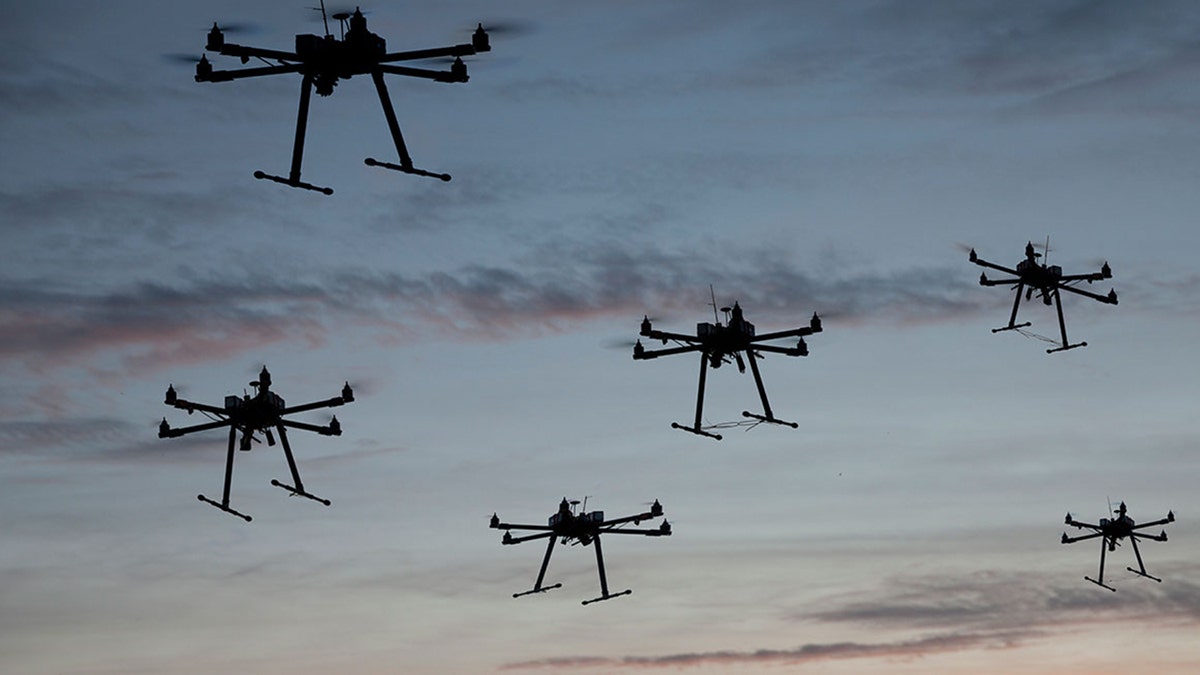 Swarm of drones in the sky.
foxnews.com
 War Secretary Pete Hegeseth repeatedly interrupted by protesters
foxnews.com
 A drone flying over a warehouse.
foxnews.com
A four-legged robot called Scout was presented at the Army's largest annual conference in Washington this week as a machine made to save soldiers' lives. Its maker, defence company Ondas, was precise about how: Scout moves ahead of troops into buildings, tunnels and other dangerous areas, sends imagery back to an operator, and — in the words of chief executive Eric Brock — "if the Scout takes fire, it's better than the soldier."
Scout shared the floor of the Association of the United States Army's annual meeting with drones, counter-drone weapons and autonomous systems. Army Under Secretary Mike Obadal said ahead of the conference that walking the hall gives "a good indication of the Army's priorities. Our priorities are reflected in what we're procuring." The procurement is being reorganised around what the hall contains: this month the Army announced a Futures and Autonomous Systems Command tasked with accelerating autonomous capabilities across aviation, armor, fires, sustainment and reconnaissance, and War Secretary Pete Hegseth told the conference the department is working toward a four-star-led Autonomous Warfare Command. At the show, the Army expanded drone and counter-drone marketplaces that let the United States and its allies buy pre-approved systems in days rather than months.
The orders follow the vocabulary. Ondas' Mistral subsidiary has secured more than $240 million in orders under the Army's $982 million Lethal Unmanned Systems contract, with a further order above $50 million announced in August. This summer Ondas acquired DZYNE Technologies in a deal valued at roughly $875 million, adding the IonStrike interceptor and the handheld Dronebuster to a portfolio it demonstrated on the floor.
Brock described the recent war with Iran as the clearest lesson in the sheer number of threats defences can be forced to confront. "It's more about mass," he said. "So we have to make these affordable, low cost, returnable systems, and we have to produce this to scale." He also described the market's shape: "It's always a cat and mouse game, and we do have to be looking down the field."
Scout sends its imagery to a human operator who watches the feed. The four-star command being built above it is named for the warfare that no longer needs one.