
Sarah Forbes Bonetta was gifted to Queen Victoria as a child
New biography traces the Yoruba orphan from King Ghezo's court to Windsor, liberated Africans were indentured to pay for the cost of their own freedom
Images
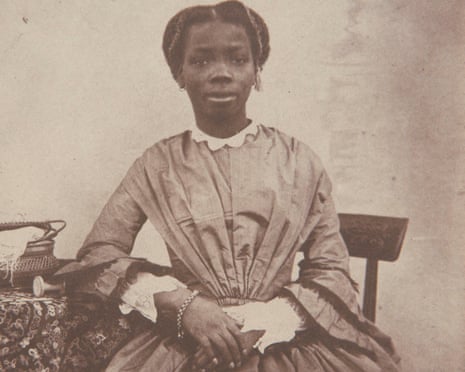 Sarah Forbes Bonetta was brought to England by Frederick Forbes, of the Royal Navy’s West Africa Squadron. Photograph: William Bambridge (1819-79)/Royal Collection Trust
theguardian.com
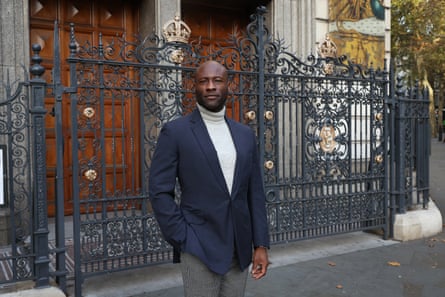 Bayo Randle, Bonetta’s great-great-grandson, is a barrister in London. Photograph: Martin Godwin/The Guardian
theguardian.com
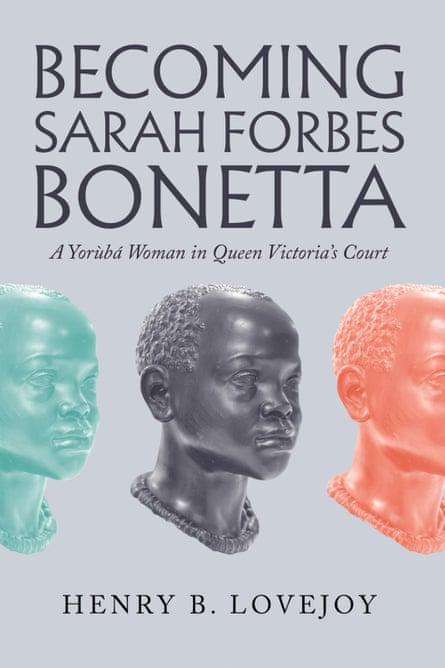 The book by Henry B Lovejoy. Photograph: supplied
theguardian.com
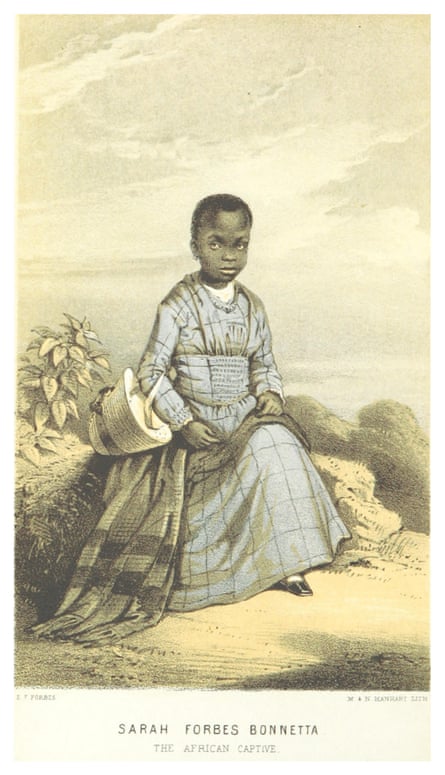 Bonetta was a famous figure in 19th-century England. Photograph: Alamy
theguardian.com
A seven-year-old Yoruba girl was presented to Queen Victoria at Windsor Castle as a "diplomatic gift" from an African king. A new biography of her, "Becoming Sarah Forbes Bonetta: A Yorùbá Woman in Queen Victoria's Court" by Prof Henry Lovejoy of the University of Colorado Boulder, has now been published, and her great-great-grandson — the British-Nigerian barrister Bayo Randle — has marked it publicly.
The life it records began in 1843 in Òkè-Òdàn in south-west Nigeria, where she was named Àìná. In 1848, aged five, she lost her family when forces of King Ghezo of Dahomey attacked the town; she was held at his court and is believed to have been taken by the agodjié, the all-female regiment later depicted in the film The Woman King. In 1850 Frederick Forbes of the Royal Navy's West Africa Squadron — the force created to enforce the abolition of the transatlantic slave trade — travelled to Dahomey to press Ghezo to sign an anti-slavery treaty. The mission failed. Forbes asked instead whether he could take the girl to England, gave her his own surname and that of his ship, the Bonetta, and petitioned, before reaching England, for her to be made "the property of the crown."
Lovejoy's finding is that she was "effectively indentured to Queen Victoria until age 19" under post-abolition legal structures. Victoria paid for her education, approved her marriage to James Pinson Labulo Davies, a merchant and philanthropist counted among west Africa's wealthiest men, and stood godmother to her eldest daughter. Bonetta's own assessment of the marriage survives: "I don't feel a particle of love for him."
She became one of the most artistically represented and widely reported African women of her time. "Sarah's imagery was used to project the idea of the queen's benevolence — at a time when 'liberated' Africans are being forced into indentures," Lovejoy told the Guardian. His research for liberatedafricans.org, developed with Kartikay Chadha, documents that after abolition more than 700,000 Africans "liberated" from enslavers were forced into indentures of up to fourteen years "to pay for the cost of their own freedom," by governments including Britain's. Bonetta sat at the elite end of that system, educated, in Lovejoy's words, "to be a missionary who would Christianise Africa."
Randle put the accounting another way: "I don't think a human being, who has agency, could be 'gifted' from one to another, but had she not been gifted to Queen Victoria, would I be here today?"