
Venezuelan women take secret abortions as Colombia threatens to close its border
Ban moves demand underground where the poorest pay most, one in three households cannot afford food
Images
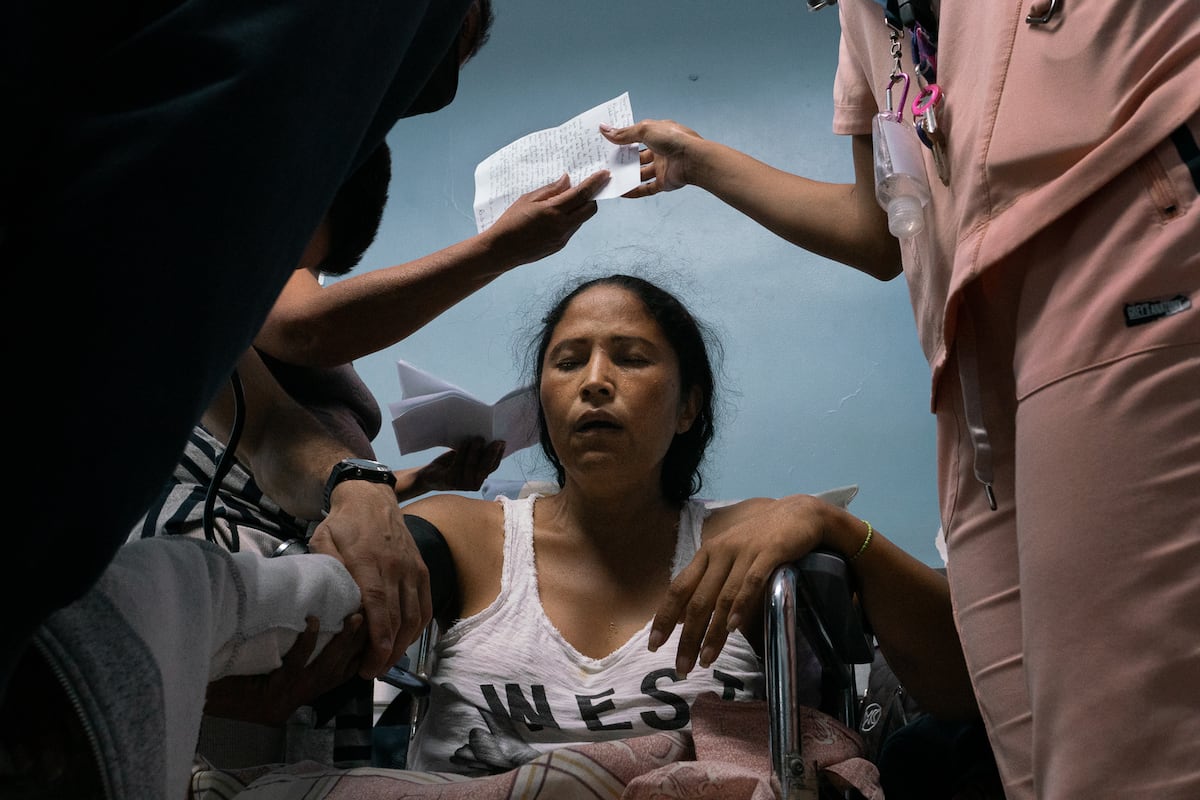 Venezuelan women continue to have secret abortions as Colombia threatens to close its borders to them
english.elpais.com
Venezuelan women continue to end pregnancies in secret while Colombia moves toward a constitutional ban that would close off their main legal escape route. El País, reporting from Caracas, documents the underground routine: misoprostol bought on the black market, taken in houses without running water.
In Venezuela, abortion carries up to two years in prison for the woman and two and a half for anyone who helps. The only legal ground is danger to the woman's life — a category one doula is currently testing with a client whose pregnancy could be fatal. In the latest survey by the Venezuelan Association for Alternative Sexual Education, 5.1 percent of 500 women polled admitted to having ended a pregnancy with medication. Wealthier women pay more than $800 at clandestine clinics; poorer ones buy pills from black-market sellers who scam them. Tatiana, 22, a dancer, told El País: 'It's not that I don't want to be a mother. It's that, right now, I can't afford diapers, baby formula, or doctors.'
Colombia, where abortion is legal to the 24th week including for migrants, has been the pressure valve. A constitutional reform now moving through the Colombian legislature would prohibit abortion outright, cutting off that option — and the demand would not disappear, only the conditions under which it is met. Meanwhile Washington's foreign aid cuts have hit Colombia-based organisations that attend to migrants' reproductive needs, removing even the informal support layer.
The politics run deeper than gynaecology. Since US forces captured Nicolás Maduro on 3 January 2026, Venezuelan law has been rewritten rapidly to exploit oil and gold; women's reproductive health has not appeared on the legislative agenda at all. The Colombian ban, whatever its domestic appeal to conservative voters, also lands as a message aimed as much at Washington and at Caracas as at clinics. Hospitals in Venezuela, overwhelmed since a double earthquake on 24 June, are in no position to absorb the complications of a larger underground market.
Nearly one in three Venezuelan households cannot cover food needs, according to the 2025 ENCOVI survey. The women crossing checkpoints with pills in their pockets have already done the arithmetic.