
Supertanker ablaze after striking mine in Strait of Hormuz
IRGC declares waterway closed while CENTCOM insists it remains open for business, 24 ships hit in two weeks as oil holds above 100 dollars
Images
 Super tanker ablaze after striking mine in Strait of Hormuz: IRGC
euronews.com
Super tanker ablaze after striking mine in Strait of Hormuz: IRGC
euronews.com
 Reuters
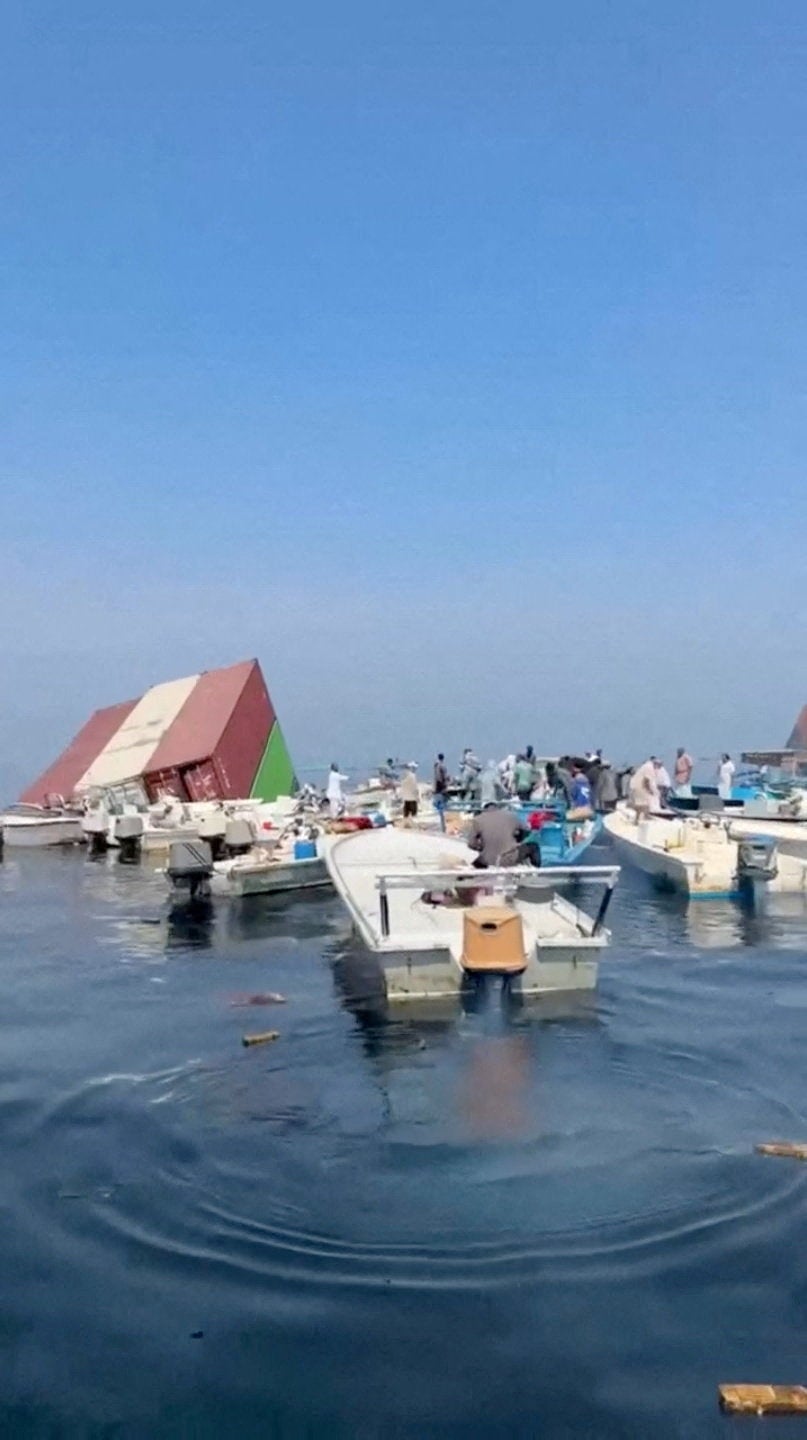 Containers float in the water after a vessel sank near the Strait of Hormuz off the coast of Oman, in this still image obtained from a social media video, released October 14, 2026. (Social media)
Social media
Containers float in the water after a vessel sank near the Strait of Hormuz off the coast of Oman, in this still image obtained from a social media video, released October 14, 2026. (Social media)
Social media
 independent.co.uk
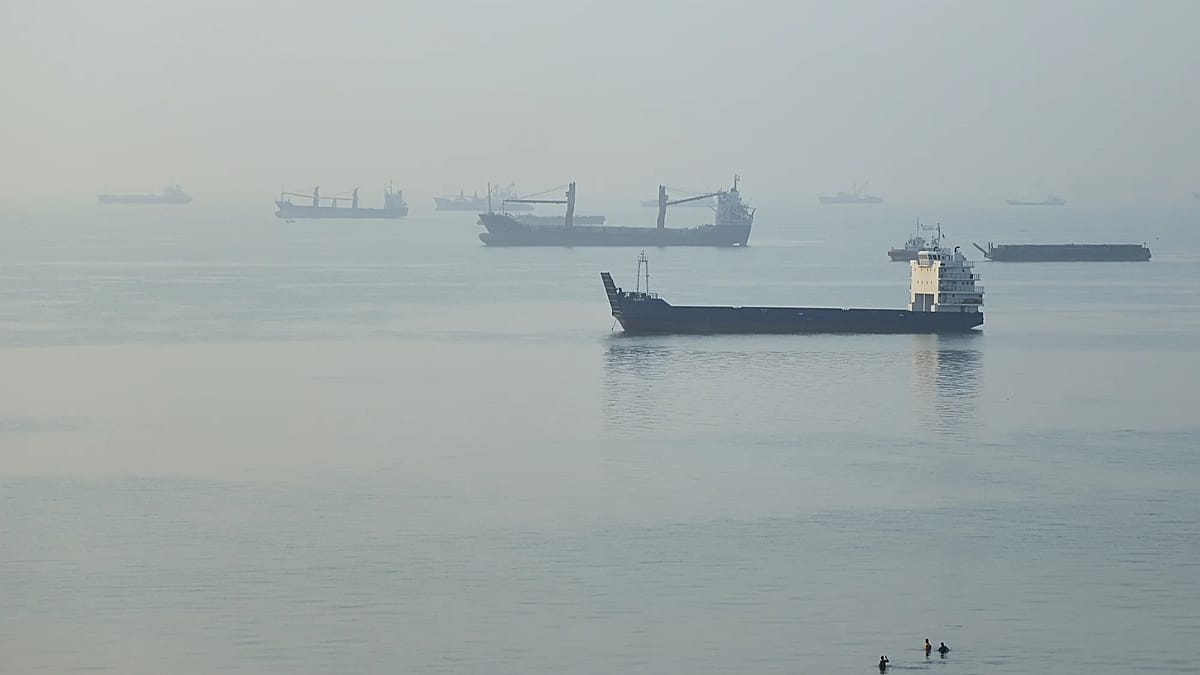
A supertanker carrying more than two million barrels of oil caught fire after striking a sea mine in the Strait of Hormuz, Iran's Revolutionary Guard Corps announced on Saturday. The IRGC navy said the tanker had switched off its positioning and radar systems and was "attempting to pass through an unauthorised route" when it was hit by a "massive explosion" and a "fierce fire." Iran's Fars news agency posted video of the vessel ablaze; exactly where the incident took place remains unclear.
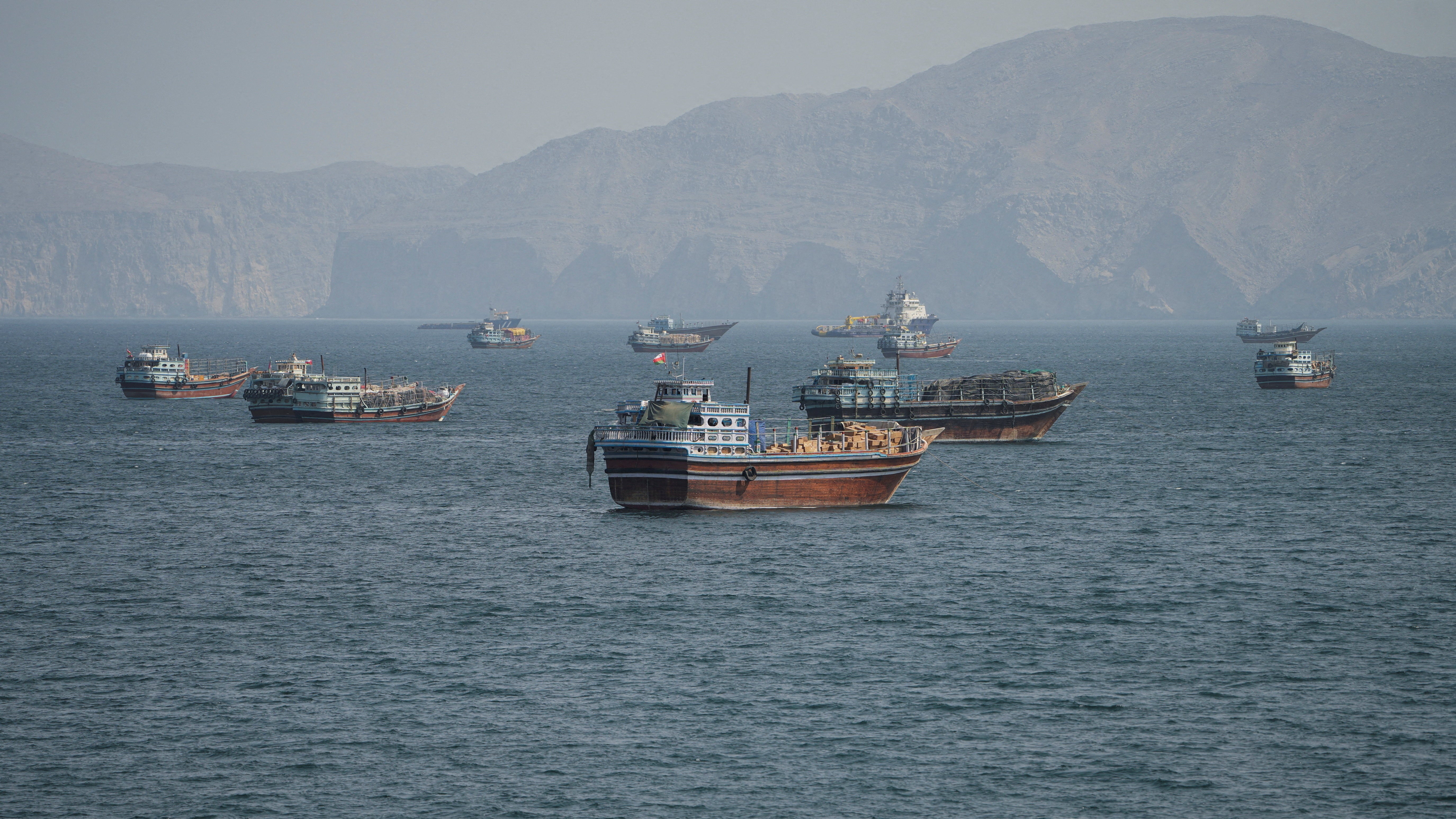
The strait carries roughly a fifth of the world's seaborne oil and gas, and it is going through its most violent stretch of the war. Analysis by the Financial Times counted 24 ships hit in the two weeks to 11 October, the most intense period of the entire conflict and nearly double the 13 struck in the first two weeks of fighting in March. Oil has held above $100 a barrel for most of the last quarter, after briefly reaching $120; on 27 February, the day before Donald Trump and Benjamin Netanyahu announced the war, Brent crude averaged $65 to $70.
The war was planned as a limited incursion that would topple the Iranian regime within a fortnight. It is now approaching its eighth month, with negotiations deadlocked. On Friday Admiral Brad Cooper, commander of US Central Command, said that "the Strait of Hormuz is controlled by the United States and our regional partners, not Iran" and that the waterway "remains open for business." The IRGC's statement on Saturday read: "The Strait of Hormuz is closed, and the consequence of defying Iranian regulations in the Strait of Hormuz is burning in the fire of trust in the terrorist US army."
The two statements describe the same stretch of water. According to Kpler, regional oil flows averaged 15.5 million barrels a day last month, their highest level since the war began, then fell to 2.9 million barrels on 11 October as strikes resumed. Neil Quilliam of Chatham House notes that the military resources needed to escort shipping, the number of vessels involved and the insurance and operating costs make current flows temporary relief rather than a durable solution. In Washington, the answer has been to lift sanctions on Russian diesel exports to pull fuel prices down before the midterm elections.
When oil first crossed $100 a barrel it made headlines worldwide. The absence of alarm now is, in the words of the analysts The Independent spoke to, the new normal.