
China proposes export controls on AI solar and biotech
Beijing borrows the West's national-security language to restrict forty technologies, both sides now tax their own industries and the question is who holds out longer
Images
 China proposes export controls on AI, solar and biopharma amid rising trade tensions
independent.co.uk
China proposes export controls on AI, solar and biopharma amid rising trade tensions
independent.co.uk
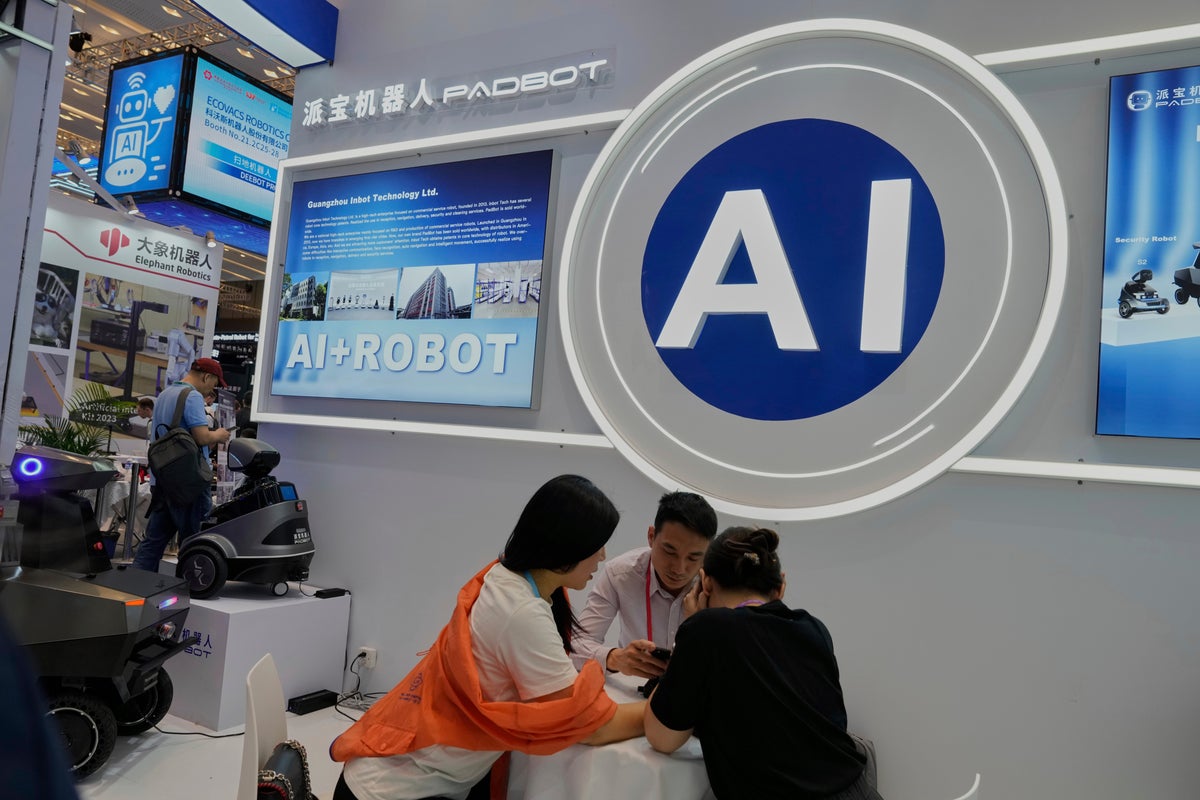 China moves to curb tech exports, including AI, citing national security risks
independent.co.uk
China moves to curb tech exports, including AI, citing national security risks
independent.co.uk
 zerohedge.com
 zerohedge.com
China's ministries of commerce and science and technology on Friday proposed adding forty technologies — spanning artificial intelligence, solar power and biopharmaceuticals — to the country's export control list, citing national security risks. The draft covers twenty-three AI technologies including large language models, intelligent agents and computing clusters, twelve solar-related technologies including polysilicon and perovskite production, and five biomedical technologies including cell and gene therapy. Public comment runs until 15 November.
The framing is borrowed wholesale from Washington. "In recent years, AI, biopharmaceutical and photovoltaic technologies have increasingly been applied in sensitive areas, prompting major economies to impose varying degrees of export controls," Beijing's statement reads — an exact mirror of the justification the United States, Europe and Japan have used for years to block China's access to advanced chips and chipmaking equipment. The commerce ministry added that the measures aim to ensure "AI remains under human control" and to reinforce "the security bottom line."
The proposal is not abstract. Exports of AI models with parameter counts of two trillion or above would be restricted — a threshold that captures the frontier of Chinese models, including Moonshot's Kimi K3 and Alibaba's Qwen 3.8-Max, though the draft names no specific systems. Open-source releases stay exempt. A separate pre-export registration requirement took effect the same day, covering technology transfers and licensing agreements with overseas entities, including transactions already underway.
The solar measures cut closest to the bone. China dominates global solar manufacturing, and the proposed controls on polysilicon and perovskite module production could complicate the US and Indian push to build domestic supply chains — both still depend on Chinese materials and equipment, as BloombergNEF analysts note. But the dependency runs both ways: as ZeroHedge reports, China's solar industry depends on high-purity quartz from Spruce Pine, North Carolina, and Trump administration trade officials could restrict those exports in retaliation. Beijing has already played this card once, with tungsten, germanium, gallium and antimony.
The mechanics of the standoff are symmetrical and unforgiving. Export controls tax a country's own exporters by cutting them off from customers; tariffs tax a country's own consumers by raising import prices. Washington has chosen to tax its chip industry's largest potential market; Beijing is now choosing to tax its solar and AI industries' largest potential customers. Each side is betting it can absorb its own levy longer than the other.
The proposal lands as Washington and Beijing make halting progress on an AI incident-notification channel, and after the Commerce Department asked Anthropic to bar foreign nationals from its most powerful models — restrictions later lifted. On Friday the ministries clarified the move was "not aimed at targeting any particular country," only at "routine technology trade management."