
Refugee-turned-billionaire funds Bayeux Tapestry exhibition in Britain
Igor Tulchinsky commits £5 million to the British Museum for the 70-metre chronicle of 1066, a French national treasure travels on a private cheque
Images
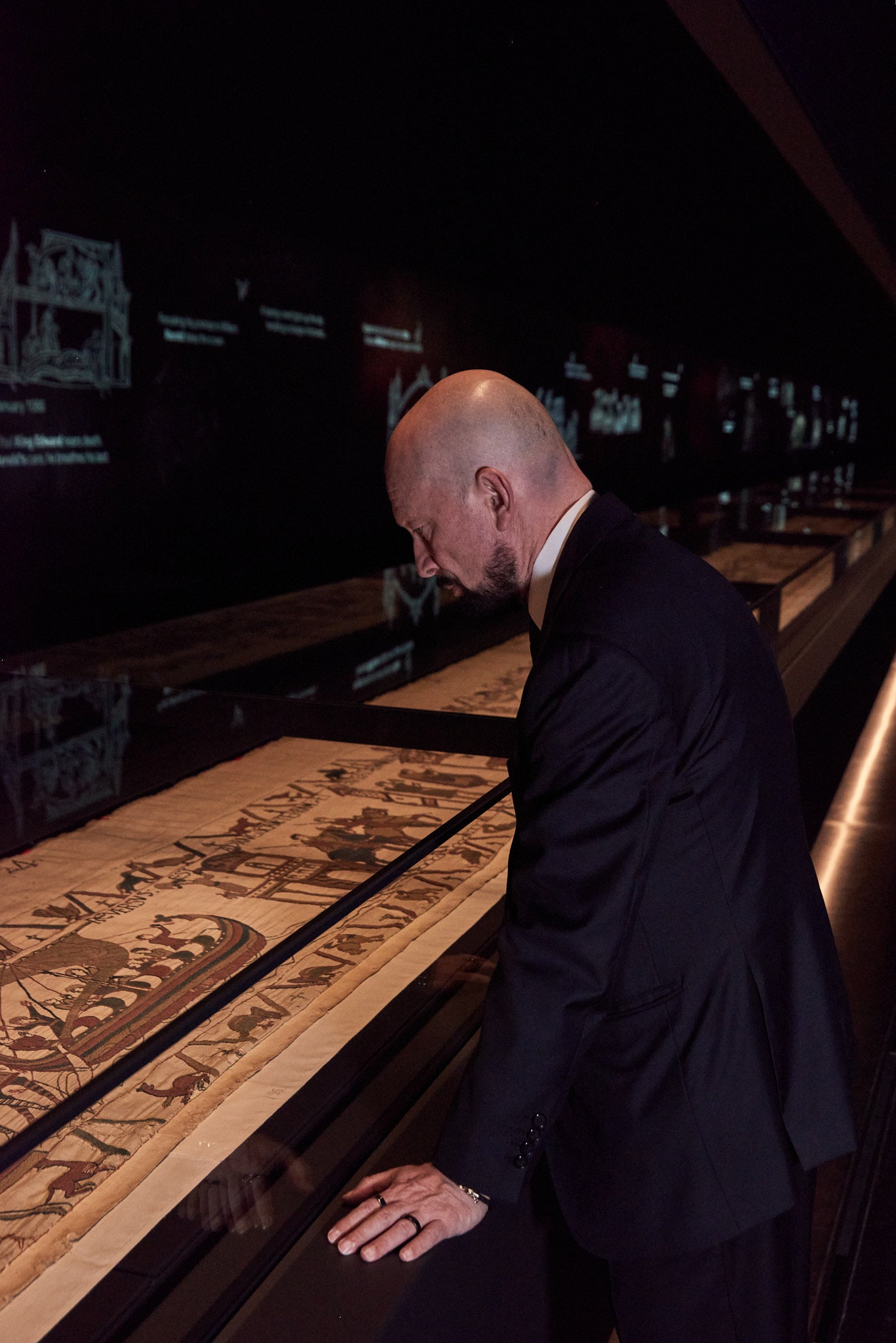 Igor Tulchinsky is fascinated by the Bayeux Tapestry (WorldQuant)
WorldQuant
Igor Tulchinsky is fascinated by the Bayeux Tapestry (WorldQuant)
WorldQuant
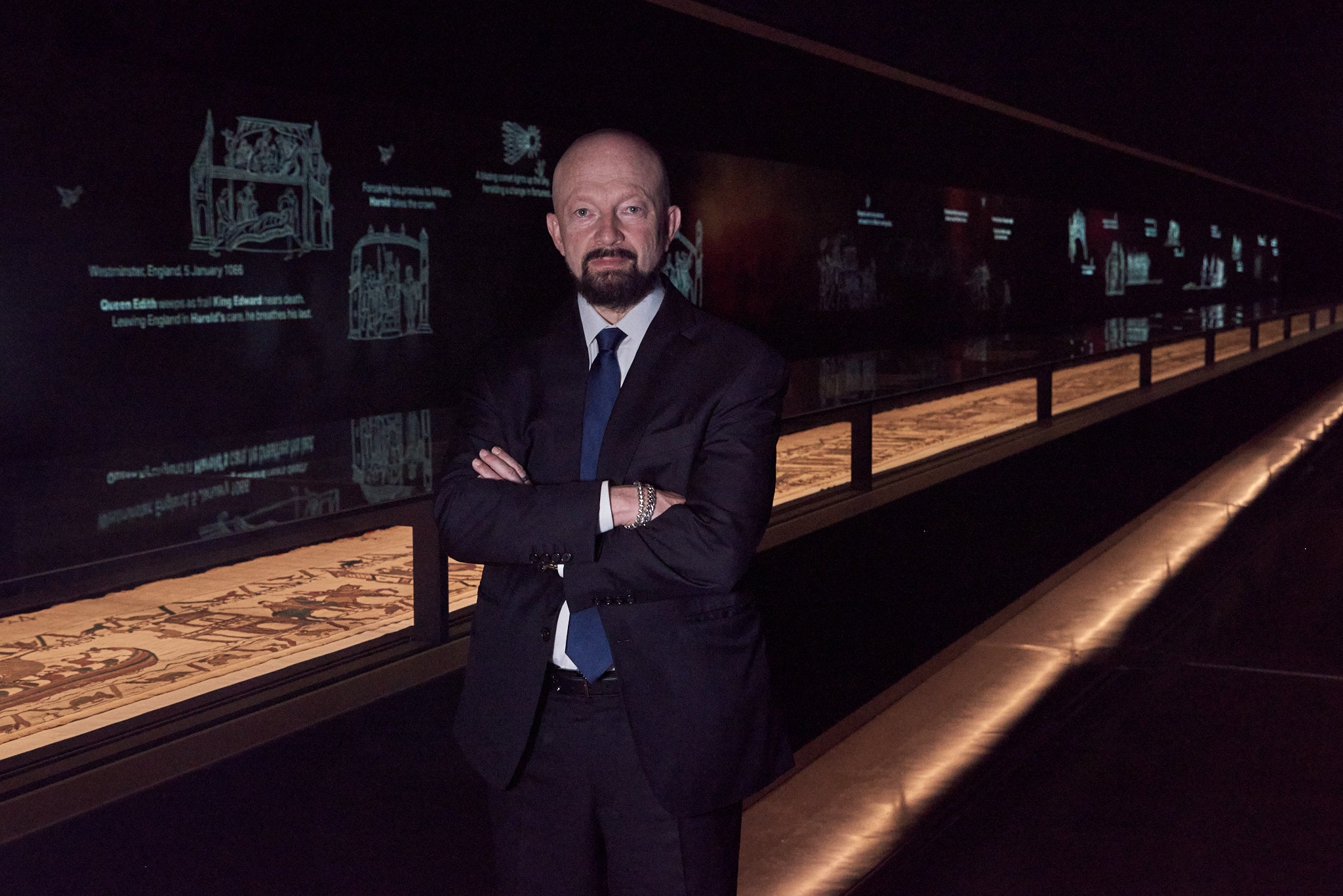 Igor Tulchinsky committed £5million to the project to bring the Bayeux Tapestry to the British Museum (WorldQuant)
WorldQuant
Igor Tulchinsky committed £5million to the project to bring the Bayeux Tapestry to the British Museum (WorldQuant)
WorldQuant
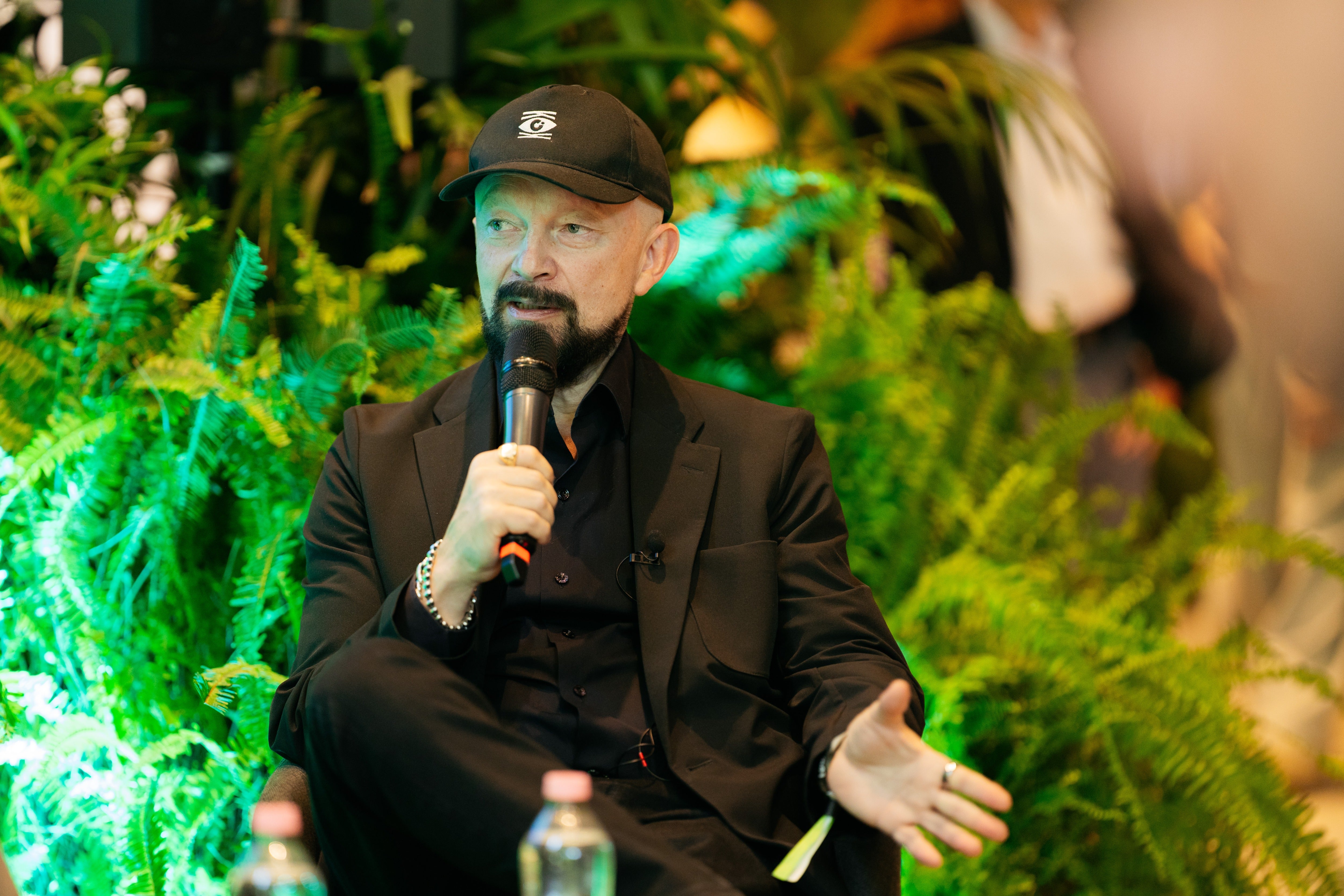 The self-made billionaire attributes his success to 50-50 luck and intelligence (WorldQuant)
WorldQuant
The self-made billionaire attributes his success to 50-50 luck and intelligence (WorldQuant)
WorldQuant
.jpg) Igor Tulchinsky in Davos (Joe Short)
Joe Short
Igor Tulchinsky in Davos (Joe Short)
Joe Short
Igor Tulchinsky, a Belarus-born American who left the Soviet Union with his parents at the age of 11, has committed £5 million to the British Museum's exhibition of the Bayeux Tapestry — the almost 70-metre embroidered chronicle of 1066, leaving France for the first time in more than nine hundred years. The Independent describes it as one of the most anticipated cultural events since the Tutankhamun exhibition of the 1970s.
Tulchinsky came to a viewing at the museum without an entourage or any display of wealth: slight, close-cropped beard, dressed almost entirely in black, a leather jacket bearing the WorldQuant logo. The tapestry he was there to see runs through Harold Godwinson taking his oath, William of Normandy readying his invasion, horses rearing, ships at sea, messengers carrying news, armies preparing for battle — coloured wool on linen, in three horizontal registers. "It's very visceral," Tulchinsky said. "It tells a story in pictures. Pictures are a thousand words." What interests him is who moves, who watches, who knows what is coming and who does not.
His parents were musicians — the father a viola player, the mother a pianist who taught at a music school — and the family home was filled with hours of daily practice. As Jews in the Soviet Union they faced persistent antisemitism; Tulchinsky remembers "names called and chalk on the pavement," and learned to keep his head down. His parents decided to stake everything on their only child's future. A Jewish organisation helped families emigrate, but applying for permission could mark a family as traitors, and a refusal might have cost his parents their jobs. The family waited three or four months for an answer, then travelled to Vienna and on to Italy, selling possessions along the way, and applied for refugee status in the United States, Australia and Canada. Tulchinsky, 11 years old, initially resisted leaving; he had friends and a familiar world.
He made his fortune in quantitative finance and has become one of the most prominent arts patrons of his generation — founding the first digital university, giving tens of millions of dollars to endow universities, and donating to Refuge when the Independent campaigned for homes for victims of domestic abuse. The tapestry, a French national monument, now crosses to London underwritten by a single private donor: a man whose family sold what it owned to reach the West.
Viewing the tapestry in the museum's subdued lighting, Tulchinsky said he was struck by how new it looked.