
Bundestag raises tobacco tax toward 12-euro cigarette packs
Berlin counts 12 billion euros over four years as an SPD MP concedes the budget gap drives the reform, AfD asks how a health measure can bank on smokers continuing
Images
 Germany to hike tobacco tax: Cigarette packs could reach €12 by 2030
euronews.com
Germany to hike tobacco tax: Cigarette packs could reach €12 by 2030
euronews.com
 Millionen Menschen rauchen in Deutschland, das beschert dem Bund Milliardeneinnahmen über die Tabaksteuer. Künftig soll es noch mehr werden. Raucher müssen sich daher auf höhere Preise einstellen.© DPA
abendblatt.de
Millionen Menschen rauchen in Deutschland, das beschert dem Bund Milliardeneinnahmen über die Tabaksteuer. Künftig soll es noch mehr werden. Raucher müssen sich daher auf höhere Preise einstellen.© DPA
abendblatt.de
 Eine 20er-Packung Markenzigaretten soll ab 2030 bis zu 14 Euro kosten.© Bernd Weißbrod/dpa | Bernd Weißbrod
abendblatt.de
Eine 20er-Packung Markenzigaretten soll ab 2030 bis zu 14 Euro kosten.© Bernd Weißbrod/dpa | Bernd Weißbrod
abendblatt.de
 Young woman smoking a cigarette outdoors.
abendblatt.de
Young woman smoking a cigarette outdoors.
abendblatt.de
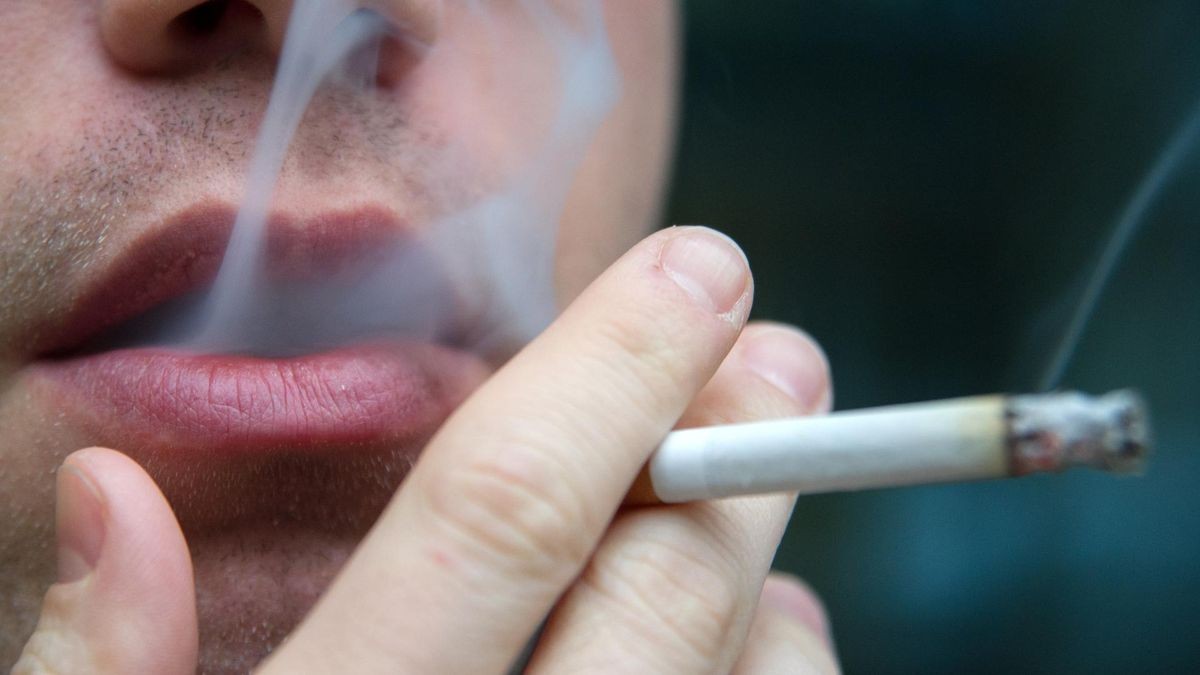 Neben Zigaretten wird auch Tabak-Feinschnitt teurer.© dpa-tmn | Andrea Warnecke
abendblatt.de
Neben Zigaretten wird auch Tabak-Feinschnitt teurer.© dpa-tmn | Andrea Warnecke
abendblatt.de
The Bundestag has voted to raise tobacco taxes in annual steps, taking a standard pack of 20 cigarettes from around 8 euros today to close to 12 by 2030, with premium brands reaching as much as 14. The law passed on Thursday with the votes of the Union and SPD coalition; the Bundesrat votes on Friday and no objection is expected.
The finance ministry expects an additional 1.5 billion euros in 2027, rising to 4.5 billion by 2030 — roughly 12 billion over four years, on top of the 17.6 billion euros the tax authorities took in from tobacco duty last year. The government presents the increase as both budget consolidation and health protection. In the Bundestag debate, the SPD's Ingo Vogel acknowledged the reform was partly intended to help balance the budget, alongside the aim of making nicotine less attractive. The AfD's Christian Douglas pointed at the arithmetic: a measure justified by making people quit cannot at the same time be counted on to deliver rising revenue. The Greens found the increases too small; Die Linke voted against alongside the AfD, and the CDU's Carsten Brodesser failed with a call for more moderate steps after warning of falling revenue and damage to the legal trade.
Cheap products take the sharpest hits. A 30-gram pack of rolling tobacco, now 6 to 8 euros, is projected to reach 12 euros by 2030, and taxes on e-cigarette liquids rose slightly more than expected — inexpensive products in particular, Vogel said, should not become an easy gateway to nicotine. Rises on cigars and cigarillos were softened from earlier drafts.
Whether the revenue materializes is the reform's open question. Industry representatives doubt the projections, warning that smokers will drift to the black market or to cheaper cigarettes from neighboring EU countries; customs officials and their union raised the same concern, which Vogel said is taken very, very seriously. The German Cancer Research Center's Katrin Schaller called a tobacco tax increase the most effective single measure to discourage smoking and said the black market stays manageable if customs is strengthened. Around 19 percent of Germans over 15 smoke, according to the 2025 microcensus, and the Cancer Research Center counts some 131,000 tobacco-related deaths in 2023.
The Bundesrat is expected to clear the law on Friday. The first 1.5 billion euros is booked for 2027.