
Unions urge tax raid on banks ahead of October Budget
Healey reportedly weighs reversing Hunt's surcharge cut, TUC counts a billion a week in big four profits while CBI warns lenders already pay more than rival centres
Images
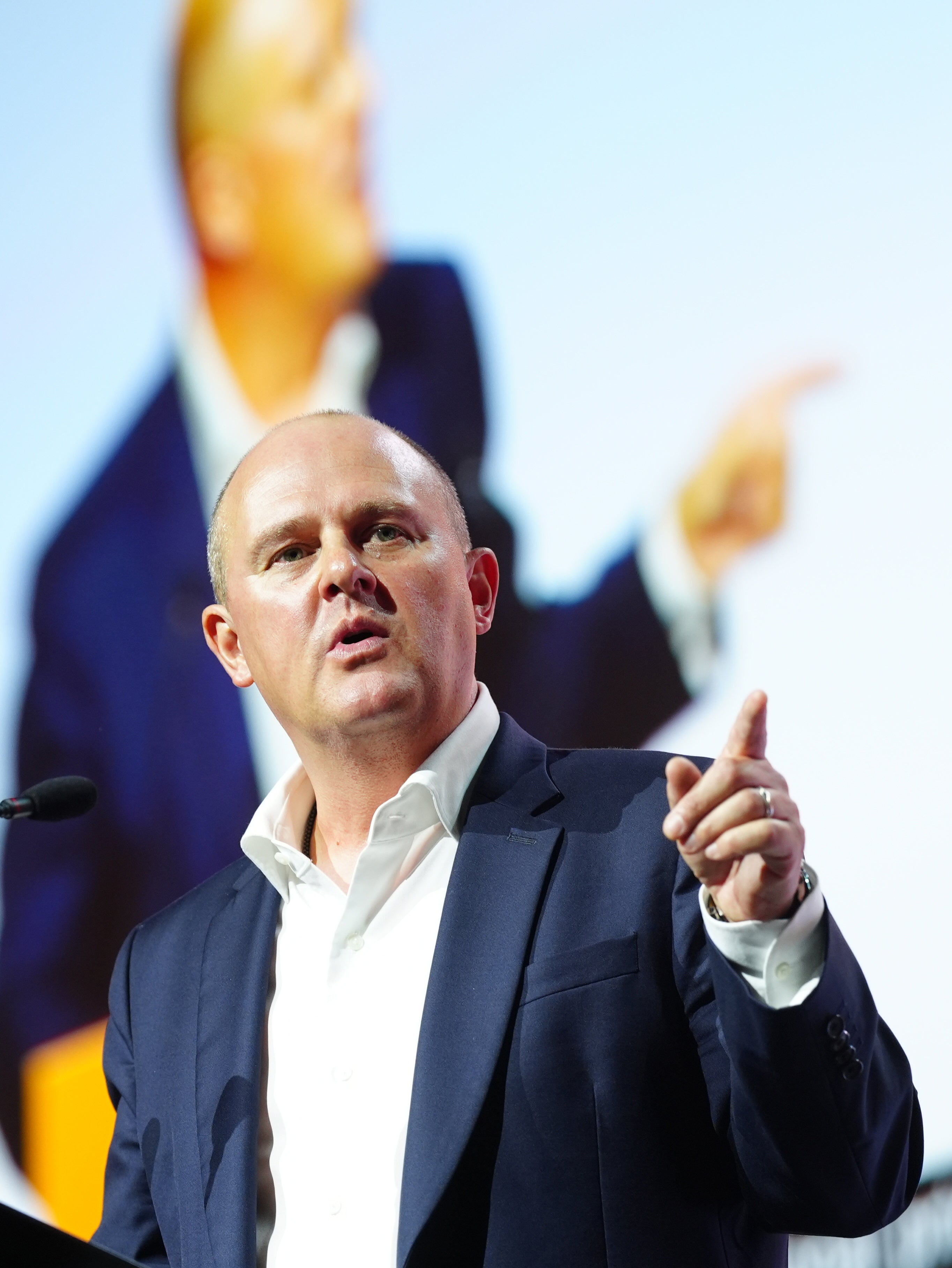 TUC General Secretary Paul Nowak (Stefan Rousseau/PA) (PA Wire)
PA Wire
TUC General Secretary Paul Nowak (Stefan Rousseau/PA) (PA Wire)
PA Wire
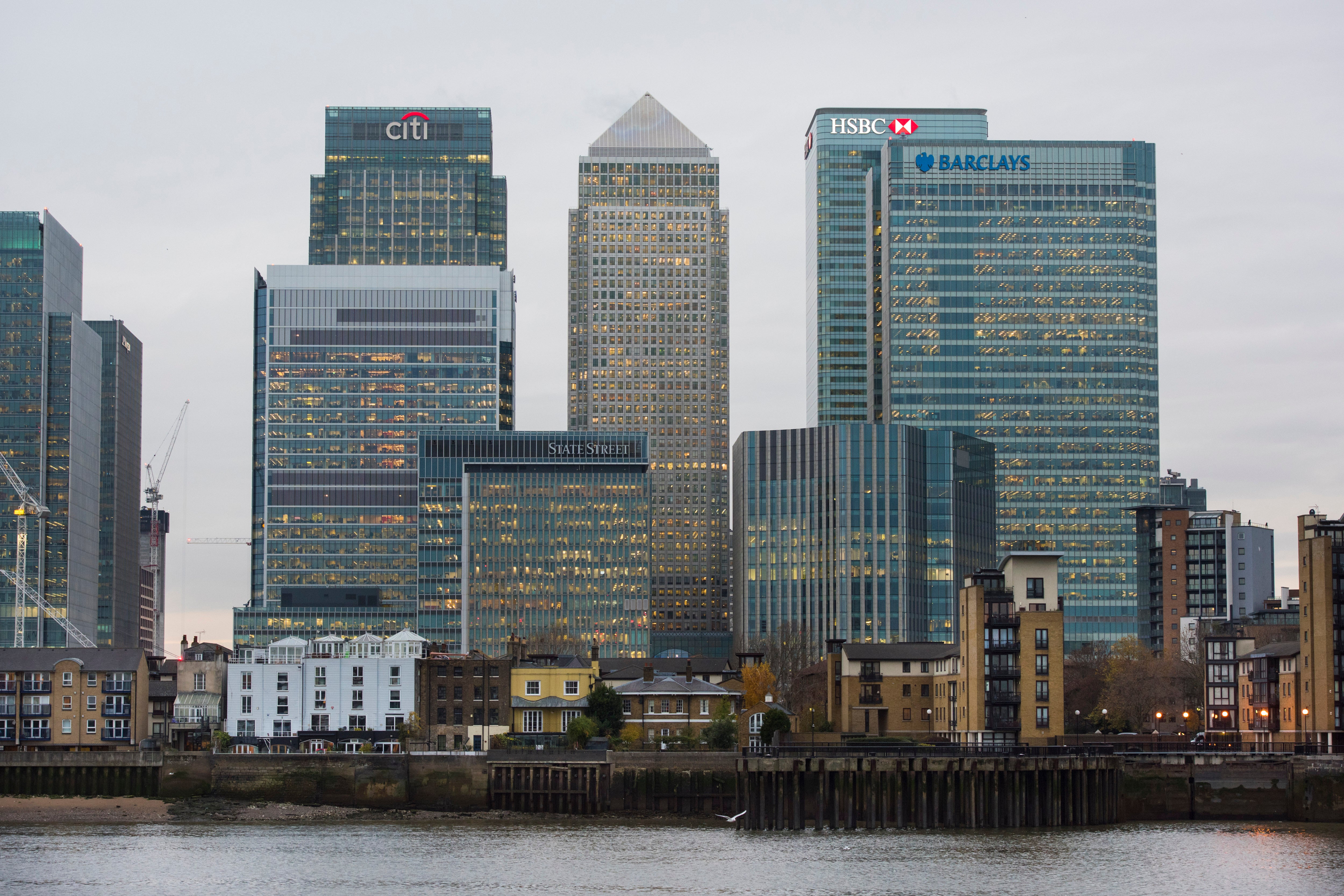 General view of Canary Wharf in London (Matt Crossick/PA) (PA Archive)
PA Archive
General view of Canary Wharf in London (Matt Crossick/PA) (PA Archive)
PA Archive
Trade unions are pressing Chancellor John Healey to raise taxes on Britain's banks ahead of the October 28 Budget. The TUC's target is the surcharge on bank profits, which Jeremy Hunt cut from 8 to 3 percent: restoring it would raise £2.25 billion a year by the union body's calculation, and lifting it to 16 percent would bring in £24 billion over four years. According to the Guardian, Healey is weighing the restoration as he searches for revenue to hold the deficit down while government borrowing costs soar.
The arithmetic on offer is self-interested on every side. TUC general secretary Paul Nowak counts the big four banks making a billion pounds a week, bonuses at a post-crash record, and £6 billion in revenue already forfeited to Hunt's cut; he attributes the profits to high interest rates and households' mortgage misery. Those are the same rates that have sent the government's own debt bill upward on inflation fears stoked by the US war with Iran — the banks' windfall and the Treasury's squeeze are two readings of the same dial.
The counter-lobby is equally interested. CBI chief economist Louise Hellem says the sector already faces a higher tax rate than competing international financial centres and urges the Chancellor to avoid further sector-specific levies; Tory shadow chancellor Andrew Griffith warns that a raid "will stifle" growth. The Institute for Public Policy Research, a think tank with influence inside Labour, proposes £1 billion from a temporary windfall surcharge, part of a £16 billion package for struggling households, and puts the shrinkage of the Chancellor's fiscal buffer since spring at up to £15 billion. The mobility warnings are not entirely abstract: Revolut, the fintech champion, is preparing a dual listing in London and New York after its founder declared London cannot compete with the US.
The surcharge has already moved once, from 8 percent to 3, and the TUC now proposes 16 — a range that suggests the rate is a bargaining position rather than a principle. Healey, speaking to the BBC from the IMF meeting in Bangkok, allowed that "it's a tough time" and suggested government departments may not be given extra cash to cover pay rises, even as he and Prime Minister Andy Burnham promise help with cost-of-living pressures. A Treasury spokesperson said tax decisions are "a matter for the Chancellor to set out at fiscal events," declining to comment on rumour and speculation.
Healey has told the public to brace for a tough Budget on October 28. By the TUC's count, the big four banks make a billion pounds a week.