
Costa Rica inaugurates Bukele-model mega-prison
Fernández opens 5,100-inmate CACCO with Salvadoran-donated designs as San José imports security policy wholesale, same week Bukele moves to release half of El Salvador's emergency detainees
Images
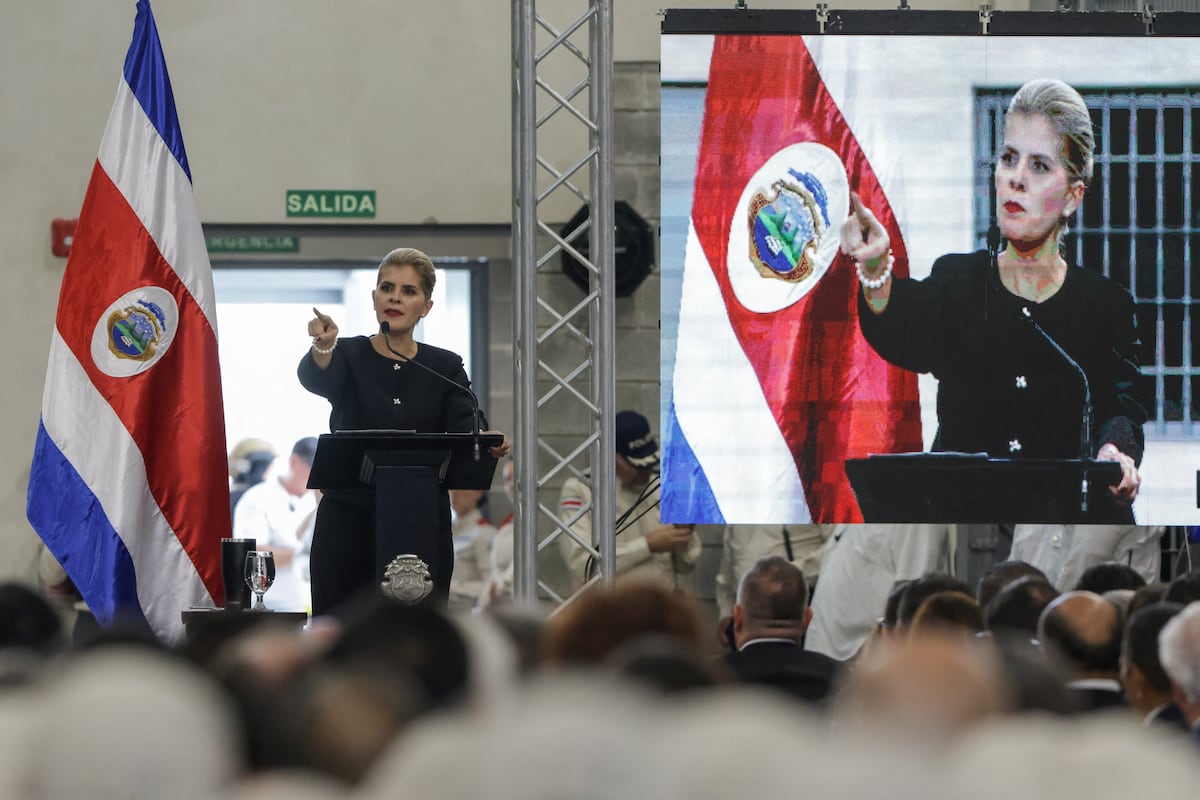 Costa Rica adopts Bukele’s penitentiary model with the inauguration of a new mega-prison
english.elpais.com
Costa Rica adopts Bukele’s penitentiary model with the inauguration of a new mega-prison
english.elpais.com
 El Salvadorian illegal immigrant accused of killing Virginia mother, federal sources say
foxnews.com
El Salvadorian illegal immigrant accused of killing Virginia mother, federal sources say
foxnews.com
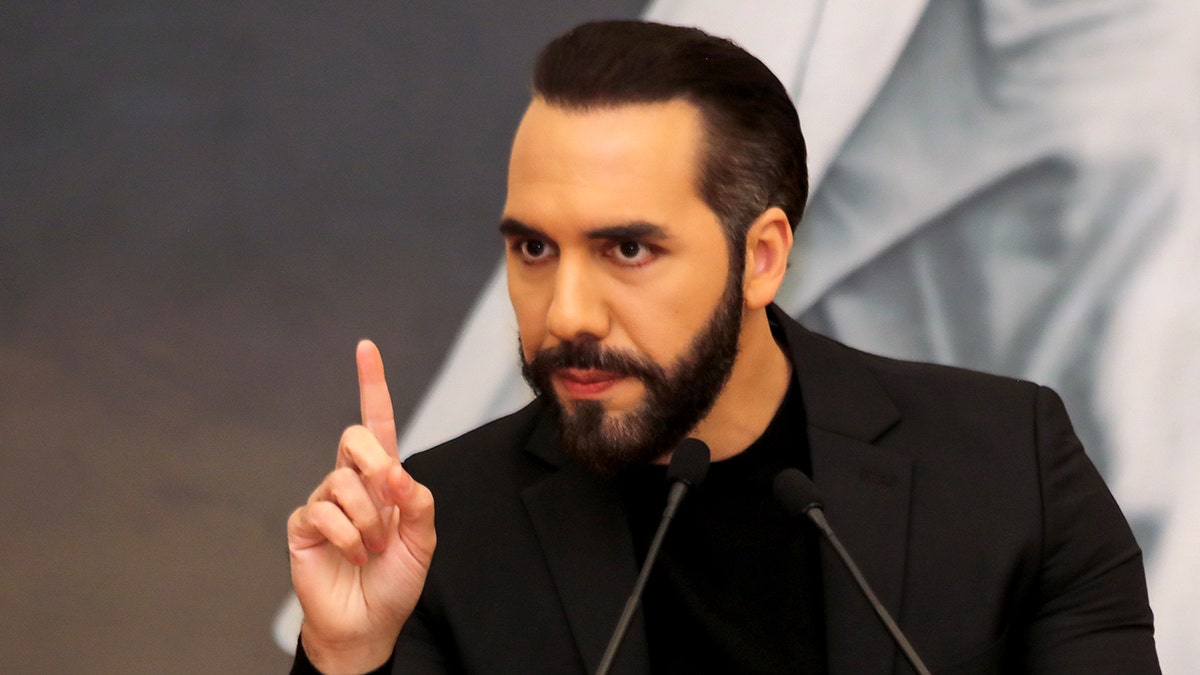 President of El Salvador Nayib Bukele holds index finger up
foxnews.com
President of El Salvador Nayib Bukele holds index finger up
foxnews.com
 Bukele speaking
foxnews.com
Bukele speaking
foxnews.com
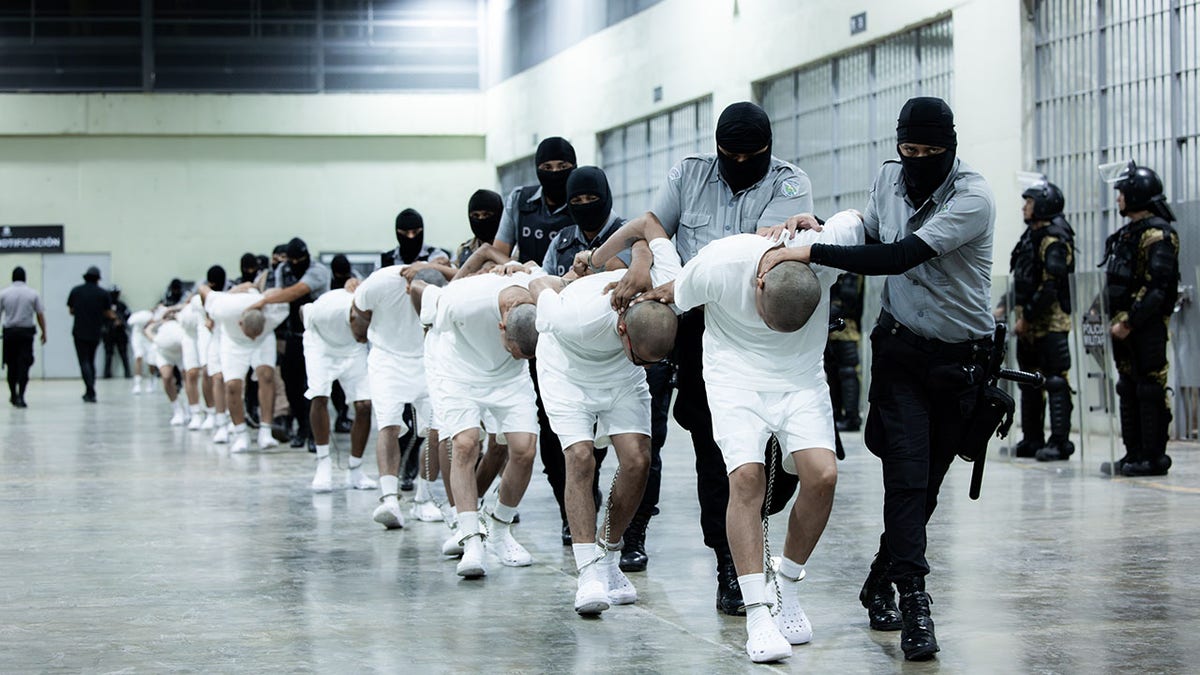 EL Salvador guards bring in Venezuelans to CECOT
foxnews.com
EL Salvador guards bring in Venezuelans to CECOT
foxnews.com
Costa Rica, the country that abolished its army in 1948 and long boasted the region's lowest murder rates, has inaugurated a maximum-security mega-prison modeled on El Salvador's Cecot. President Laura Fernández called the High-Containment Center Against Organized Crime "a before and after in penitentiary security" at Wednesday's ceremony — though the new facility holds 5,100 inmates, one-eighth the capacity of its Salvadoran template.
The Salvadoran government donated the building designs. Fernández flies to El Salvador on Friday to tour the Cecot itself, completing the import of a model whose export package now travels the region.
The timing is instructive. The same week, Nayib Bukele announced a plan that could conditionally release up to half of the more than 90,000 people arrested under El Salvador's state of emergency — a measure in force since March 2022 that suspended the right to counsel, the right to be informed of charges, and visitation. Human rights groups have documented over 6,000 complaints and at least 575 deaths in custody. Bukele's own explanation for the releases was candid: "If we were to arrest everyone who collaborated with gangs, we would have to arrest 20% of the population." The gang-collaborator category sweeps in lookouts and people who paid extortion.
Costa Rica's problem, meanwhile, is not the one the Cecot solved. Authorities there say the security crisis is driven by drug-trafficking organizations moving millions of dollars in partnership with international cartels — dispersed through society and, in Fernández's own words, infiltrating state institutions. A prison isolates individuals; it does not touch the ports, banks and laundering networks that keep them employed.
The government's rhetoric blames the judiciary for failing to convict enough people, even as Costa Rica counts itself among the twenty countries with the world's highest incarceration rates, with prison overcrowding above 50 percent and a prison population that doubled in a decade. Former president Laura Chinchilla put the cost at nearly 17 billion colones and called the facility "a placebo" offered to public opinion — sharing police footage of gangs roaming freely in public spaces.
Fernández ordered that the prison's first inmate be a suspect in the May killing of a police officer. The classification criteria, authorities said, will have a technical basis.