
Ukraine tests drone that flies wounded soldiers out of kill zone
SkyFall's StarGate carries 150 kilograms over 15 kilometres, ground robots need two to three hours for the same trip
Images
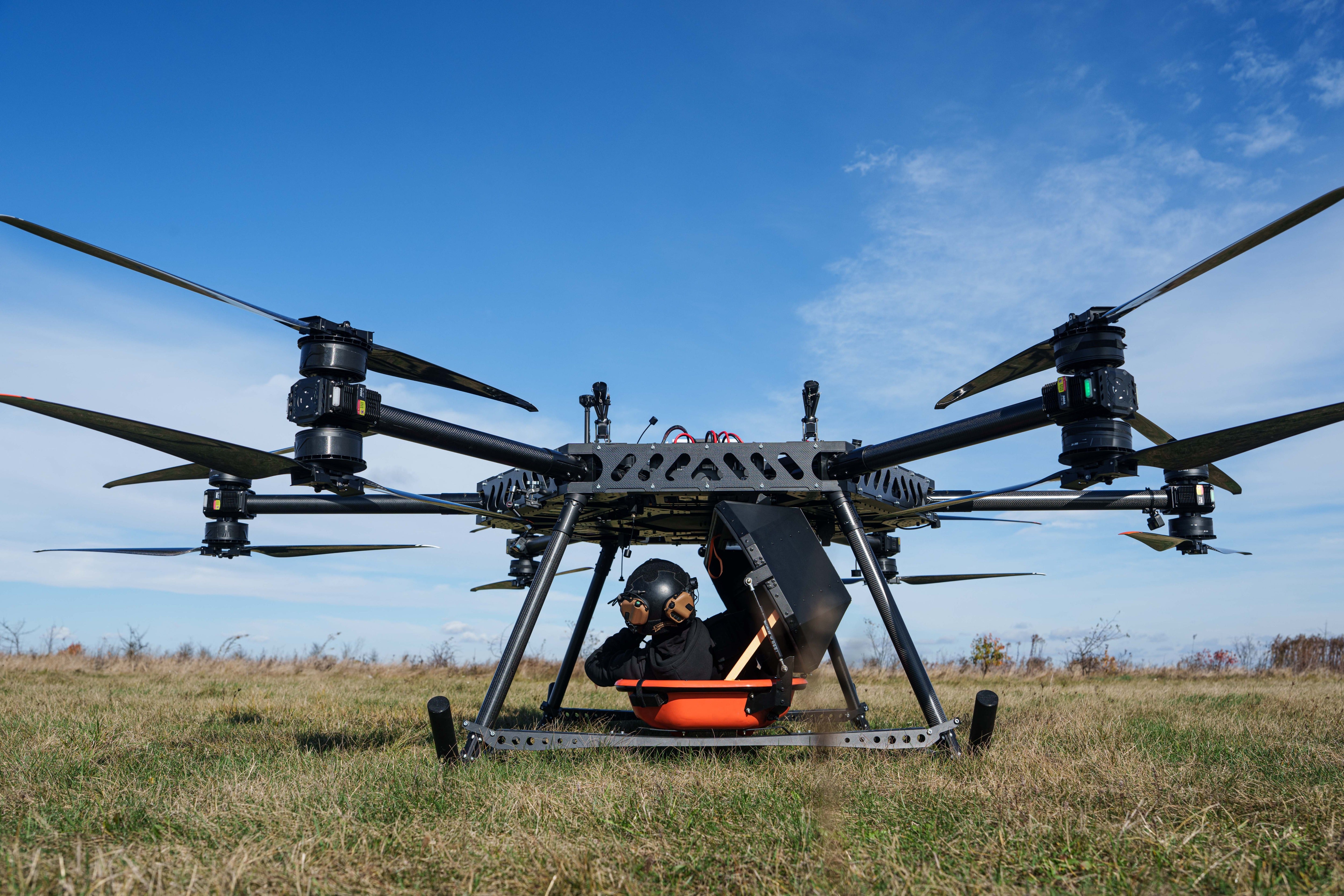 A representative of the SkyFall drone company climbs into a medical module of the SkyGate drone before a demonstration flight in Ukraine (AP/Evgeniy Maloletka)
AP/Evgeniy Maloletka
A representative of the SkyFall drone company climbs into a medical module of the SkyGate drone before a demonstration flight in Ukraine (AP/Evgeniy Maloletka)
AP/Evgeniy Maloletka
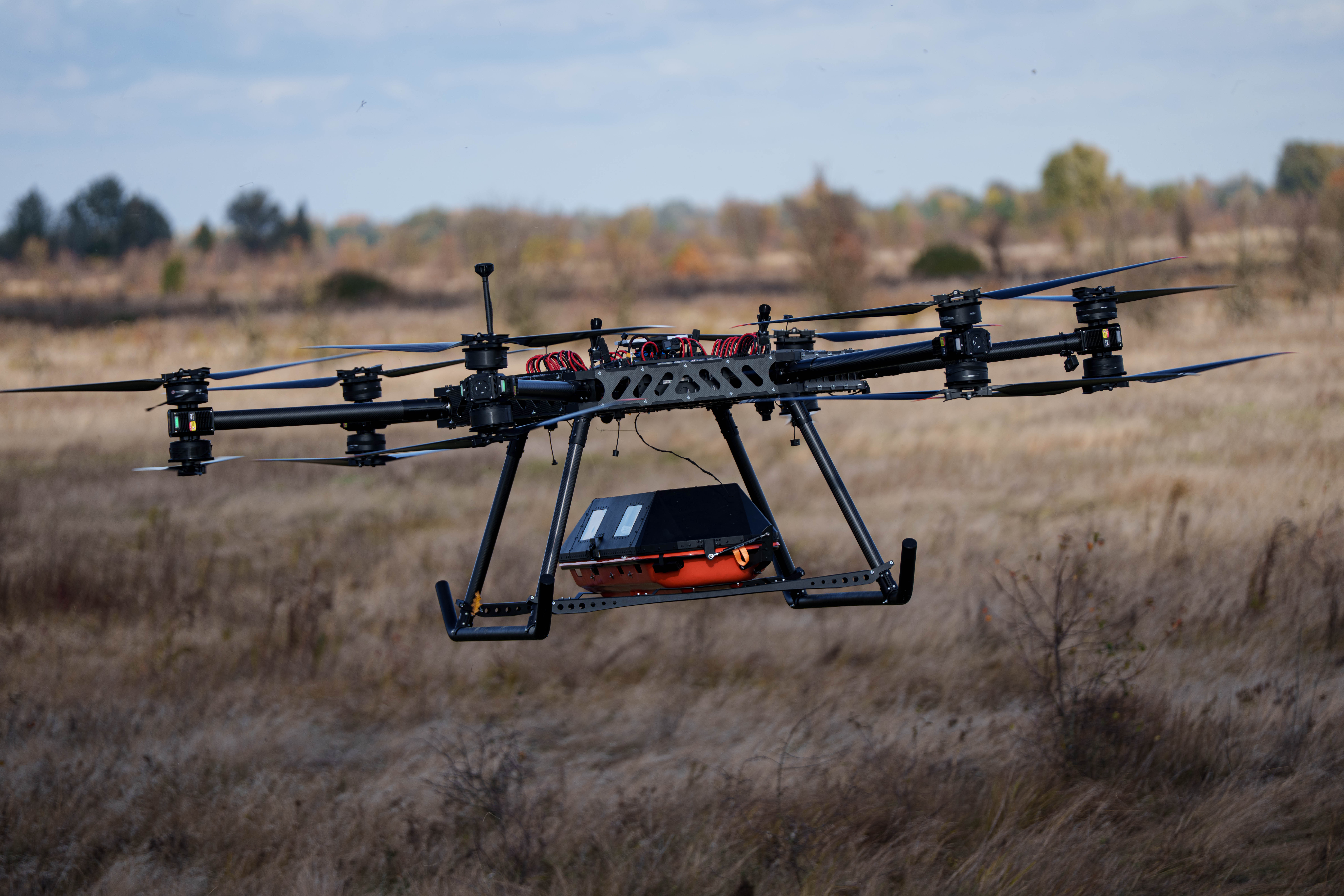 The aerial medical evacuation drone was developed over the past year by Ukrainian defense technology company SkyFall (AP/Evgeniy Maloletka)
AP/Evgeniy Maloletka
The aerial medical evacuation drone was developed over the past year by Ukrainian defense technology company SkyFall (AP/Evgeniy Maloletka)
AP/Evgeniy Maloletka
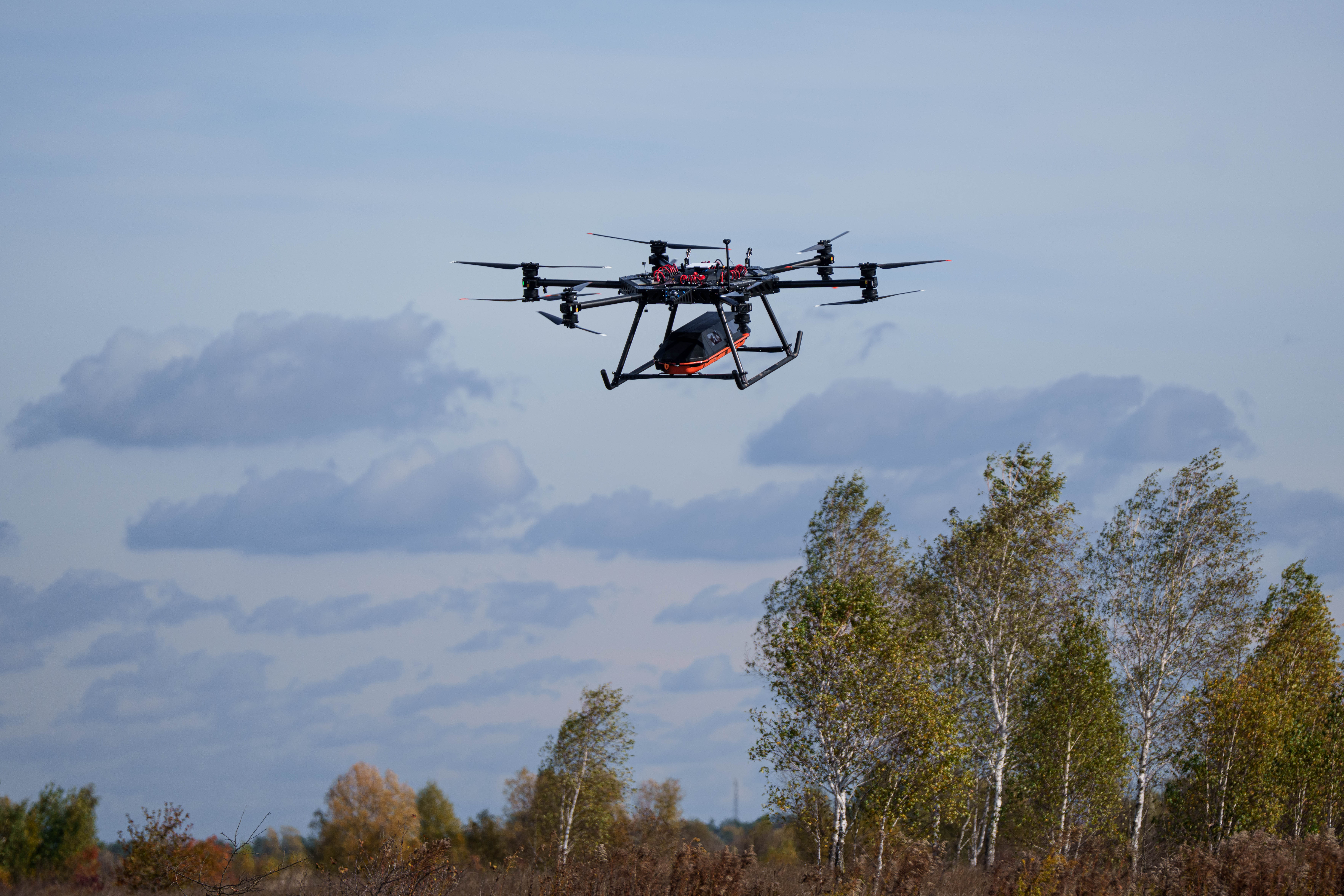 The drone cruises at 65kph (40mph) and can reach speeds of up to 105kph (AP/Evgeniy Maloletka)
AP/Evgeniy Maloletka
The drone cruises at 65kph (40mph) and can reach speeds of up to 105kph (AP/Evgeniy Maloletka)
AP/Evgeniy Maloletka
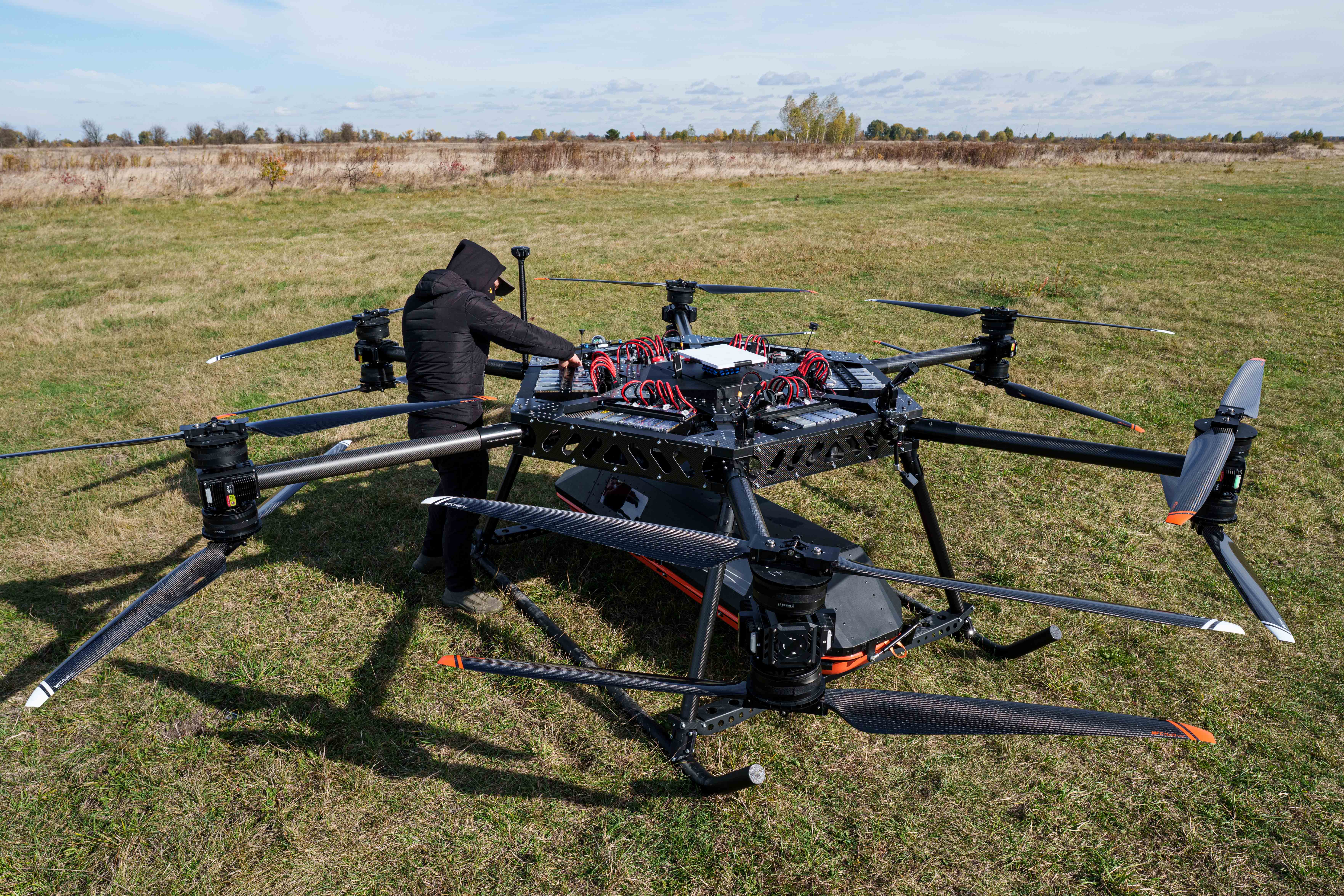 StarGate has a one-way range of 15km, potentially allowing it to reach critically wounded soldiers trapped deep inside the kill zone (AP/Evgeniy Maloletka)
AP/Evgeniy Maloletka
StarGate has a one-way range of 15km, potentially allowing it to reach critically wounded soldiers trapped deep inside the kill zone (AP/Evgeniy Maloletka)
AP/Evgeniy Maloletka
A six-rotor drone lifted off from a field far from the front line this week, carrying a weighted stretcher secured to its frame — a stand-in for a wounded soldier in body armour — in a field demonstration to which the Associated Press received exclusive access. The machine, named StarGate, has been handed to a Ukrainian combat brigade for evaluation under front-line conditions.
StarGate was developed over the past year by the Ukrainian defence company SkyFall, which emerged after Russia's full-scale invasion and already builds the Vampire heavy-lift drone — known to Russian forces as "Baba Yaga" — along with Shrike first-person-view drones and the P1-SUN aerial interceptor. The AP was not permitted to disclose the location of the testing.
The problem the machine addresses is arithmetic. In some sectors, the "kill zone" — ground under constant threat from drones and artillery — stretches 10 to 15 kilometres or farther. Unmanned ground vehicles have taken on a growing share of casualty evacuation, but they struggle through mud, craters and shattered roads, and rivers, mines and drones can stop them altogether. KVN, a commander with the 475th Separate Assault Regiment, known as Code 9.2, says ground robots typically need two to three hours to reach a position. In his unit's area, retrieving a wounded soldier on the same day is not always possible — and for severe injuries, the wait can decide whether he survives.
StarGate carries up to 150 kilograms, enough for a wounded soldier in body armour carrying combat equipment, cruises at 65 kilometres per hour, reaches 105, and can be prepared for flight in about 10 minutes. Its one-way range of 15 kilometres would let it reach casualties deep inside the kill zone that ground vehicles cannot reliably cross. "Covering 10km in minutes would be a drastic change on the front line," KVN said.
The request came from below, not from a ministry. Last year, Flint, commander of Code 9.2, approached SkyFall's founder about a safer way to evacuate the wounded from hard-to-reach positions — for his troops, reaching them can mean travelling on foot through ground where vehicles are vulnerable to drones. "The idea came directly from the front line, from the trenches," said SkyFall's spokesperson, who spoke in a balaclava and asked not to be named, citing the security risks facing Ukrainian military technology personnel.
The drone is named after the science-fiction franchise in which portals connect distant worlds.