
Giant coconut crabs complicate Amelia Earhart expedition on Nikumaroro
Crew sleeps aboard ship to avoid crustaceans whose grip outmatches a human bite, the species suspected of carrying off her remains patrols the island at night
Images
 'Flesh-eating' crabs complicate search for Amelia Earhart’s plane
foxnews.com
'Flesh-eating' crabs complicate search for Amelia Earhart’s plane
foxnews.com
 Split image of Amelia Earhart, coconut crab
foxnews.com
Split image of Amelia Earhart, coconut crab
foxnews.com
 Split image of Amelia Earhart, researcher holding crab
foxnews.com
Split image of Amelia Earhart, researcher holding crab
foxnews.com
 Crew members smiling on island, Amelia standing by airplane
foxnews.com
Crew members smiling on island, Amelia standing by airplane
foxnews.com
 Google Earth imagery of Nikumaroro Island
foxnews.com
Google Earth imagery of Nikumaroro Island
foxnews.com
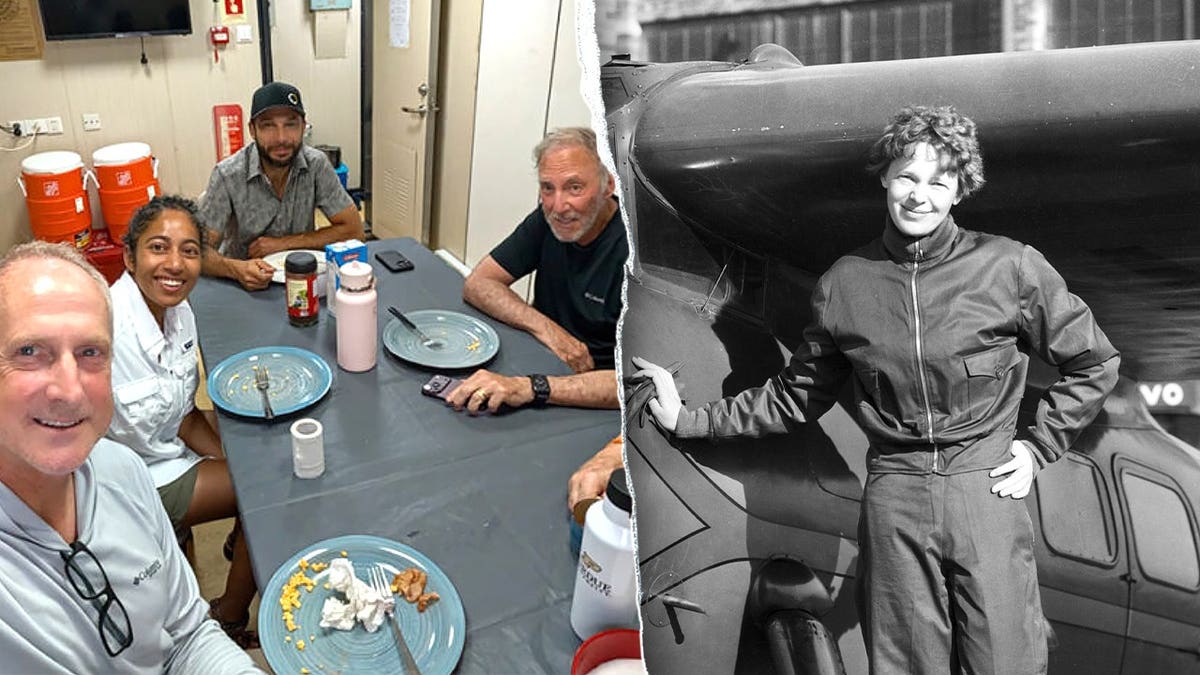
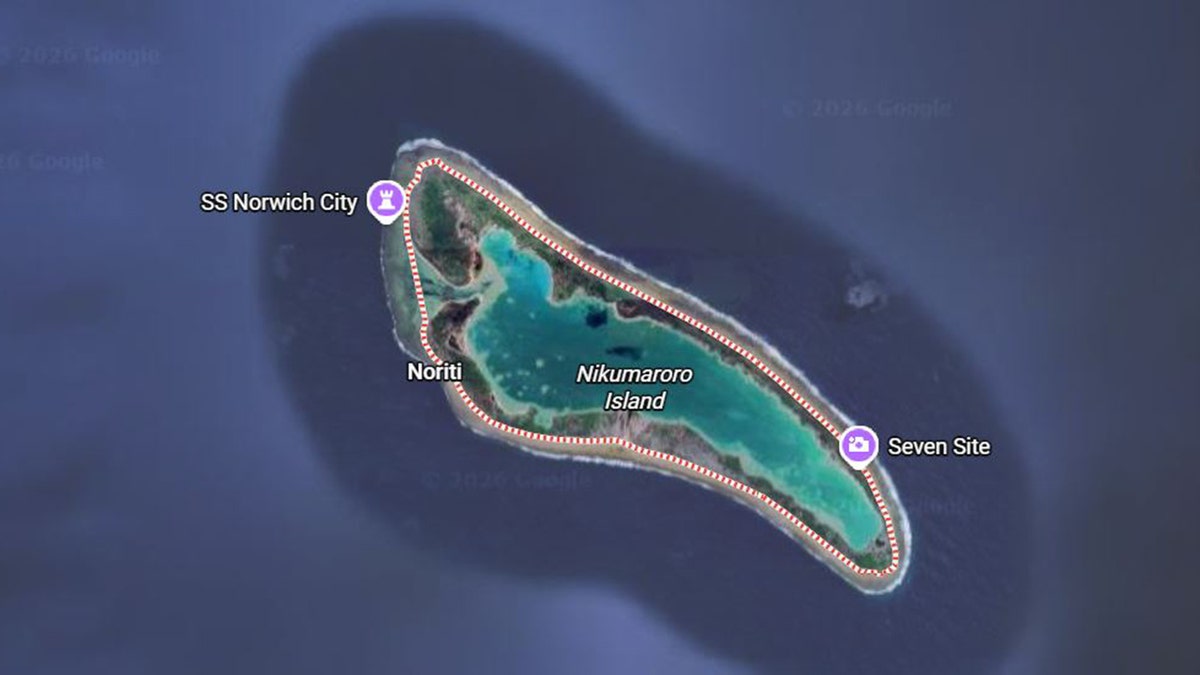
The 17-person expedition searching for Amelia Earhart's lost aircraft reached the remote Pacific island of Nikumaroro on Monday evening after a five-day voyage — and will sleep every night back aboard its ship, in part because the island is patrolled by coconut crabs. Purdue University, which confirmed the arrangement, said the animals' size and overnight activity make staying on the island impractical.
The team went ashore the following morning to reopen the trail to the island's lagoon, a route nicknamed the Gallagher Highway that had grown over since the previous expedition. Two hours of machetes and hand chainsaws cleared the path and turned up at least four coconut crabs, which Purdue said "posed no threat to the operation." The crew nonetheless retreats each evening to the Marin Mainiku.
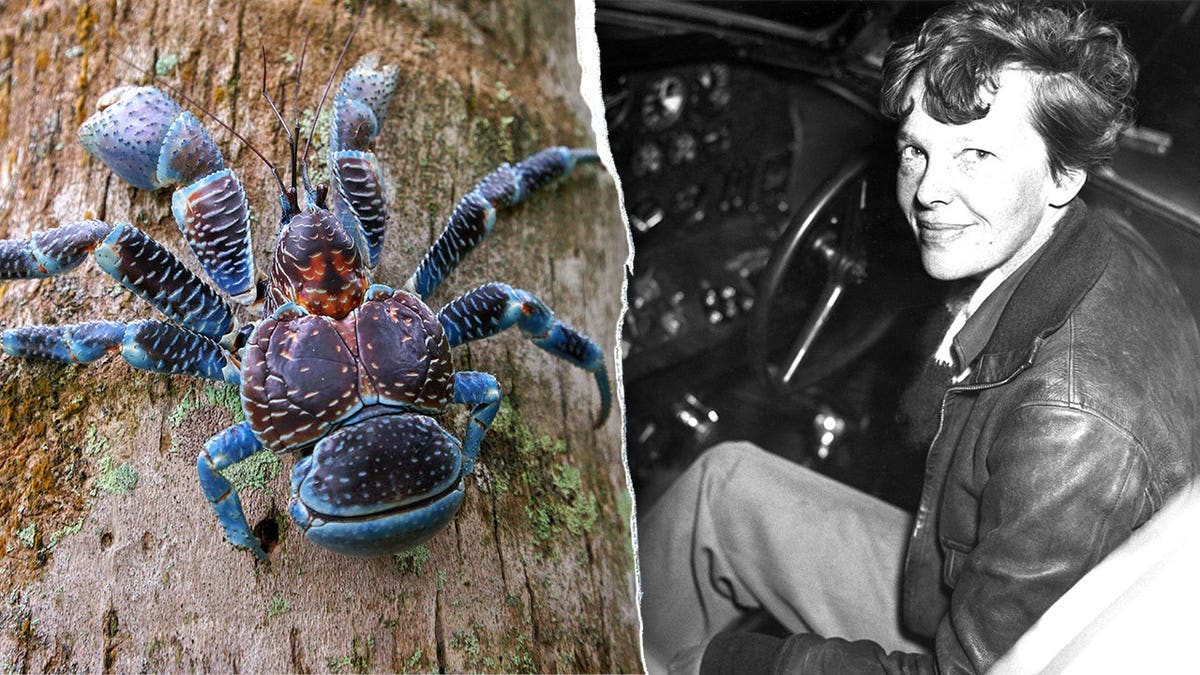
The obstacle is the largest terrestrial arthropod on Earth, according to a 2011 US Geological Survey report: an omnivore that scavenges carcasses, climbs trees, maintains several burrows across its territory and can live more than 40 years. London's Natural History Museum notes that its two pincers, edged with serrations that function like teeth, are built to crack coconuts. Researchers testing 29 wild crabs measured grips of more than 1,765 newtons of force; human bite force peaks somewhere between 1,100 and 1,300 newtons. A coconut crab squeezes harder than a human bites.
That profile is why the animal has never been a mere nuisance on Nikumaroro. Earhart vanished over the Pacific in 1937, and the theory that draws searchers to this island holds that she ended her days on it. The coconut crab — nocturnal, powerful and a documented scavenger of carcasses — has long been suspected of dragging away and dispersing whatever remained of her. The species that may have disposed of the evidence is now the reason the investigators leave the island at dusk.
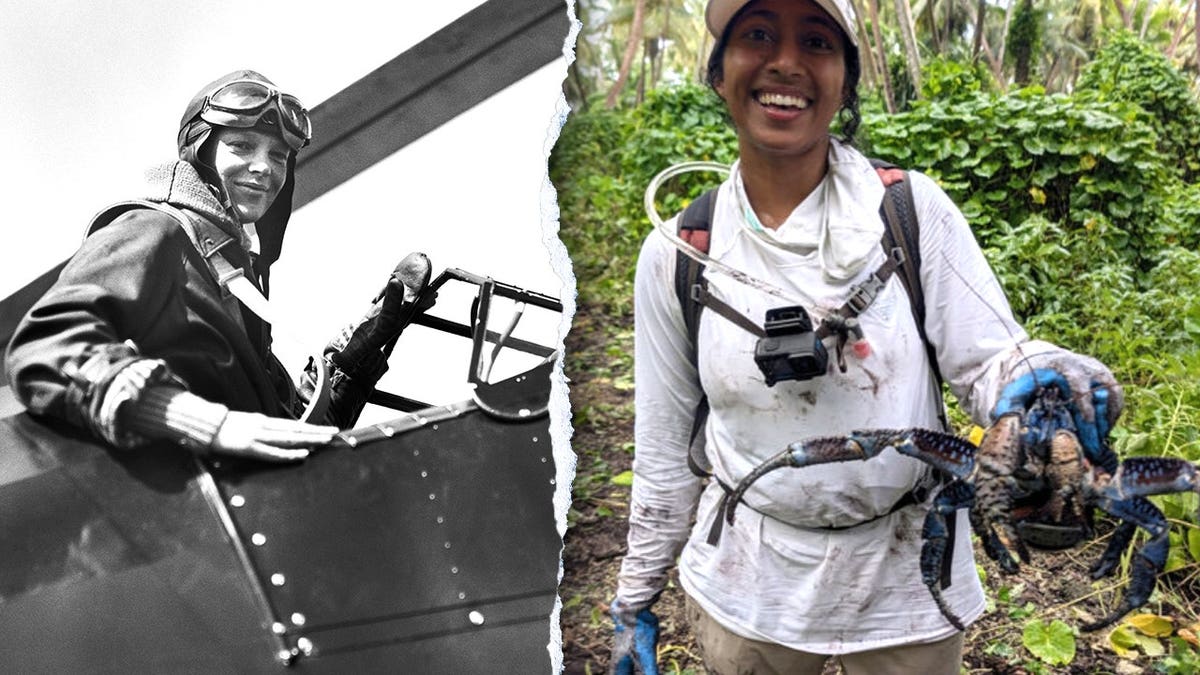
Expedition member Renato LaRocca, who had visited Nikumaroro before, described the working conditions in an October 9 university statement: "There is a problem with coconut crabs and hermit crabs, but otherwise it's a magical place." A photo released by Purdue shows crew member Sirisha Bandla holding one of the animals, its legs and claws extended.
Eighty-nine years after she vanished, the search works by day and sleeps on the water. The island reverts to the crabs at night.