
Basic food basket costs just over an hour's work in Ireland and a month in the Central African Republic
World Vision's Price Shocks 2026 weighs ten staples against wages in 62 countries, global average eases to 4.3 working days even as hunger worsens in 32 countries
Images
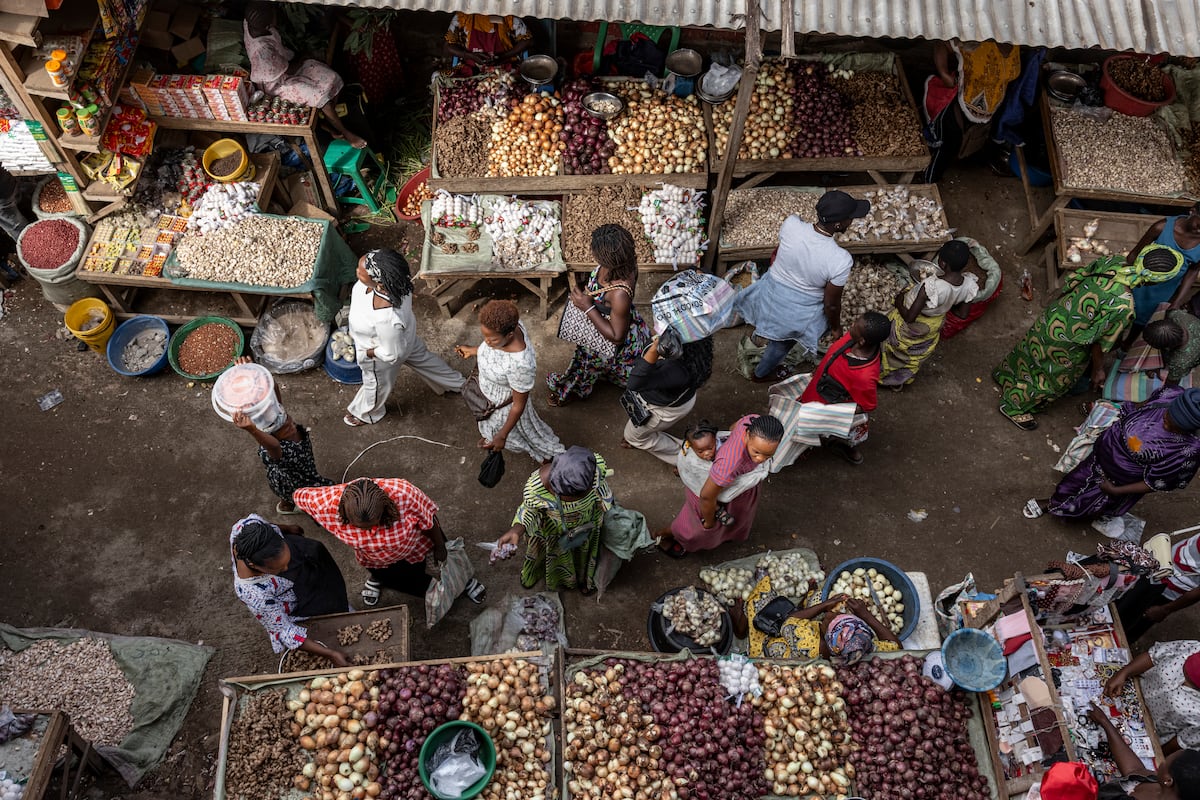 The cost of basic groceries, measured in wages: 1.2 hours of work in Ireland and a month in the Central African Republic
english.elpais.com
The cost of basic groceries, measured in wages: 1.2 hours of work in Ireland and a month in the Central African Republic
english.elpais.com
A basket of ten basic food items costs 1.2 hours of work in Ireland and roughly a month of work in the Central African Republic. The figures come from World Vision's Price Shocks 2026 report, the fifth consecutive edition to set the price of a common basket of staples against average wages in 62 countries. In Finland the same groceries take 1.7 hours of work; in Malawi, 20.4 days.
Across the countries surveyed, the average work needed to afford the basket fell to 34.3 hours — about 4.3 working days — from 4.9 days in 2024. The improvement is uneven. The 2026 Global Hunger Index, published on Wednesday, finds hunger rising again after nearly two decades of progress: 44 countries register serious or alarming levels, and 32 are worse off than in 2018. Nine of the eleven countries where food is least affordable sit in sub-Saharan Africa, home to nearly half of the world's most fragile and conflict-affected states.
The report's chosen unit is the point. "Inflation percentages can seem abstract, but everyone understands what it means to work a full day, or even several days, just to afford a basic, nutritious diet," says Paul Kinuthia, senior director of Food, Cash and Markets at World Vision International. In high-income countries, workers need little more than an hour's wages for the basket; in the eleven least affordable, more than a full week's work. The basket is identical everywhere. The wage that buys it is not.
The report's blind spots are part of the finding. Japan and Mauritania were left out because their baskets lacked maize data; Afghanistan, South Sudan, Venezuela and Syria because no income figures exist. Kinuthia calls the absence of official statistics itself a sign of crisis — "the children facing the greatest risks of hunger and malnutrition may also be the least visible" — and without functioning data systems, he notes, crises go underreported, needs underestimated, responses delayed.
A market vendor or casual labourer may hold a job and still choose between food, school fees and healthcare, a situation that in Kinuthia's words "puts an entire generation of children at risk of hunger, malnutrition and lost opportunities to develop". In 56 of the 62 countries, the arithmetic could at least be done.