
Supreme Court blocks 48-hour deadline for FCC in political ad dispute
Justices rule 7-2 that agency need not act within any particular time frame, discounted rates for parties and fundraising committees stand ahead of midterms
Images
 newsweek.com
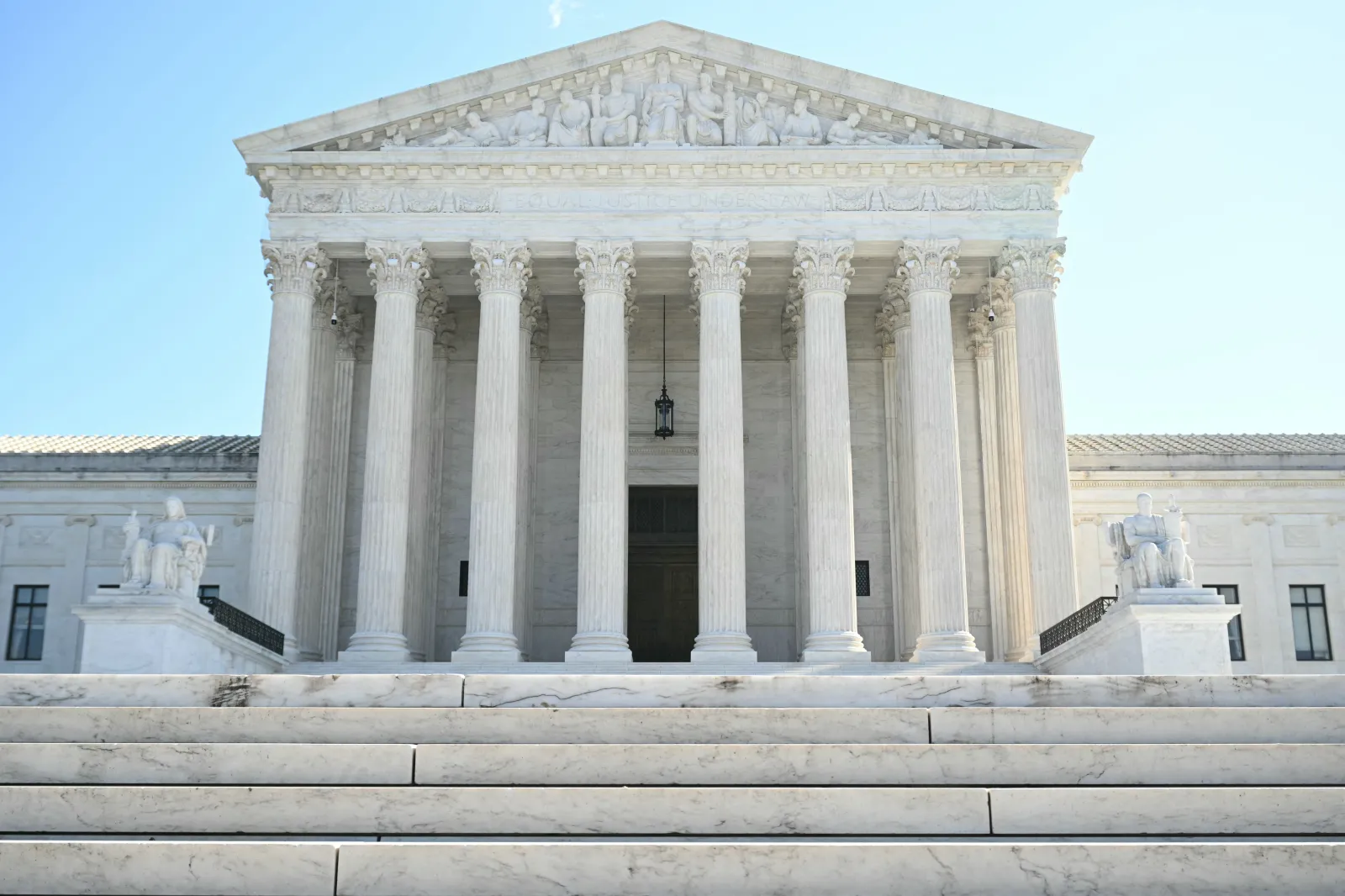 The U.S. Supreme Court is seen from the front in Washington, D.C.
newsweek.com
The U.S. Supreme Court is seen from the front in Washington, D.C.
newsweek.com
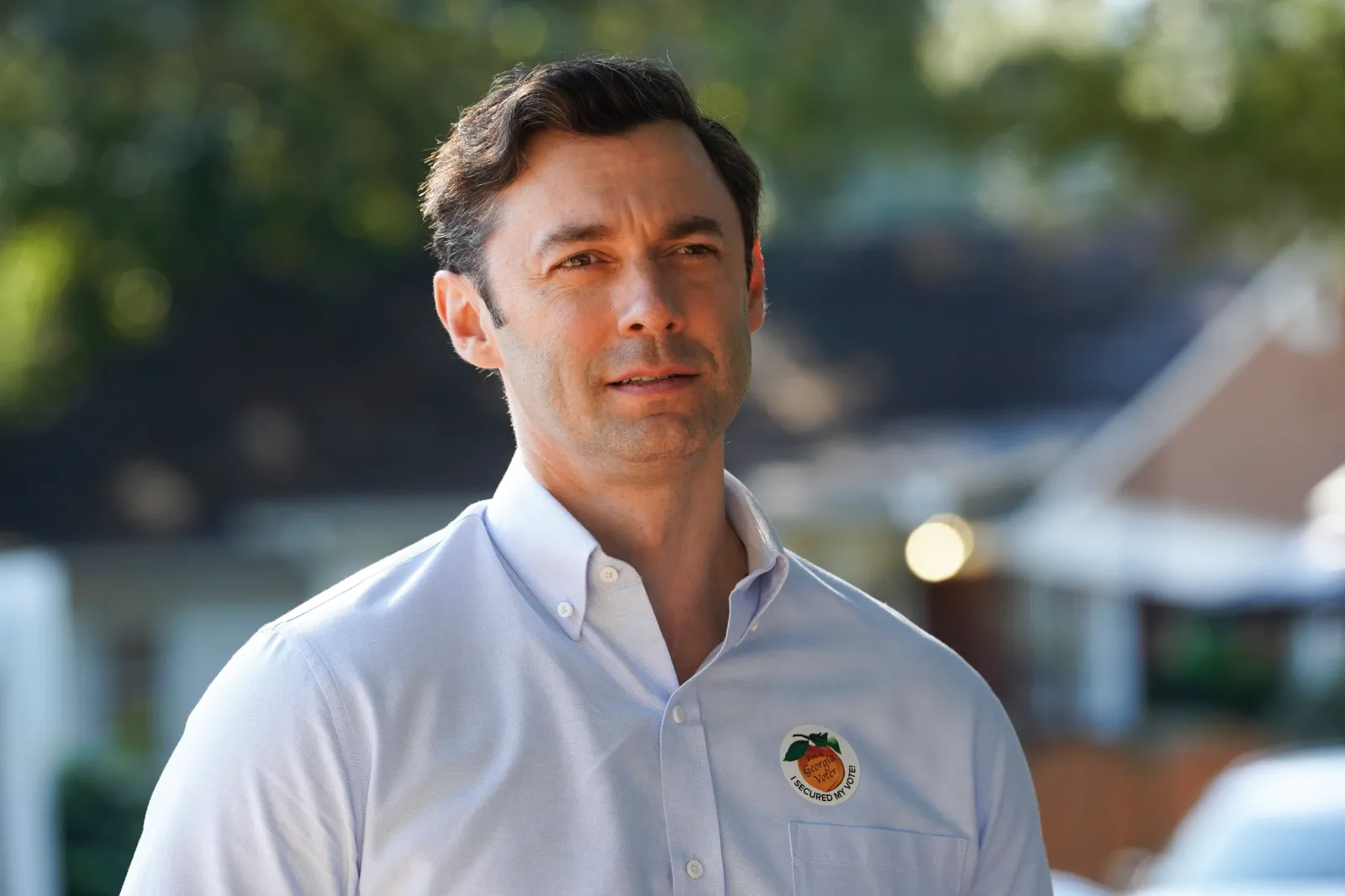 Senator Jon Ossoff (D-GA) can be seen speaking to members of the media.
newsweek.com
Senator Jon Ossoff (D-GA) can be seen speaking to members of the media.
newsweek.com
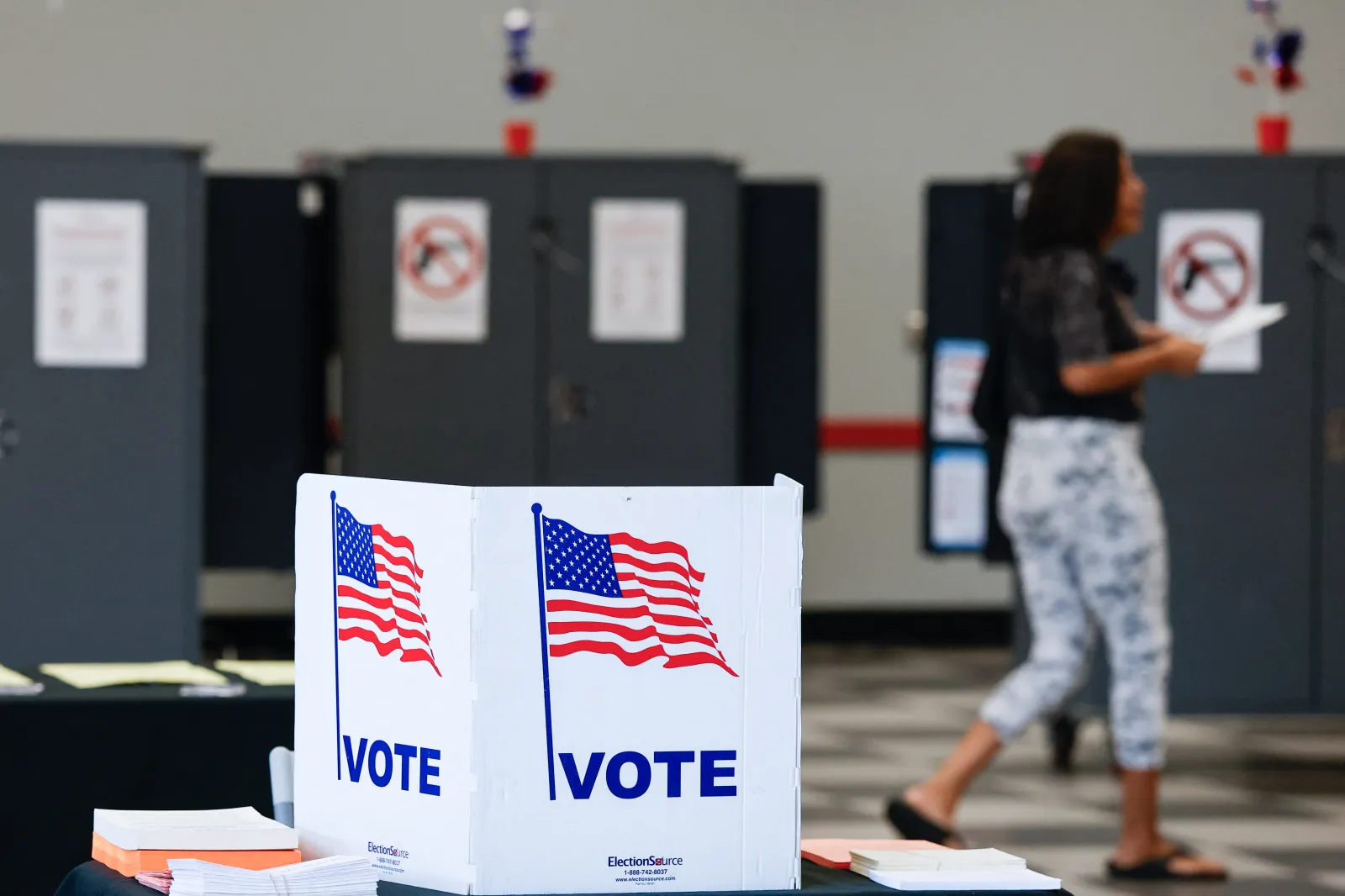 People vote at a polling location during early voting in the midterm election.
newsweek.com
People vote at a polling location during early voting in the midterm election.
newsweek.com
The Supreme Court on Wednesday blocked a lower court's order requiring the Federal Communications Commission to resolve a challenge to its political advertising policy within 48 hours. The unsigned order in FCC v. Brown was a 7-2 win for the Trump administration and the justices' second intervention in an escalating dispute over discounted ad rates ahead of the midterm elections.
The rules at issue come from federal law requiring broadcasters to give legally qualified political candidates their "lowest unit charge" — the most favorable rates — during the 45 days before a primary and the 60 days before a general election. In March, the FCC's Media Bureau issued guidance extending the discounts beyond candidates to political parties engaged in coordinated spending and to some joint fundraising committees. Four Democratic candidates — Sherrod Brown, Jon Ossoff, Roy Cooper and Kristen McDonald Rivet — challenged the guidance, arguing Congress reserved the discount for candidates themselves. In August, a divided Fourth Circuit panel agreed and set the guidance aside.
The candidates had gone to court while their own challenge was still pending before the full FCC, and that timing decided everything that followed. On September 4, the Supreme Court stayed the appeals court's ruling, saying the Fourth Circuit likely lacked jurisdiction — the Communications Act appeared to require the full FCC to decide the application first — and noting that the panel's position conflicted with every other federal appeals court to consider the issue. On October 7 the same panel tried another route, ordering the FCC to resolve the candidates' application by October 9. The agency went back to the Supreme Court.
Wednesday's order closed that round. A writ of mandamus, the Court wrote, is a "drastic and extraordinary" remedy improperly deployed here; the Communications Act requires the FCC to rule on applications before it but "does not obligate the Commission to act within a particular time frame." Justices Sonia Sotomayor and Ketanji Brown Jackson would have denied the stay.
None of this decides the question underneath — whether Congress meant parties and fundraising committees to receive candidates' rates. That question returns to the agency that wrote the guidance, on whatever schedule the agency chooses, while the guidance keeps operating through the election season.
The FCC must still act on the candidates' application, the Court noted. On when, the order said nothing.