
Adani won 24 of 31 NTPC tenders for coal India forced its power plants to import
Contracts guaranteed a fixed margin as world prices ran 131 percent higher, the 71 paise per unit rise in power costs landed on ordinary electricity bills
Images
 Design: Vidhi Awasthi
scroll.in
Design: Vidhi Awasthi
scroll.in
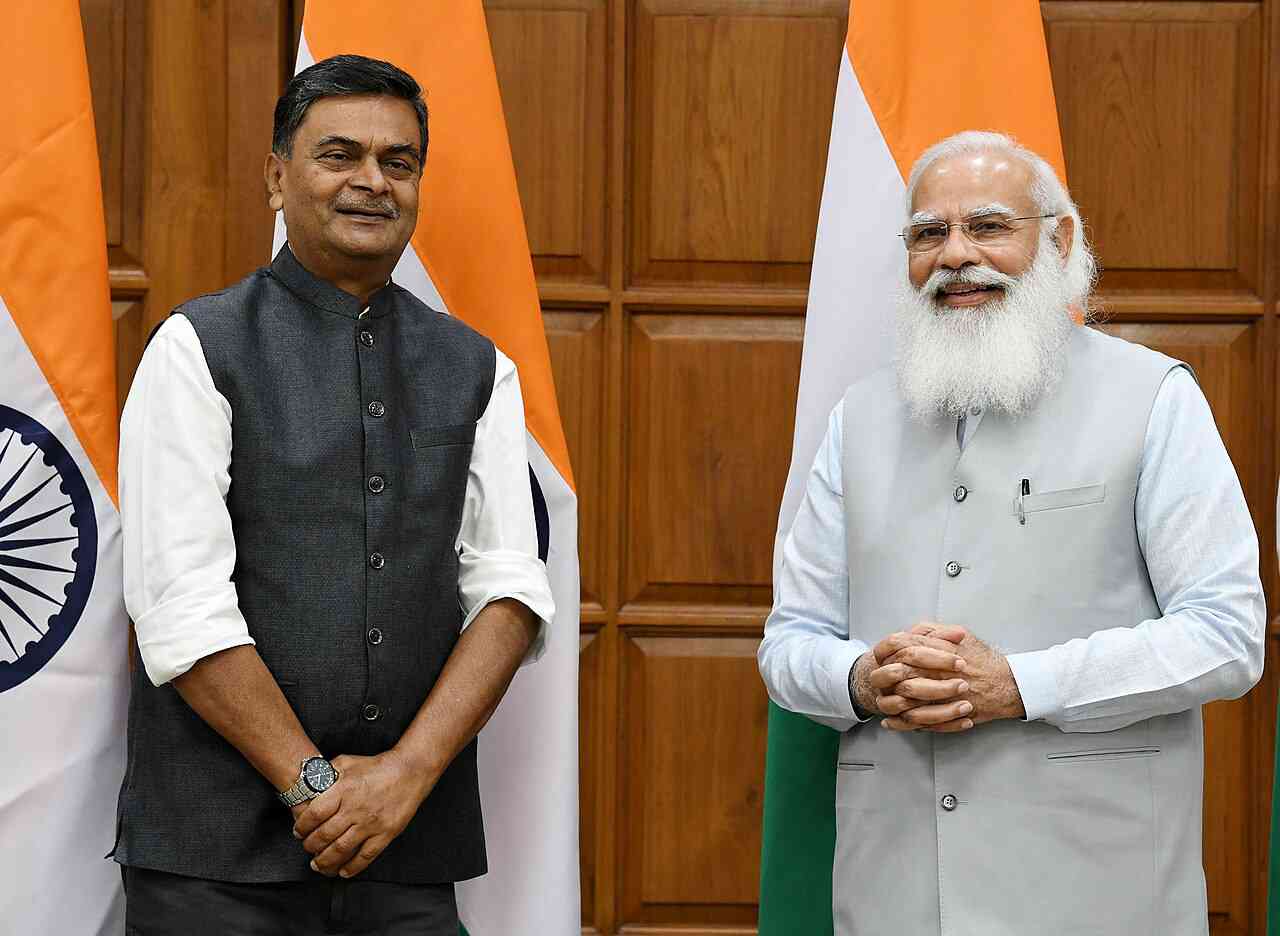 In this file photo from 2021, the then Union power minister RK Singh is seen with Prime Minister Narendra Modi. Photo: PIB
PIB
In this file photo from 2021, the then Union power minister RK Singh is seen with Prime Minister Narendra Modi. Photo: PIB
PIB
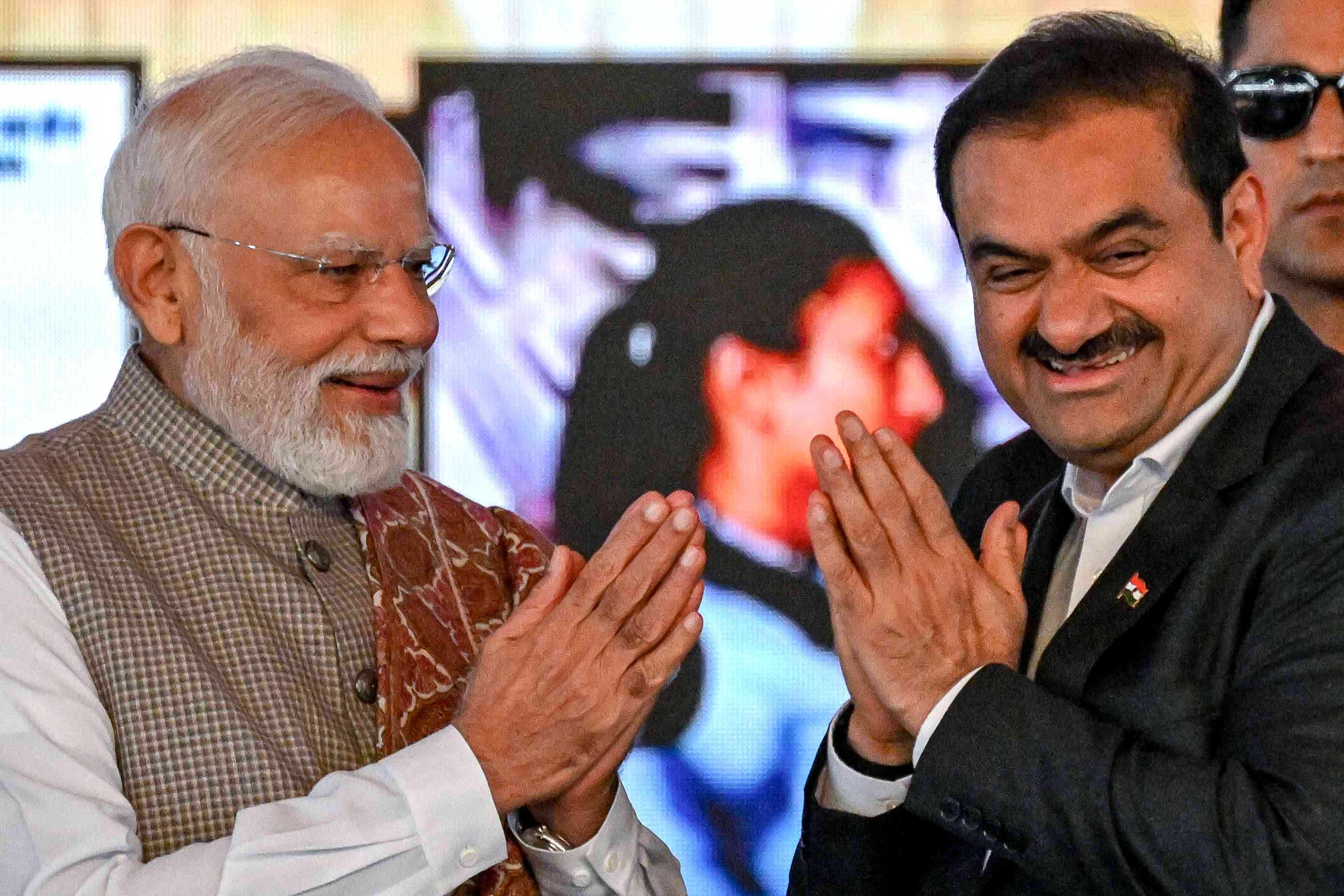 In this file photo from October 2025, Prime Minister Narendra Modi is seen with Gautam Adani, chairperson of the Adani Group. Photo: Punit Paranjpe/ AFP
Punit Paranjpe/ AFP
In this file photo from October 2025, Prime Minister Narendra Modi is seen with Gautam Adani, chairperson of the Adani Group. Photo: Punit Paranjpe/ AFP
Punit Paranjpe/ AFP
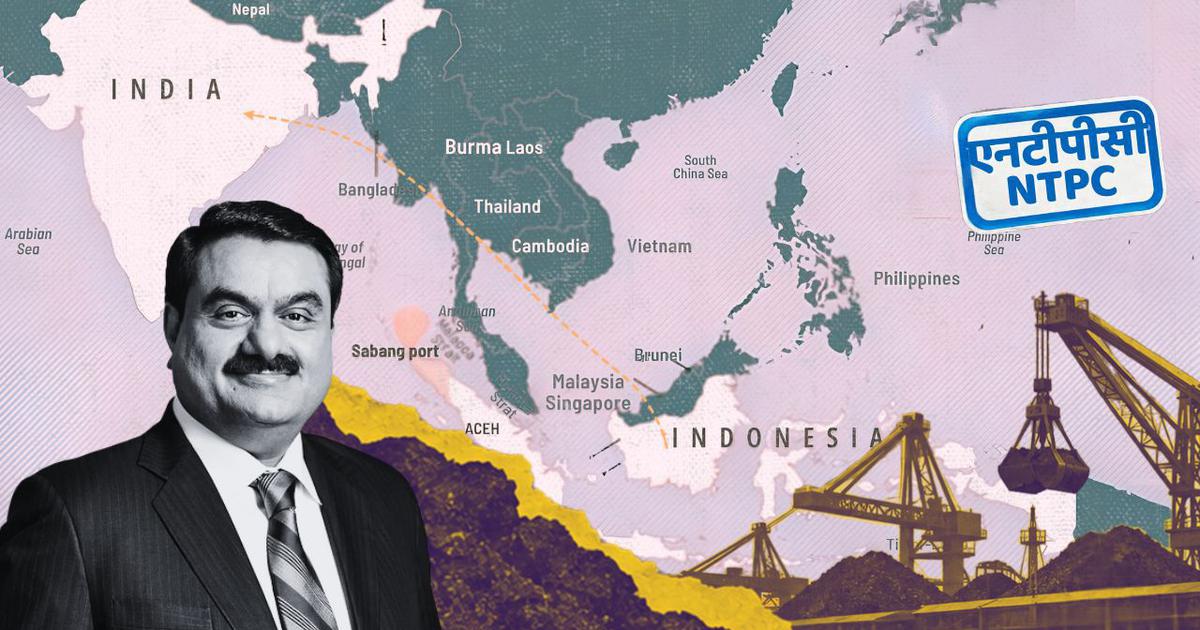
India's power ministry ordered every thermal power producer in the country to import 10 percent of its coal in May 2022, citing domestic shortages. Of the 31 import tenders that state-owned NTPC issued between December 2021 and April 2024 — together covering 30.16 million tonnes — Adani Enterprises won 24, according to an investigation by Scroll based on government correspondence obtained through Right to Information requests. The remaining seven went to Adi Tradelink, part of an Ahmedabad business group that Hindenburg Research had earlier alleged was used to route funds between Adani companies; the Adani Group denied the allegation.
The timing did the rest. International coal prices between April 2022 and January 2023 ran 131 percent higher than a year earlier, according to a report commissioned by India's 16th Finance Commission, and the NTPC contracts guaranteed both suppliers a fixed profit margin on top of prevailing coal prices and freight. Every price rise widened the profit per shipment. Adani Enterprises' annual report for 2022-23 described 'an astronomical rise' in volumes supplied to state and central power generators; its coal import business booked Rs 99,486 crore that year, double the previous year. The flagship firm's profit had jumped 200 percent in the 2022 financial year, with more than 70 percent of turnover coming from coal imports.
The documents show the ministry priced in the cost before issuing its order. State governments including Uttar Pradesh and Telangana warned that forced imports would cripple their finances, and Uttar Pradesh's energy minister cautioned that tariffs could rise by 75-80 paise per unit. The power minister replied the increase would not exceed 50-60 paise; a year later he conceded that average power purchase cost had risen by 71 paise. Plants that resisted were told their domestic coal allocation would be cut by 5 percent. NTPC, the largest importer of all, sits under the same Union power ministry that issued the mandate — and the increased fuel costs were eventually borne by ordinary consumers.
Most Indian thermal plants are engineered to burn domestic coal, and only coastal stations are built for imported fuel; imports had been falling until 2020, when the country's coal minister pledged that India would stop importing coal by 2023. Scroll sent questions to the power ministry, NTPC, the Adani Group and Adi Tradelink, and had received no response by publication.