
Houthis build own precision missiles from Chinese parts, Conflict Armament Research finds
Kheibar Shekan copy assembled in Yemen from interdicted Hodeidah shipments, movement that makes its own weapons answers to no one in Tehran
Images
 Yemen's Houthis look to build ballistic missiles with more Chinese supplies, report says
independent.co.uk
Yemen's Houthis look to build ballistic missiles with more Chinese supplies, report says
independent.co.uk
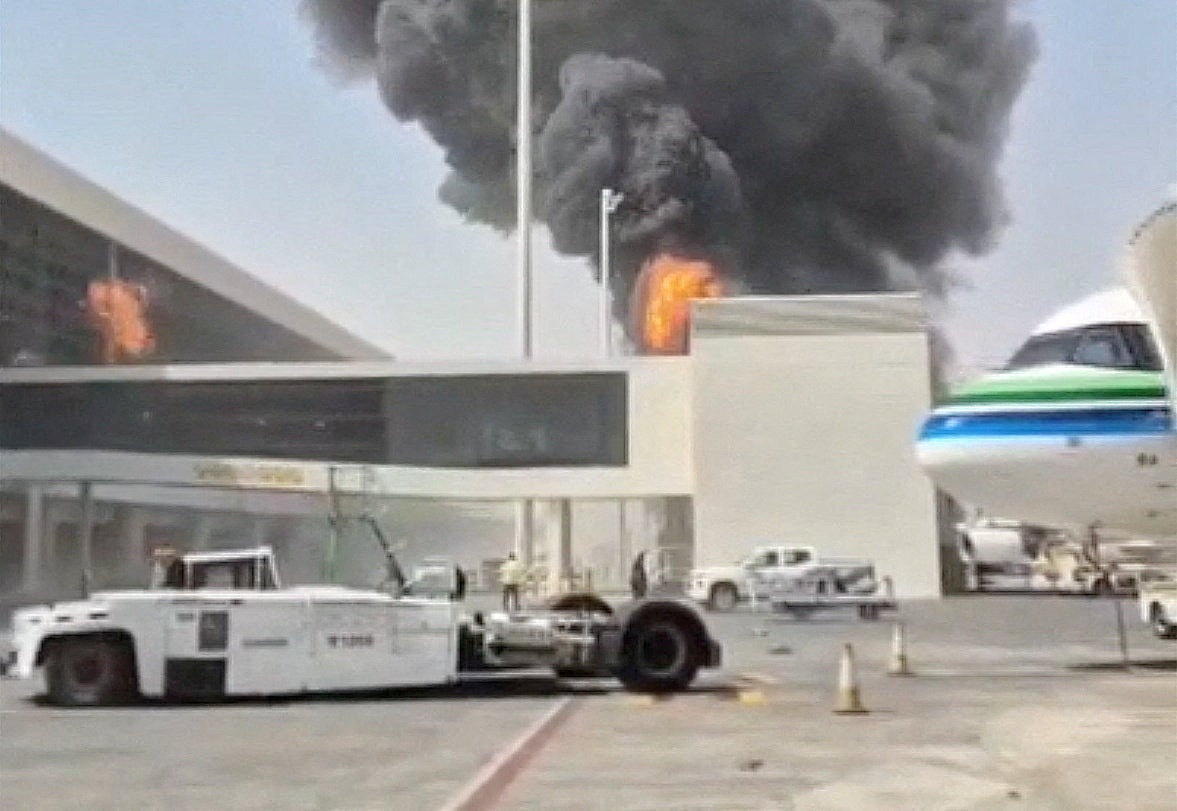 Drones and ballistic missiles, as the attacks on the Riyadh airport illustrate, give the movement the capacity to strike targets across much of Saudi Arabia (Social Media via REUTERS)
Social Media via REUTERS
Drones and ballistic missiles, as the attacks on the Riyadh airport illustrate, give the movement the capacity to strike targets across much of Saudi Arabia (Social Media via REUTERS)
Social Media via REUTERS
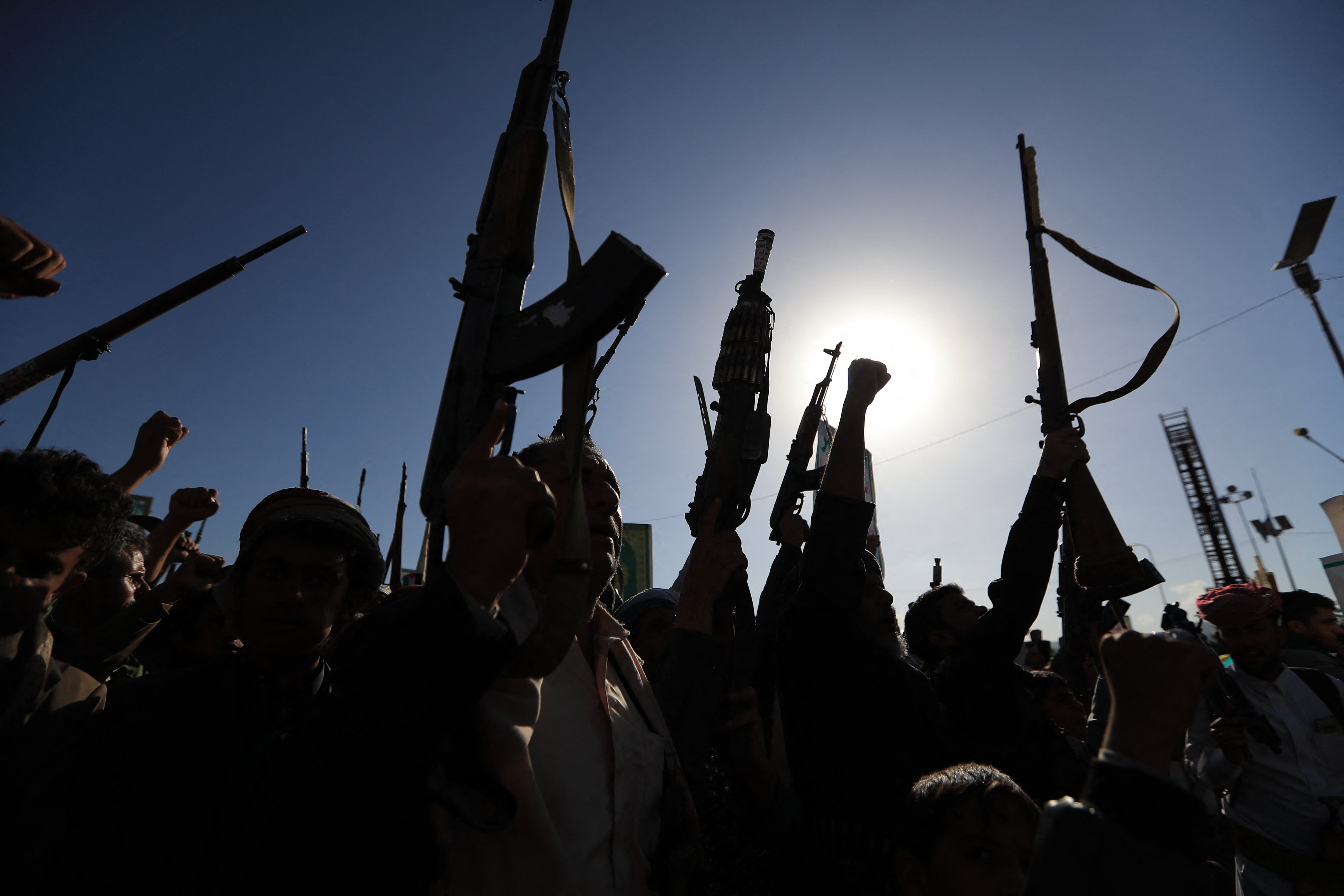 The targeting of civilian infrastructure in Saudi Arabia, particularly airports, illustrates the retaliatory logic the Houthis have invoked to justify their actions (AFP via Getty Images)
AFP via Getty Images
The targeting of civilian infrastructure in Saudi Arabia, particularly airports, illustrates the retaliatory logic the Houthis have invoked to justify their actions (AFP via Getty Images)
AFP via Getty Images
A report released Wednesday by Conflict Armament Research, the UK-based group that traces weapons flows in war zones, documents a Houthi attempt to build a version of Iran's Kheibar Shekan precision-guided ballistic missile — a system with a range of roughly 1,200 miles — using components sourced from Chinese suppliers. Yemeni government authorities interdicted two shipments bound for the port of Hodeidah in July, finding stabilizing fin cores, rocket motor closures with nozzle attachments, igniters, and phenolic resin used in ablative heat shields that protect warheads at supersonic speeds.
"These types of parts are very specific, and producing them would have required design information related to the missile," said Fabian Hinz, a senior analyst at the group. "This particular type of system is very difficult to smuggle. And you can't just disassemble and reassemble them." The finding points to something more consequential than sanctions-busting: a movement that assembles its own precision arsenal no longer depends on Iranian logistics to keep fighting.
The timing sharpens the point. Over the past week the Houthis struck Riyadh's international airport in an attack that killed at least 13 people and injured hundreds, penetrating Saudi air defenses in the most violent episode on Saudi soil since the start of the Iran war in February. The strike landed just as Saudi Arabia hosted a major conference for oil producers, and further barrages followed. Saudi Arabia and Yemen's internationally recognized government launched a military campaign last month aimed at driving the Houthis back from the Bab el-Mandeb Strait, through which roughly a tenth of world trade passes.
The movement, which emerged in 2004 and now controls about a third of Yemen's territory and two-thirds of its population, has spent 2026 working to reframe its war as a Yemeni national enterprise rather than an Iranian proxy operation. It has ignored reported Iranian appeals in July to close Bab el-Mandeb to shipping — a signal that Tehran's leverage over the group is thinner than the proxy label implies.
China, which accounts for the largest share of seized shipments destined for the Houthis according to UN reporting, has condemned the attacks on Saudi airports and called for de-escalation. Beijing brokered the 2023 rapprochement between Iran and Saudi Arabia and buys oil from both. The Chinese embassy in Washington did not respond to a request for comment.
The interdicted components left Hodeidah, a port Israeli officials say Iran has long used as a weapons transfer point, and were headed to a movement that already fired scores of drones and missiles at Israel, more than 1,000 miles away, before it learned to build them at home.