
Apple launches HomeView hub whose camera recognises who stands in front of it, 7-inch screen personalises apps and messages per family member and blanks when they walk away
Privacy-branded company ships a camera for the kitchen counter
Images
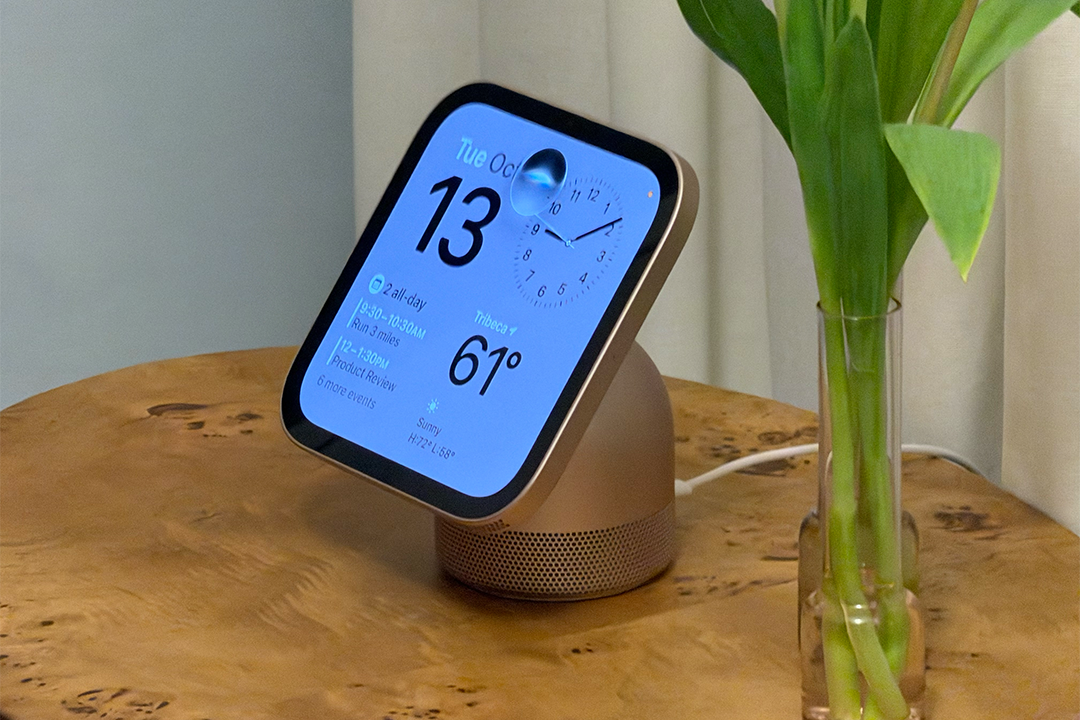 It looks a little like the HomePod mini (David Phelan/The Independent)
David Phelan/The Independent
It looks a little like the HomePod mini (David Phelan/The Independent)
David Phelan/The Independent
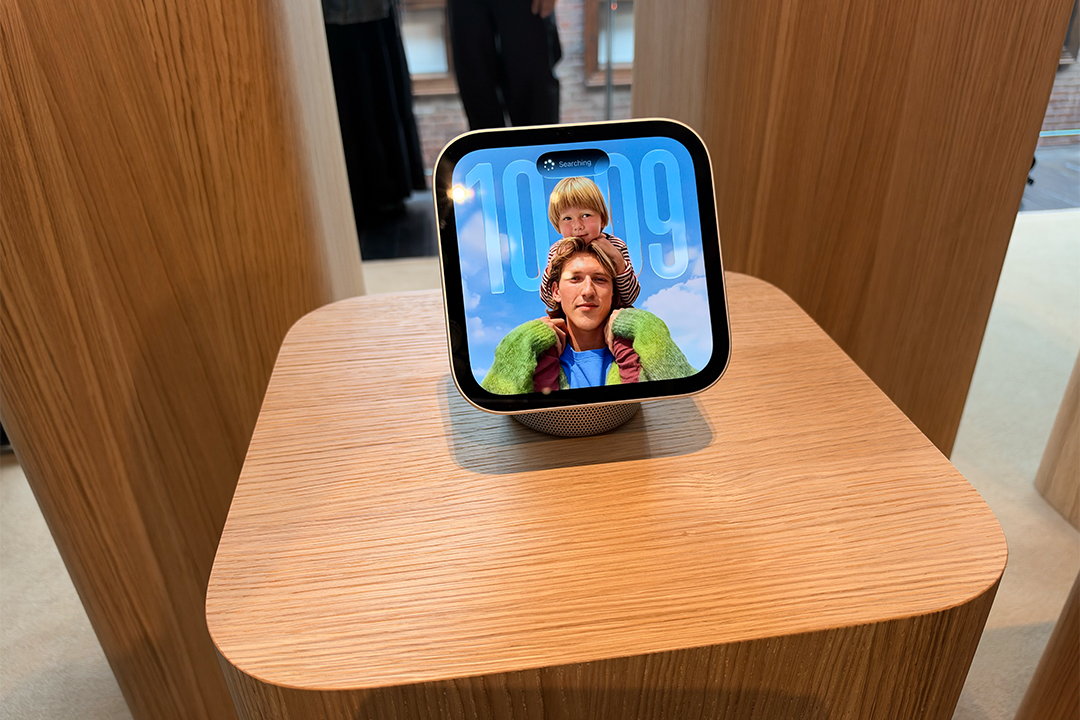 There are strong privacy settings, for example, text messages will only be shown to me (David Phelan/The Independent)
David Phelan/The Independent
There are strong privacy settings, for example, text messages will only be shown to me (David Phelan/The Independent)
David Phelan/The Independent
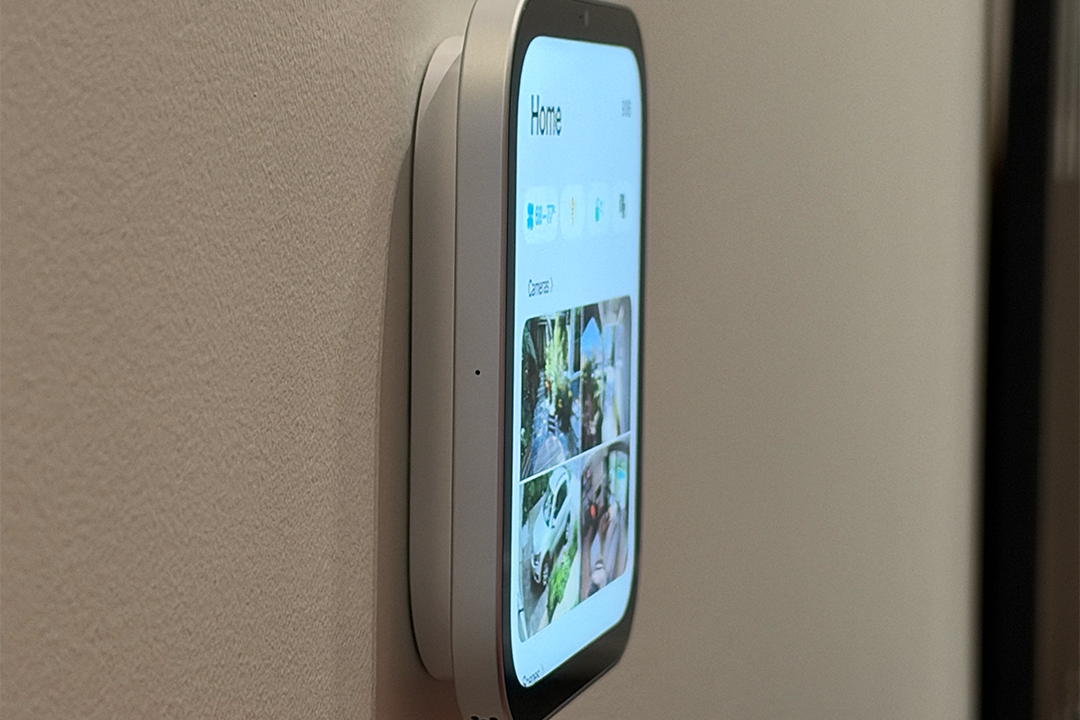 There’s a screen-only version that can be mounted on a wall (David Phelan/The Independent)
David Phelan/The Independent
There’s a screen-only version that can be mounted on a wall (David Phelan/The Independent)
David Phelan/The Independent
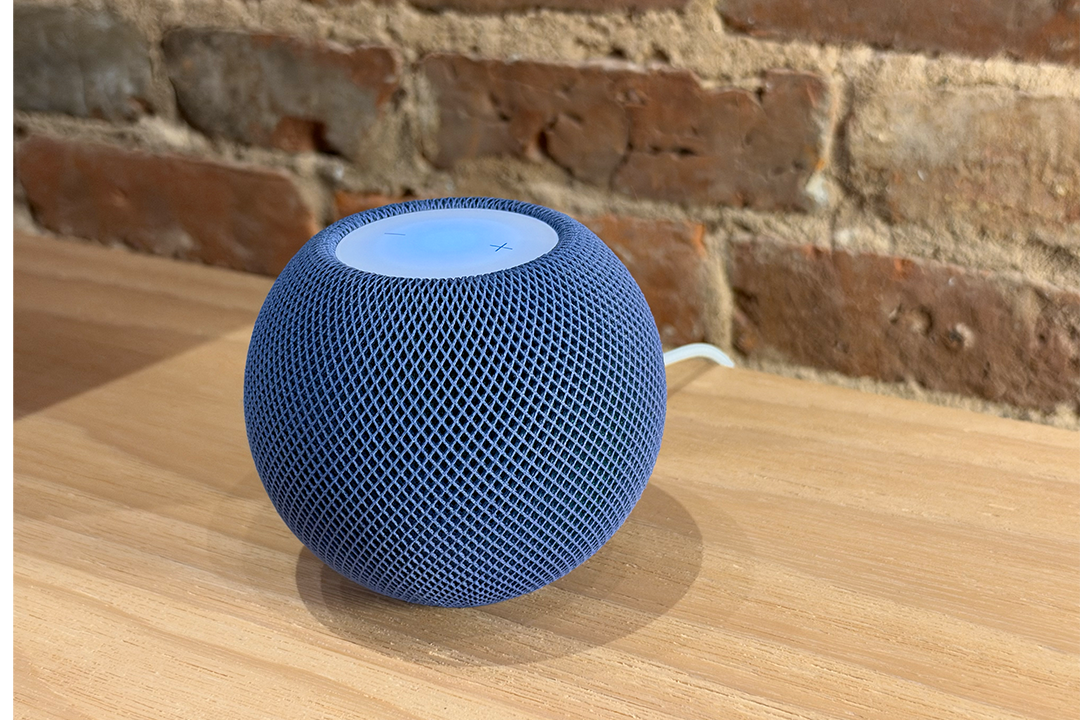 The new smart speaker has a new feature called SoundGlow (David Phelan/The Independent)
David Phelan/The Independent
The new smart speaker has a new feature called SoundGlow (David Phelan/The Independent)
David Phelan/The Independent
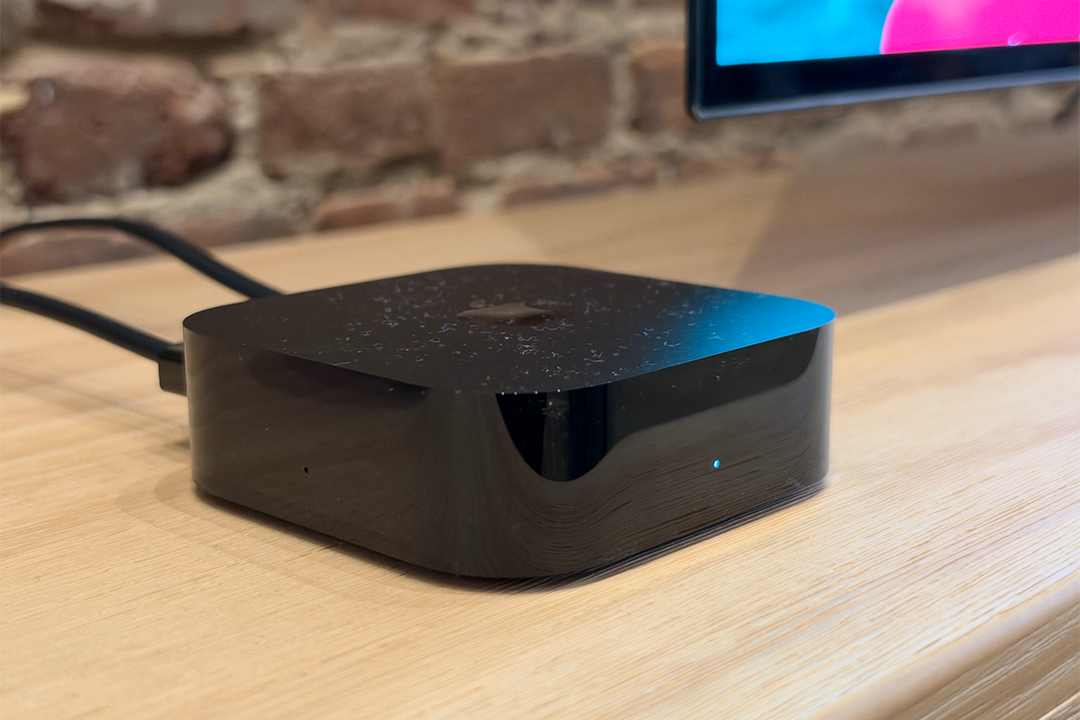 The Apple TV 4K is an upgrade to its predecessor (David Phelan/The Independent)
David Phelan/The Independent
The Apple TV 4K is an upgrade to its predecessor (David Phelan/The Independent)
David Phelan/The Independent
Apple has unveiled the HomeView, a smart-home hub whose built-in camera recognises whoever steps in front of it and changes what the screen shows accordingly. Announced in New York, the device is a square 7-inch display on an aluminium dome — something like a larger HomePod mini — joined by a stainless-steel hinge so it can be angled from a low table, a workbench or a high shelf. The pitch is stated without euphemism: the HomeView "knows who you are and what to show you."
The mechanics are household recognition, sold as convenience. A 12-megapixel Centre Stage camera in the display frame identifies the person standing there, and the screen takes on that person's apps, wallpaper and messages. Text messages appear only for the recognised user — The Independent's David Phelan, given a first look, notes his own messages will only ever be shown to him — and when the recognised user walks away, the screen quickly shuts off the content. Siri, in what Apple describes as a new, smarter version, pulls up a recipe someone sent by text and reformats it: ingredients first, timers embedded, steps advanced by swipe or voice while cooking. A screen-only variant mounts on the wall, its speakers better suited to talking to whoever rings the video doorbell than to filling a room.
The hub anchors a hardware system. The first Apple Home Collection accessories — an LG indoor camera that turns itself down when it senses the user is home, an outdoor camera with optional floodlights, and a video doorbell with a second, downward-facing camera to check whether a parcel has been left — arrive in December.
Apple has built its brand differentiation on privacy, and the gestures are real: the screen that goes dark, the camera that points at the floor when the household is home. But recognition is the feature. The device's value proposition is a camera on the kitchen counter that decides who sees what — a sensor in every room, plus a services tail. It arrives in the first product cycle under chief executive John Ternus, weeks after his first iPhone launch, with the smartphone a mature market and the home cast as the next platform.
The indoor camera from LG points at the floor when it senses you are home; the hub on the counter recognises whoever walks up to it.