
Iowa's water quality becomes a midterm campaign issue
Des Moines utility once paid 16,000 dollars a day to remove nitrates and lost its lawsuit against upstream counties, second-highest US cancer rate meets an EPA review opened in 2017 and never finished
Images
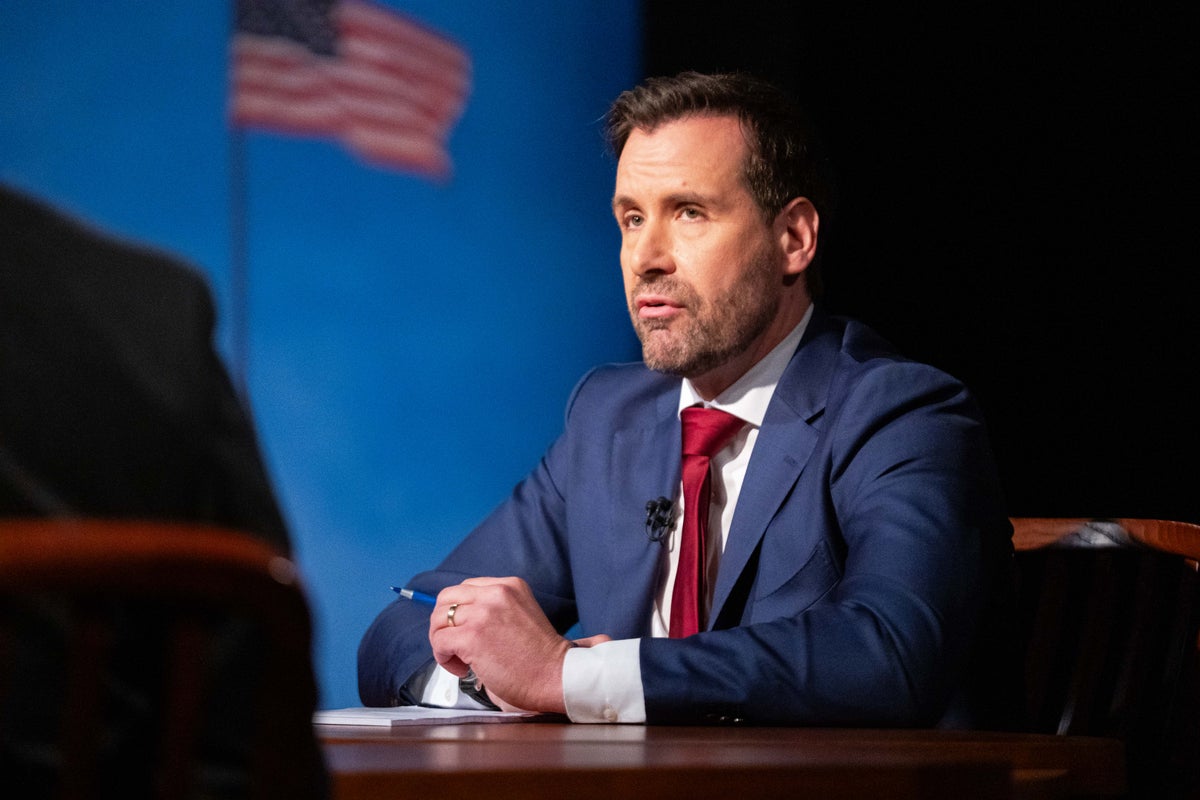 Iowa faces a reckoning over water quality and cancer rates in midterm campaigns
independent.co.uk
Iowa faces a reckoning over water quality and cancer rates in midterm campaigns
independent.co.uk
Last year Central Iowa Water Works issued the first lawn-watering ban in its history. The target was not water waste as such but demand on the facilities that strip nitrates out of the Des Moines area's drinking water, after back-to-back years of restrictions on water use across the region.
This year the nitrates reached the campaign trail. Water quality and cancer rates now appear in debate questions, roundtable events and campaign advertising from candidates of both parties, up and down the ballot, in a state where the subject was historically taboo — to avoid pointing fingers, as the Independent reports, at the powerful agricultural industry.
Iowa is one of the country's top producers of corn, soybeans and hogs. Chemical fertilizers and animal waste carry nitrates and phosphorus that rain and snowmelt wash into its rivers. The state's more liberal urban centers drink from those rivers and lakes; the mostly conservative stewards of the farmland sit upstream. More than a decade ago the Des Moines-area utility sued the counties upstream to make them share the cost of removing nitrates — the utility was paying roughly 16,000 dollars a day at the time — and the suit was dismissed, with Iowa's Republican leaders celebrating the ruling. Critics say the absence of regulation leaves downstream Iowans paying for pollution they did not produce.
The state spends nearly 100 million dollars a year on its nutrient reduction strategy. In May, Republican Governor Kim Reynolds and lawmakers committed a further 320 million dollars to water infrastructure, conservation incentives and related projects, millions of it to Central Iowa Water Works for new removal equipment.
The health numbers sit alongside the spending. Iowa has the second-highest rate of newly diagnosed cancers in the country, with prostate, breast and lung cancers rising faster there than in the United States overall, in rural areas as well as cities. New state-funded research at the University of Iowa finds that most — but not all — of Iowa's above-normal rates for five cancers can be explained by demographic and behavioral factors such as smoking and binge drinking. The environmental factors, nitrate levels first among them, are what the researchers intend to assess next.
Josh Turek, the Democrat running for the United States Senate, put the case to cancer patients last week: "The real issue is the water and the nitrates. Every Iowan deserves when they turn on the tap to ensure that their water is clean and not giving them cancer." His Republican opponent, Congresswoman Ashley Hinson, has convened farmers, researchers and local officials on the same subject. "We all know we have some challenges here in Iowa," she said, adding that she does not consider water quality a partisan issue and that Iowans can feel safe, because the tap water meets federal regulations.
The Environmental Protection Agency does not classify nitrates as a cancer risk. The agency opened a review of that question in 2017; under successive administrations it has been stalled, revived and stalled again.