
CVS pays 315 million dollars to settle US opioid prescription case
Chain admits no wrongdoing while DEA orders it to monitor itself, alleged prescriptions ran to December 2025 after a near-five-billion-dollar settlement in 2022
Images
 'Barron's Roundtable' panelists discuss calls of a breakup for CVS prompting a strategic review.
foxbusiness.com
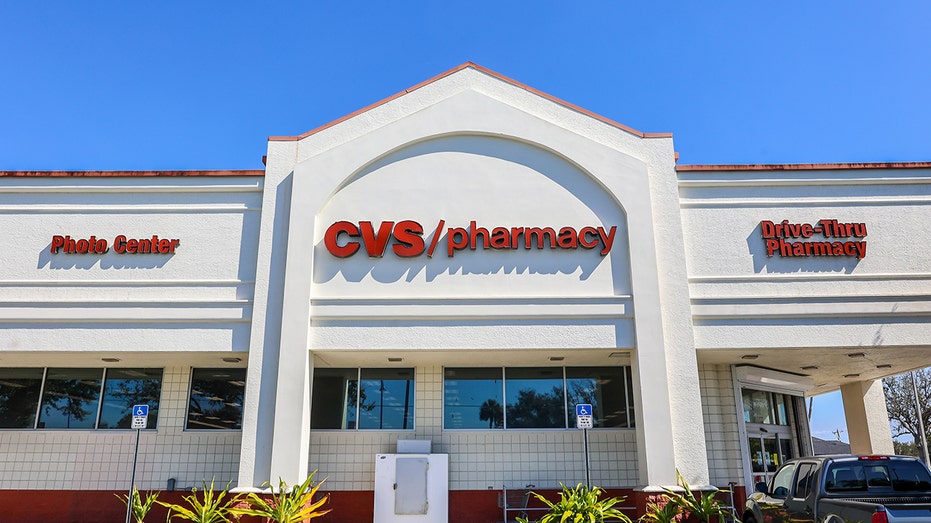 A CVS pharmacy store
foxbusiness.com
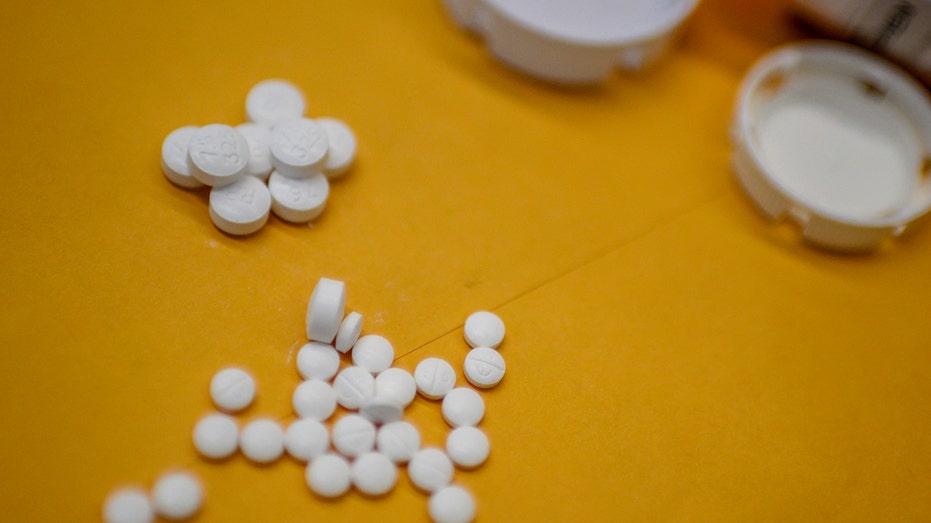 Oxycodone tablets
foxbusiness.com
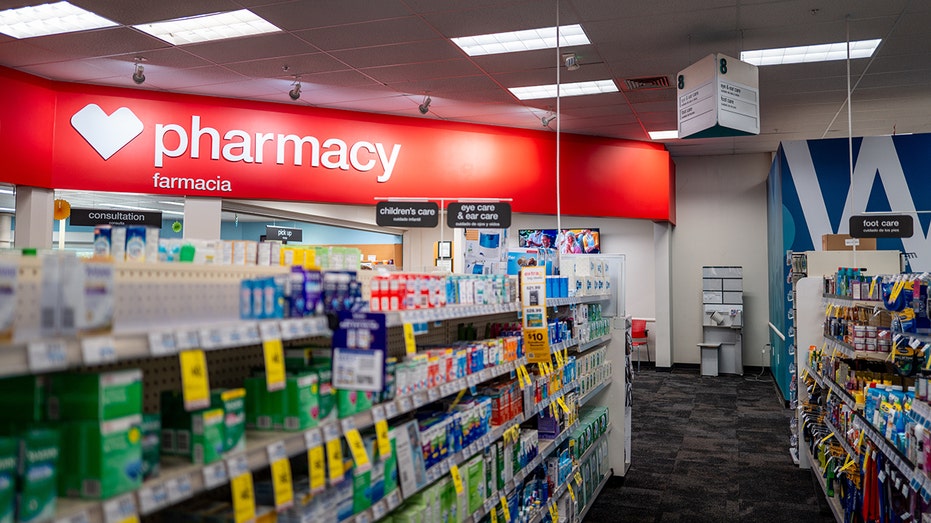 exterior of a CVS pharmacy
foxbusiness.com
CVS will pay 315 million dollars to the Justice Department to resolve allegations that it filled prescriptions for opioids and other controlled substances without a legitimate medical purpose — and then sought payment for many of them from Medicare and other federal health care programs. The federal government brought the case in 2024. The prescriptions at issue run from October 2013 to December 2025.
Prosecutors said CVS pharmacists filled prescriptions despite warning signs, or "red flags," indicating a high probability they were illegitimate: excessive quantities of opioids, early refills, and so-called "trinity" combinations of an opioid, a benzodiazepine and a muscle relaxant. Many prescriptions came from "pill mill" prescribers issuing large volumes with no medical purpose, and many were billed to federal programs and reimbursed. In its allegations the department located the cause not in any named person but in the machinery: CVS's corporate performance metrics, incentive compensation and staffing policies, it said, prioritized profits over patient safety and contributed to the violations.
CVS disputed the allegations and admitted no wrongdoing. "Our more than 27,000 CVS pharmacists do their part to help keep America healthy and are highly trained in the safe and appropriate use of all medications," the company told Reuters. Associate Attorney General Stanley E. Woodward Jr. called the settlement a milestone in the fight against the opioid epidemic, one that "holds bad actors accountable for their fraudulent activities" and leaves Americans safer because of it. The actors identified in the department's allegations are metrics, pay policies and staffing levels. What the settlement binds is the corporation.
Beyond the payment, CVS entered an agreement with the Drug Enforcement Administration. The chain must establish a hotline for employees and the public to report suspected illegal dispensing, proactively monitor dispensing patterns at its pharmacies, and implement procedures for evaluating prescribers suspected of illegally prescribing controlled substances. The department said CVS's own incentives crowded out patient safety; the monitoring is now assigned, by contract, to CVS itself.
Walmart, facing similar allegations over its own pharmacies, agreed to a 50-million-dollar settlement. CVS agreed to nearly five billion in 2022 to settle thousands of opioid claims brought by state, local and Native American tribal governments. The prescriptions in the present case ran through December 2025.