
UK children log 53 school days on social media since ban announced
Under-16 protections wait until March 2027, tracker projects 736 hours per child before the ban binds
Images
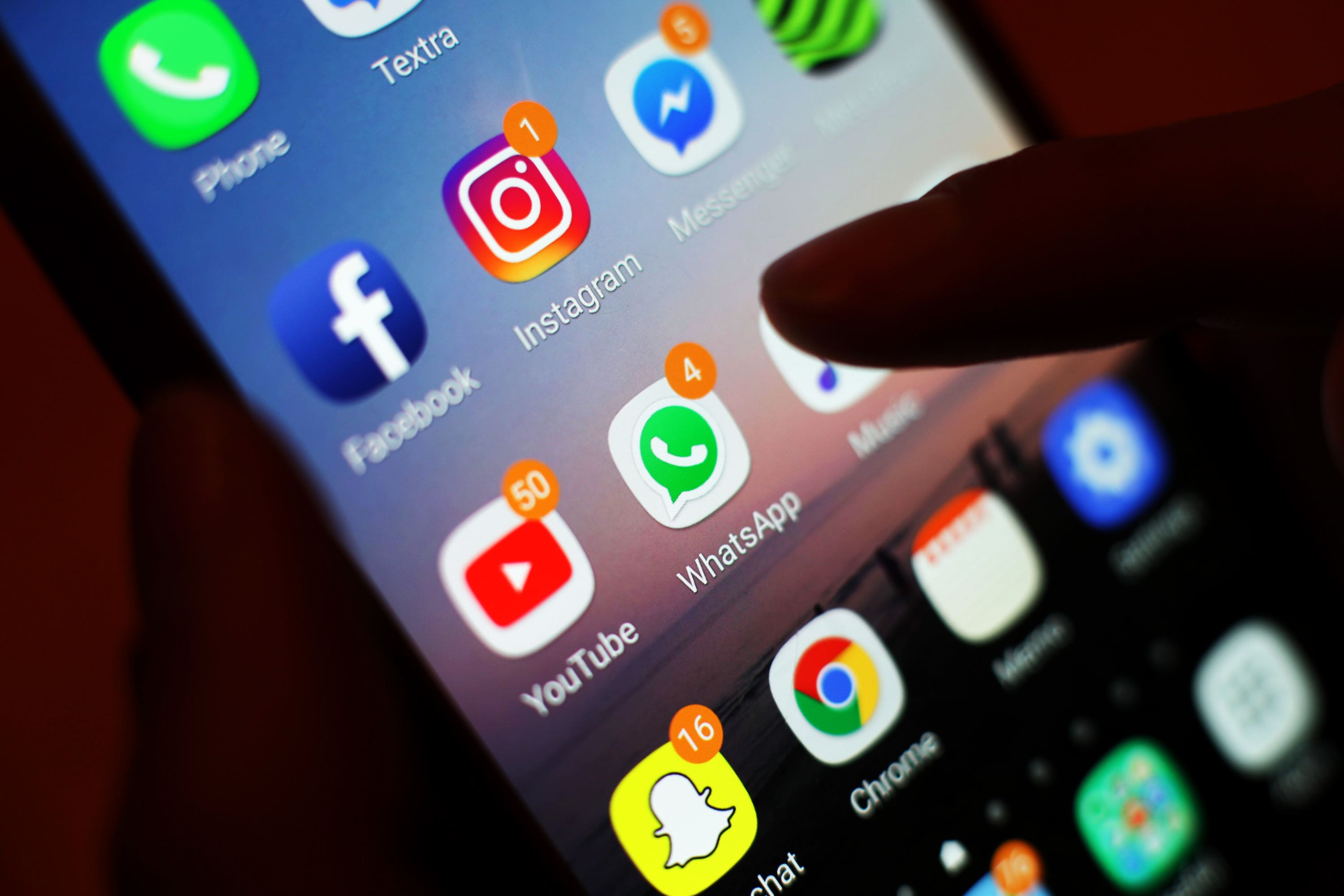 The average child in the UK has spent almost 53 school days on social media since the government announced a social media ban (PA Wire)
PA Wire
The average child in the UK has spent almost 53 school days on social media since the government announced a social media ban (PA Wire)
PA Wire
 Platforms like Snapchat, TikTok, YouTube, Instagram, Facebook and X will all come under the ban (AFP/Getty)
AFP/Getty
Platforms like Snapchat, TikTok, YouTube, Instagram, Facebook and X will all come under the ban (AFP/Getty)
AFP/Getty
The average British child has spent almost 53 school days on social media since Keir Starmer announced a ban for under-16s, according to a live tracker published by the Big Tech's Little Victims campaign. The ban does not take effect until March 2027, and the tracker counts only the four months since the 16 June announcement.
In those four months nothing has changed for the platforms. Snapchat, TikTok, YouTube, Instagram, Facebook and X remain open to anyone who signs up, and thousands of 13-year-olds have started using them for the first time since the announcement — accounts that stay active until March 2027. WhatsApp and Signal are excluded from the ban altogether. The government has yet to publish the enforcement detail: who verifies a child's age, and what happens to a platform that fails to.
The campaign is led by the National Education Union with a coalition of experts and community leaders. Its general secretary, Daniel Kebede, calls the commitment to raise the access age to 16 an important step — “but the clock is still ticking for children.” The platforms, he points out, know exactly when a user turns 13, while teachers watch harmful online content shape pupils' behaviour, attitudes and language every day, and parents manage the fallout at home.
Full Fact, the fact-checking charity, attacks from the other side: the ban is “a de facto surrender in the fight against harmful online misinformation” that “gives social media companies a free pass.” Young people get their information predominantly from social media, says the charity's head of public affairs, Mark Frankel — and a government that speaks of extending democratic participation to 16- and 17-year-olds is, in his words, “taking with one hand and giving with another.”
The parents who pushed for the ban count in years. Ellen Roome, whose son Jools Sweeney died aged 14 in 2022, was among a group who met Starmer in Downing Street about a month before the announcement. “It's too late for our children,” she told The Independent, “but we can do something for the rest of the children.” Online safety campaigners who believe they lost children to internet challenges had welcomed the ban.
A Department for Culture, Media and Sport spokesperson pointed to £132.5 million of investment; the announcement itself promised more age verification and further measures against AI chatbots, on the model of Australia's ban. The tracker projects the rest of the wait at around 736 hours per child — between 16 June and the first day any of it binds.