
UK asks Interpol to reject Argentina's Falklands oil arrest requests
Red notices target Sea Lion project figures as Milei criminalises involvement, Britain deploys trading-interests laws to shield companies
Images
 The road from Mount Pleasant to Stanley on the Falkland Islands. Photograph: Sean Smith/The Guardian
theguardian.com
The road from Mount Pleasant to Stanley on the Falkland Islands. Photograph: Sean Smith/The Guardian
theguardian.com
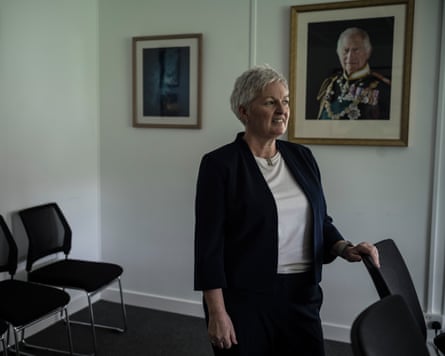 The chief executive of the Falkland Islands, Dr Andrea Clausen, in the room where Argentinian forces surrendered. Photograph: Sean Smith/The Guardian
theguardian.com
The chief executive of the Falkland Islands, Dr Andrea Clausen, in the room where Argentinian forces surrendered. Photograph: Sean Smith/The Guardian
theguardian.com
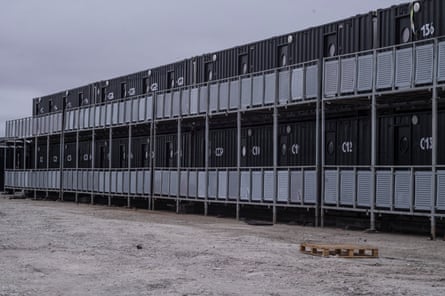 Containers for housing oil workers on the Falkland Islands. Photograph: Sean Smith/The Guardian
theguardian.com
Containers for housing oil workers on the Falkland Islands. Photograph: Sean Smith/The Guardian
theguardian.com
Britain has written to Interpol's headquarters in Lyon asking the organisation to reject Argentina's red notice requests for the arrest of individuals involved in the Sea Lion oil project off the Falkland Islands, arguing that the requests are politically motivated. UK officials describe the intensity of Argentinian pressure over the islands as unmatched since the 1982 war.
Sea Lion, in the North Falkland Basin, has the potential to triple the Falkland Islands' GDP. President Javier Milei has vowed to block it, and Argentina's strategy includes attempts to criminalise those involved in the project and to deter other investors — an escalation of a campaign that has already moved against the companies working there. UK government sources describe the effort as an attempt to bully people and companies out of working in the islands.
Interpol screens red notices before circulating them to enforcement agencies. The organisation has told the British government it will respect article 3 of its constitution, which forbids the undertaking of any intervention or activities of a political character. "One would hope that Interpol wouldn't necessarily take action," said Andrea Clausen, chief executive of the Falkland Islands government — photographed for the Guardian's report in the room where Argentinian forces surrendered in 1982 — adding that those with an interest "have had a look at certain sections of Interpol's constitution to see what we think it could mean."
Foreign secretary Ed Miliband has told MPs that Britain will protect businesses working in the Falklands through protection of trading interests legislation, which allows the government to issue orders forbidding British individuals and companies from complying with specific foreign laws, and opens the possibility that those affected by Argentinian legal pressure could claim damages in UK courts. "Companies should be free to make lawful commercial decisions without the threat of political coercion," Miliband said.
Buenos Aires cannot stop the project at sea, so the fight has moved into the legal system: Argentina issues arrest requests designed to follow individuals across borders, and London answers with statutes that make complying with Argentinian law an offence in Britain. The 1982 war, ordered by the then dictator General Leopoldo Galtieri, lasted 74 days and cost the lives of 649 Argentinian military personnel, 255 British military personnel and three Falkland Islanders.
Once a red notice is circulated, each of Interpol's member states decides for itself whether to act on it.