
911 dispatchers suspected Tennessee's failed execution call was a prank, released audio shows confusion that delayed ambulance for Christa Pike
State's most absolute power exercised with no one accountable
Images
 911 dispatch audio from Christa Pike's failed execution shows chaos, confusion delayed emergency response
foxnews.com
911 dispatch audio from Christa Pike's failed execution shows chaos, confusion delayed emergency response
foxnews.com
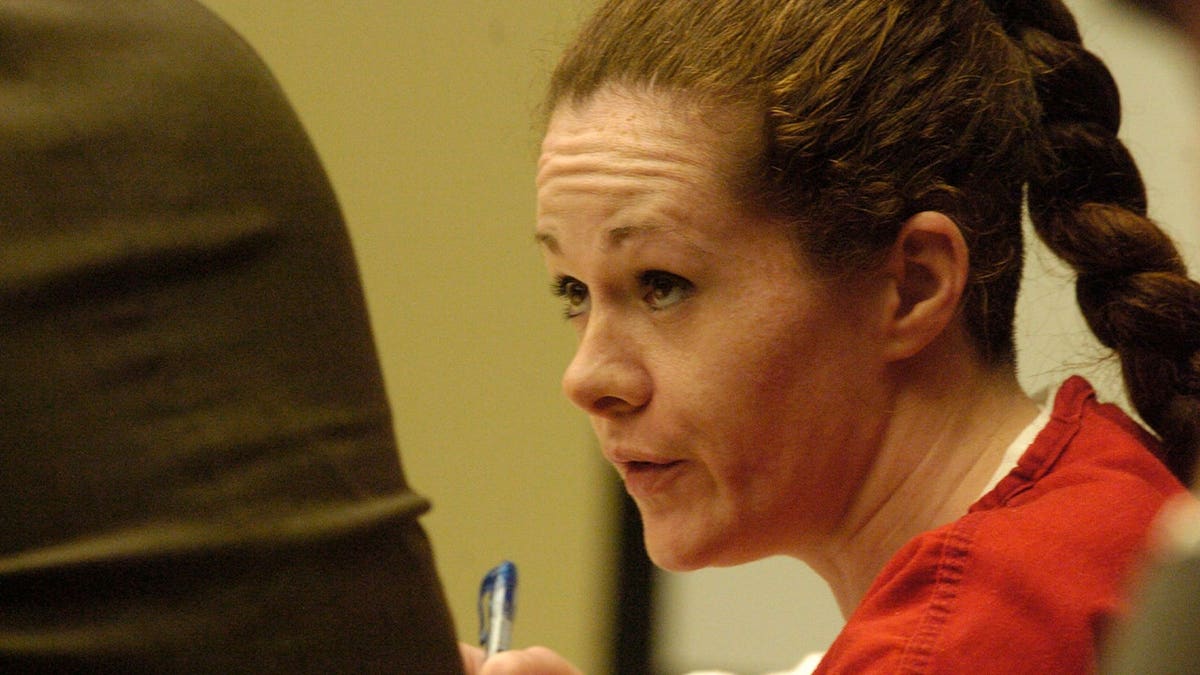 Convicted killer Christa Gail Pike listens to proceedings on April 2008 in Knox County Criminal Court in a bid for a new trial in the 1995 killing of fellow Job Corps student Colleen Slemmer.
foxnews.com
Convicted killer Christa Gail Pike listens to proceedings on April 2008 in Knox County Criminal Court in a bid for a new trial in the 1995 killing of fellow Job Corps student Colleen Slemmer.
foxnews.com
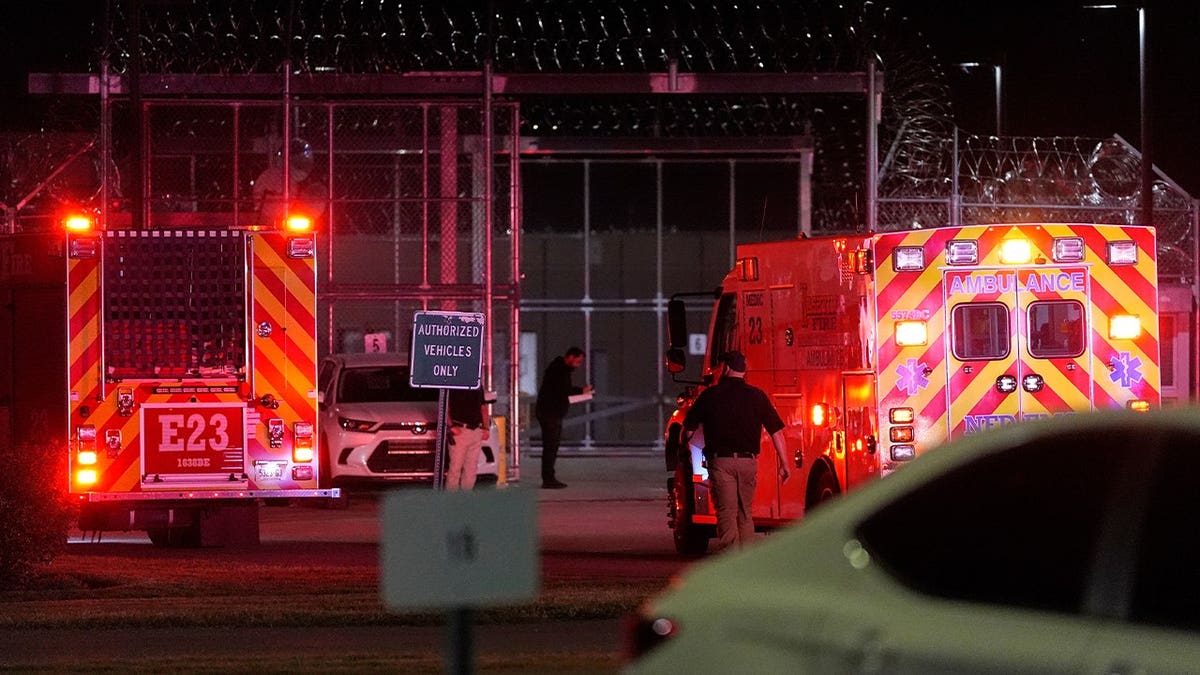 Emergency vehicles arrive at Riverbend Maximum Security Institution after the execution of Christa Pike was halted Wednesday, Sept. 30, 2026, in Nashville, Tenn.
foxnews.com
Emergency vehicles arrive at Riverbend Maximum Security Institution after the execution of Christa Pike was halted Wednesday, Sept. 30, 2026, in Nashville, Tenn.
foxnews.com
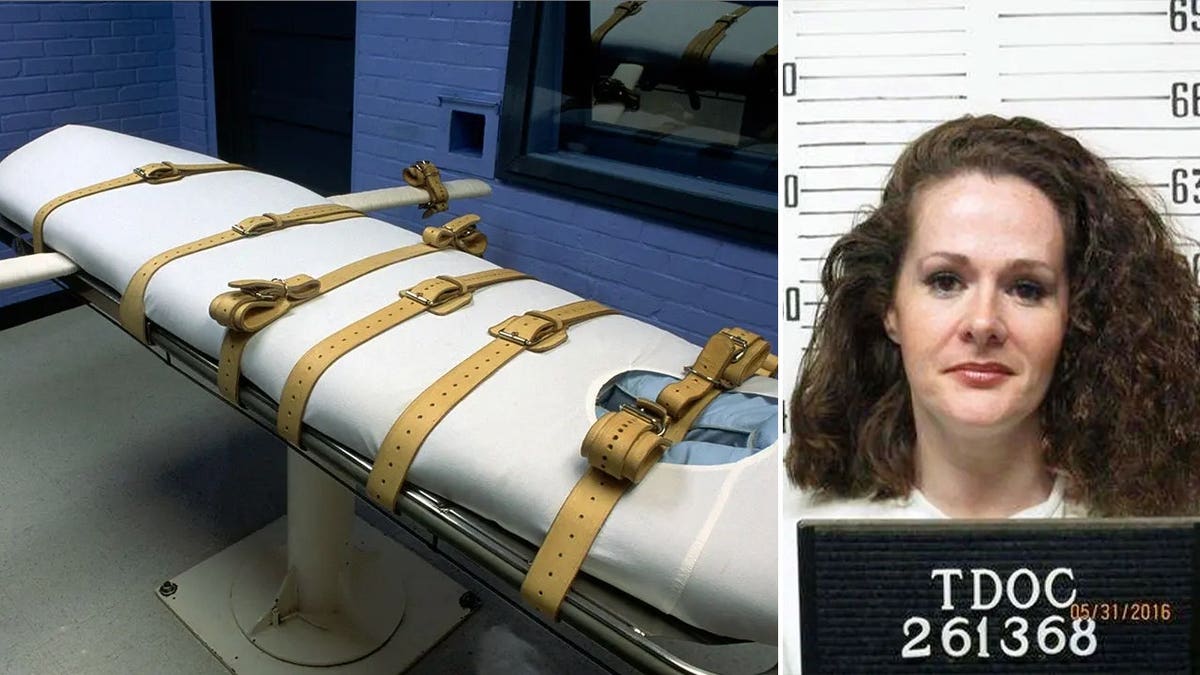 A composite image shows a lethal injection gurney and a Tennessee Department of Correction booking photo of Christa Pike, the death row inmate whose attorneys say she remains hospitalized after a failed execution attempt.
foxnews.com
A composite image shows a lethal injection gurney and a Tennessee Department of Correction booking photo of Christa Pike, the death row inmate whose attorneys say she remains hospitalized after a failed execution attempt.
foxnews.com
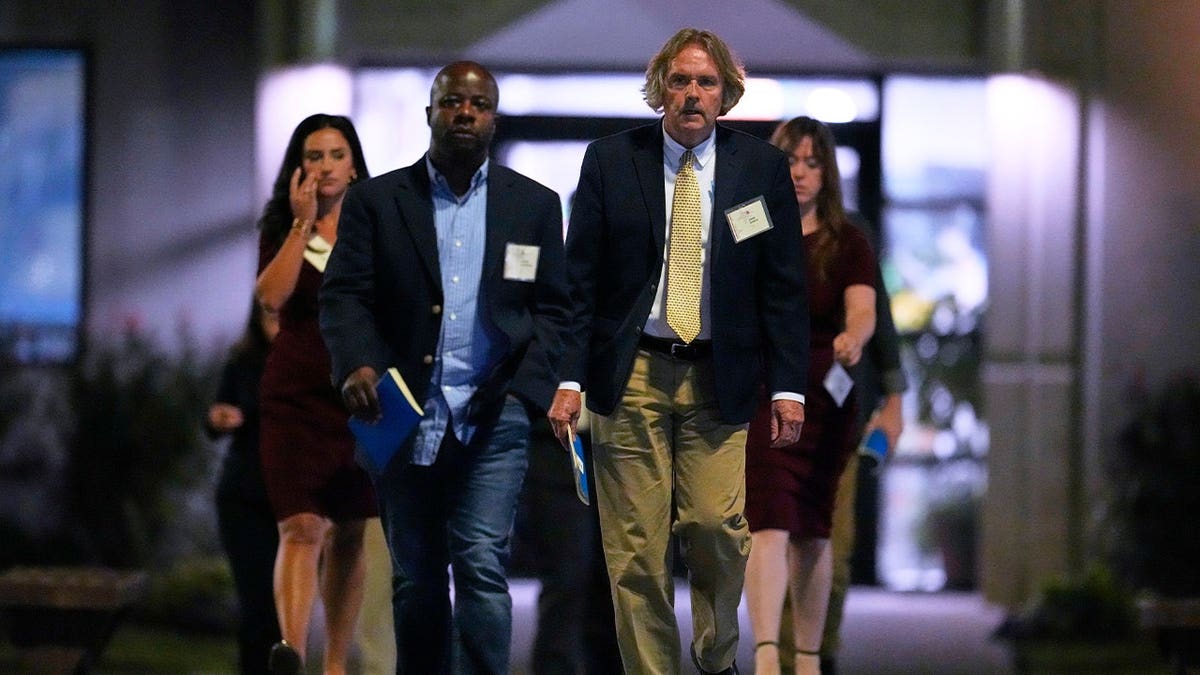 Media witnesses leave Riverbend Maximum Security Institution after the execution of Christa Pike was halted Wednesday, Sept. 30, 2026, in Nashville, Tenn.
foxnews.com
Media witnesses leave Riverbend Maximum Security Institution after the execution of Christa Pike was halted Wednesday, Sept. 30, 2026, in Nashville, Tenn.
foxnews.com
When Tennessee's Department of Correction failed to execute Christa Pike on Sept. 30, the emergency call that followed was so unusual that 911 dispatchers first tried to determine whether it was a prank. "We are trying to find out if that is an actual thing that is happening and we need to send an ambulance," an operator can be heard saying on dispatch audio obtained by the Associated Press, "or if this is someone that is just basically prank calling or like swatting us."
The initial call came in around 8:40 p.m., roughly an hour after Pike's planned execution began at Riverbend Maximum Security Institution in Nashville. The caller could not provide a verification code. At 9:03 p.m., a dispatcher called off the response: "Per supervisors here at the Department of Emergency Communications we have been informed it is a false call. There is no medical assistance needed at Riverbend Prison." There was. Pike, who survived two doses of lethal injection drugs, was unconscious on a ventilator. Her attorney, Kelly Gleason, also called 911, according to recordings.
The prison itself was no clearer. When a dispatcher called Riverbend to verify, the employee asked who had called, was told "we don't exactly know," and replied that nobody from the facility had called so "there's not really anything to speak of at the moment."
Pike was convicted of the 1995 killing of fellow Job Corps student Colleen Slemmer. Her lawyers believed she was brain dead; she woke up, and is now conscious and talking. The prison chief resigned. A former U.S. attorney will lead an independent review. Her attorneys have filed an emergency motion to preserve evidence.
A private ambulance service whose dispatch chain collapsed this completely would lose its license. The state's execution apparatus bears no comparable exposure — the people running it cannot be sued out of business, only replaced by another appointee. The Pentagon, meanwhile, is planning to livestream an execution of its own.
The dispatchers' first instinct — that the call must be a prank — was the most rational judgment made by anyone in Tennessee's government that night.