
Seven candidates line up to succeed Tedros as WHO chief
US withdrawal cuts budget from 5.3 to 4.2 billion dollars, only 41 percent of funding is flexible while trust in science slides from 77 to 72 percent
Images
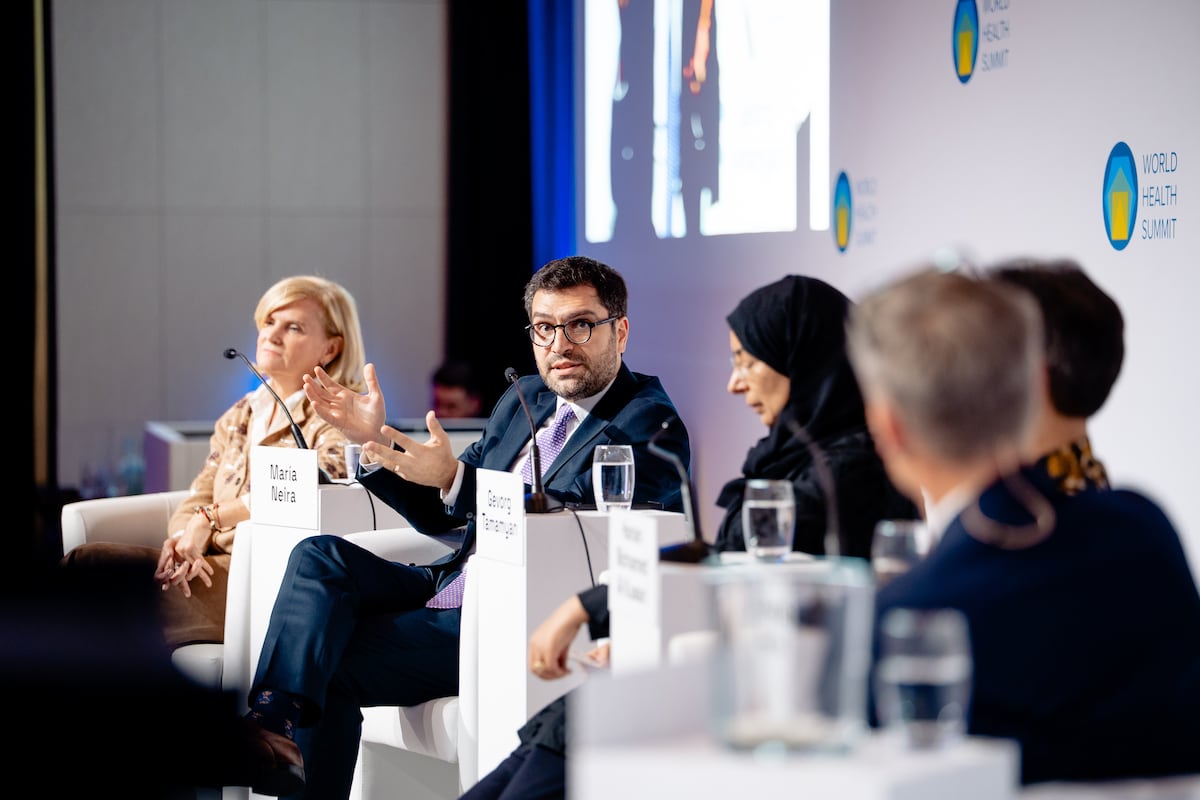 The WHO searches for a new leader as US funding dries up and trust in science wanes
english.elpais.com
The WHO searches for a new leader as US funding dries up and trust in science wanes
english.elpais.com
The WHO's budget for 2026-27 has been cut from 5.3 billion dollars to 4.2 billion, and seven candidates gathered in Berlin for the first debate over who will lead what remains. The contest to succeed Tedros Adhanom Ghebreyesus opened at the World Health Summit, where a Wellcome Trust report based on more than 140,000 interviews in 140 countries found that trust in science has fallen below pre-pandemic levels — from 77 percent in 2018 to 72 percent in 2025.
The field spans María Neira of Spain, the Armenian physician Gevorg Tamamyan — nominated by Botswana — Hanan Mohamed al Kuwari of Qatar, Budi Gunadi Sadikin of Indonesia, Hans Kluge of Belgium, Hanan Balkhy of Saudi Arabia and Song Li of China. The next director-general will be elected at the World Health Assembly in May.
The United States, for decades one of the leading contributors, has withdrawn from the organization, deepening funding problems Tedros had warned about for months. Most of what remains is money the agency cannot steer: only 41 percent of expected funding comes from flexible resources that can be allocated to the WHO's own priorities. The rest is voluntary contributions earmarked for specific projects, a structure that limits the agency's autonomy and complicates long-term planning.
The organization also carries its pandemic record — criticism of its initial response to the outbreak in China and doubts over some of its public-health recommendations — into what El País describes as a political climate increasingly hostile toward multilateralism. Tamamyan, hours after watching a protester in her 70s hold a sign against the WHO in the rain outside the summit, asked the question hanging over the debate: "When I was a child, the WHO meant trust. Why has that trust become so fragile?"
Member states now have to decide what kind of WHO they want for the next decade — a coordinator and standard-setter, or a broad agenda running from pandemics to climate change. Observers are watching the Qatari and Saudi candidacies for what they would mean for sexual and reproductive rights and for climate-related health policy. Axel Pries, president of the World Health Summit, supplied the frame the candidates will work within: "Health cannot be separated from geopolitics, the economy, security or climate."
The next director-general will be elected in May. Of the 4.2 billion dollars on the books, 41 percent is money the winner can actually decide how to spend.