
Meta launches Muse Wonder to rival OpenAI and Anthropic
Zuckerberg delayed the release for months over safety after signing a pledge that binds no one, independent benchmark ranks Wonder among the most expensive models
Images
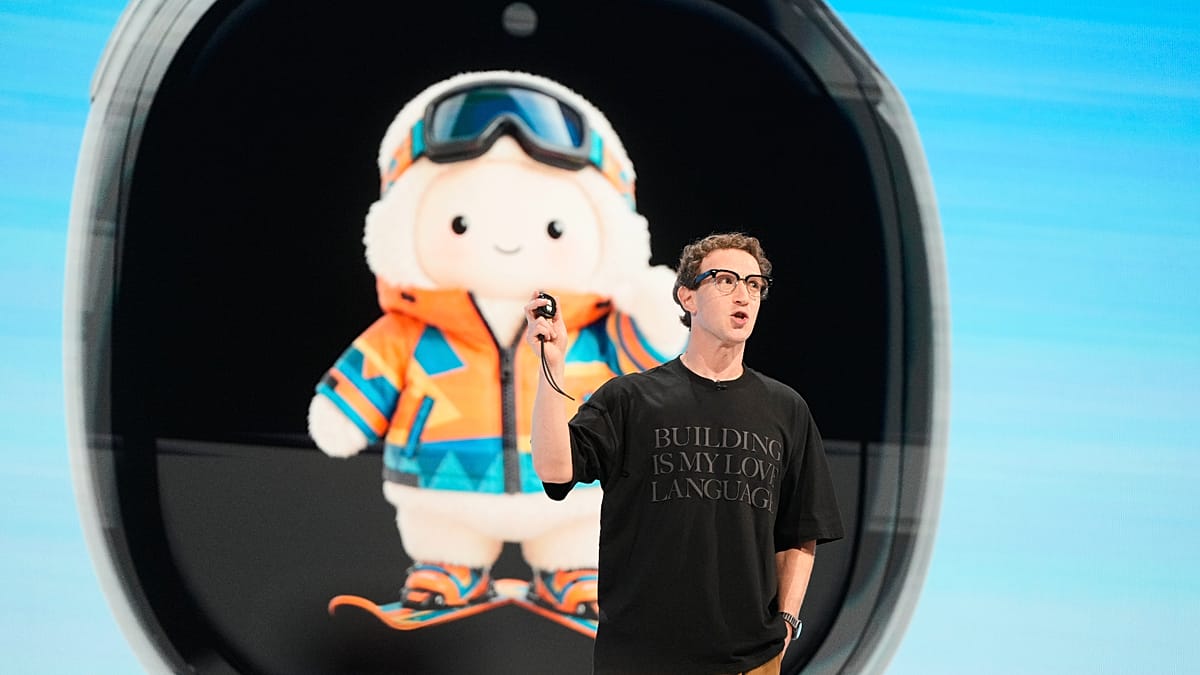 What to know about Meta’s new ‘Wonder’ AI models
euronews.com
What to know about Meta’s new ‘Wonder’ AI models
euronews.com
Meta has launched a new line of Wonder models — Muse Wonder for daily tasks and a more capable version called Wonderful — that Mark Zuckerberg says brings the company "to the frontier." A monthly subscription could run from $20 to $100.
The launch is the payoff on $14.3 billion invested in Scale AI and the hiring of its founder Alexandr Wang to run Meta Superintelligence Labs, alongside executives recruited from OpenAI, Anthropic and Google. Wang posted on X that the new model "rivals the big boys." Meta's previous model, Spark, arrived in April as a break from the open-source Llama line and, according to Euronews, lagged the rest of the industry.
Meta's blog post leans on benchmarking from Artificial Analysis, an independent firm, that appears to show the Wonder models outperforming Spark as well as models from Anthropic, OpenAI and Google. The same firm's website shows Wonder among the most expensive models on the market. Meta says the models handle tasks in law, finance and health, carry "active memory" that recalls past details over time, and deliver frontier coding performance.
Zuckerberg posted last month that Meta delayed shipping Muse for several months to focus on safety and security, adding: "We didn't call for everyone else to do this before we would." In September he was one of six American tech executives to sign a pledge proposed by Donald Trump to increase safety measures before launching new or frontier models; executives from Google, OpenAI, Anthropic, xAI and Nvidia signed as well. Critics have described the pledge's morally binding nature as insufficient to motivate real safeguards. There is no consensus among politicians or industry leaders on how to proceed, and leaders at Anthropic, OpenAI and Google have encouraged slowing development.
The rest of the portfolio has been moving all year. Muse Code, launched in August, competes with automated coding tools from OpenAI and Anthropic; an agentic app called Muse followed in September; at Connect last month Meta showed Muse Charm, a handheld device for talking to one's agent without a phone. The company that once printed "move fast and break things" on its walls now markets months of delay as a safety feature.
The benchmark Meta cites for performance also tracks price. On that measure, Wonder sits among the most expensive models available.