
Moldova declares emergency in energy and water sectors
Drought hits Dniester and imported power costs rise, 60-day decree arrives before winter demand spike
Images
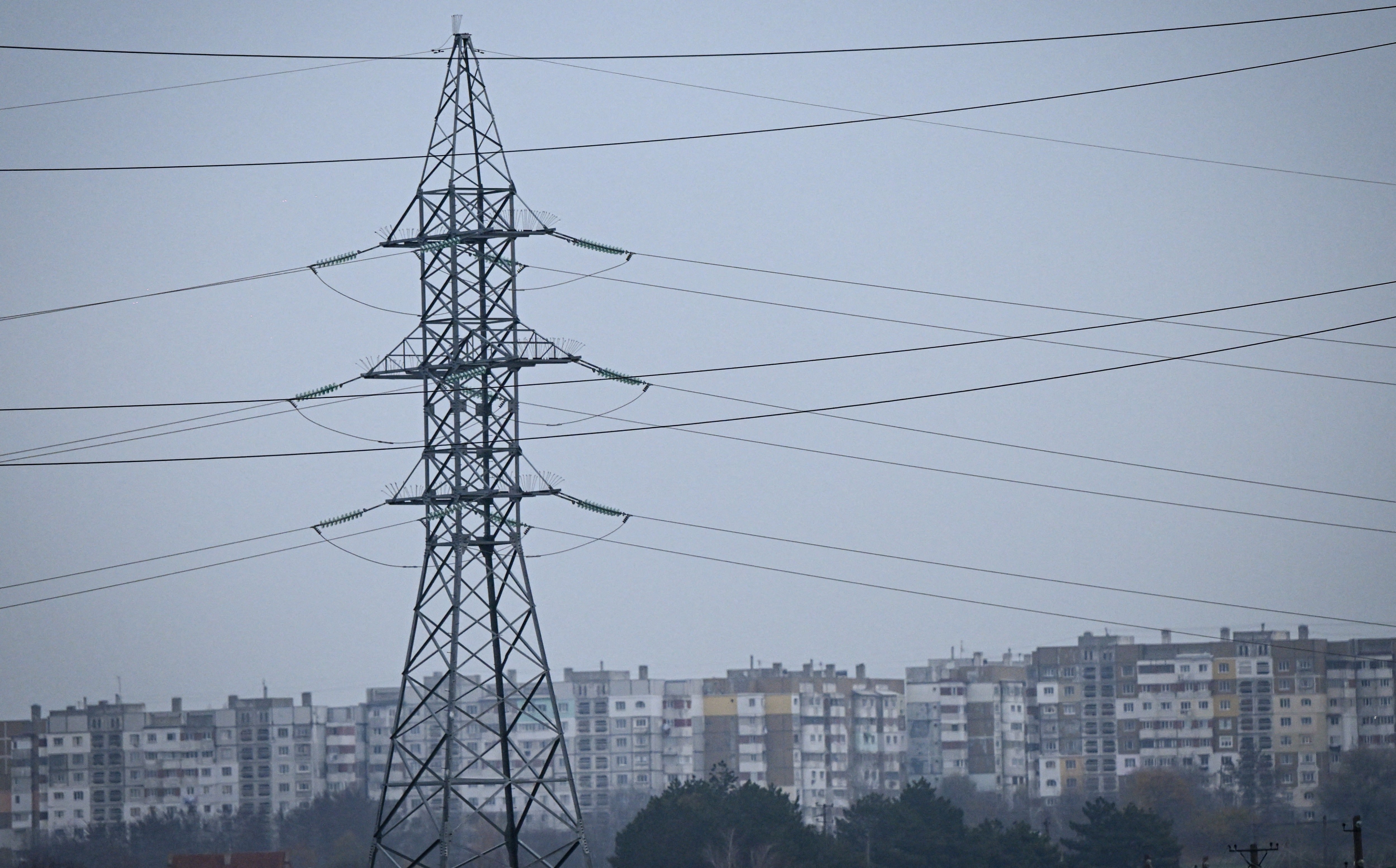 Moldova declared an energy emergency in March after Russian attacks on Ukraine's grid severed a main power link to Romania (AFP via Getty Images)
AFP via Getty Images
Moldova declared an energy emergency in March after Russian attacks on Ukraine's grid severed a main power link to Romania (AFP via Getty Images)
AFP via Getty Images
A 60-day state of emergency in Moldova’s energy and water sectors is set to take effect this weekend after lawmakers voted 54–20 to approve it, according to The Independent. The government cites falling water levels on the Dniester River and higher energy costs linked to global conflicts, with President Maia Sandu convening a National Security Council meeting on resilience measures ahead of winter.
The move bundles two vulnerabilities that normally sit in separate ministries: water inflows that determine how much can be pumped, treated, and stored, and imported electricity and gas that determine whether pumps, treatment plants, and households can keep running when demand rises. Moldova’s Ministry of Environment describes a “severe hydrological deficit” along the Dniester and Prut rivers and says the emergency framework allows faster interventions and temporary safeguards. Prime Minister Vasile Tofan, as quoted by The Independent, framed the situation as a “perfect storm” of drought, conflict in the Middle East and Ukraine, and destroyed refineries pushing up costs—an explanation that points as much to price shocks as to physical scarcity.
The Dniester is also a cross-border system. Tofan said inflows to the upstream Novodnistrovsk reservoir in Ukraine are running far below a stated minimum—about 22 cubic metres per second versus a required 60—turning Moldova’s domestic planning into a downstream negotiation problem. When water is scarce, governments tend to reach first for administrative controls, and Environment Minister Gheorghe Hajder signalled that limits on nonessential water use may be needed. The same emergency powers that speed procurement and coordination can also blur accountability when rationing decisions arrive, especially in a small state where energy imports and water management are already politicised.
The declaration lands in a country that has already used emergency tools for energy security. The Independent notes Moldova declared an energy emergency in March 2023 after Russian attacks on Ukraine’s grid severed a key power link to Romania. That precedent matters because it shows how quickly external events translate into domestic rules, even when officials say there is no immediate shortage of gas, diesel, electricity, or water. Emergency status becomes a way to act before the meters run out—while also shifting the debate from long-term infrastructure and contracts to short-term restrictions and crisis management.
On Saturday, Moldova will enter the cold season with an emergency decree on the books and river inflows that officials say are already below minimum thresholds.