
EU proposes Kids Act ban on under-13 social media accounts
Commission targets infinite scroll and push notifications while expanding rules to games and AI chatbots, age verification becomes the new compliance bottleneck
Images
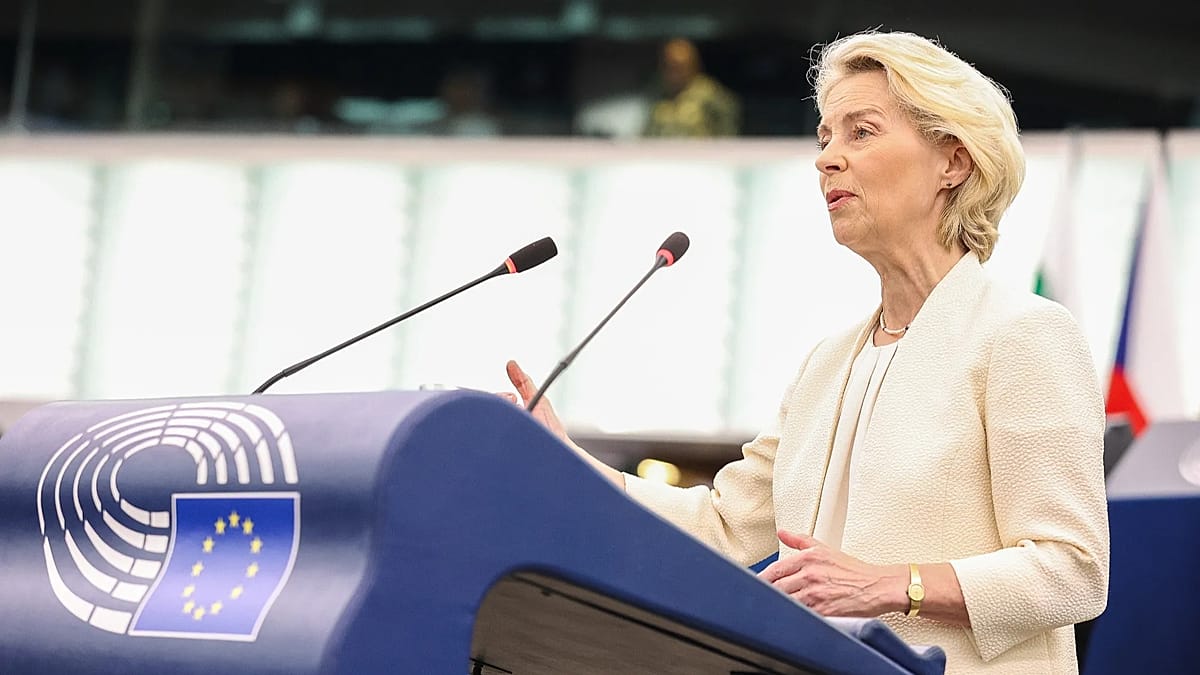 EU Kids act: The EU’s plan to make the internet safer for kids
euronews.com
EU Kids act: The EU’s plan to make the internet safer for kids
euronews.com
The European Commission has proposed an EU Kids Act that would bar children under 13 from holding social media accounts and require platforms to strip out features such as infinite scrolling and push notifications for minors, according to Euronews. The proposal, presented by Commission president Ursula von der Leyen and executive vice-president Henna Virkkunen, would also create “mini accounts” for teenagers aged 13 to 15 with restrictions on contacts and screen-time controls.
The plan extends beyond social networks. Euronews reports that video games, app stores and AI chatbots would have to be built “safe by design”, with service providers expected to demonstrate compliance rather than relying on users to opt out. Profiling-based recommender feeds for children would be prohibited, and platforms would be required to provide tools for parents to view and approve contacts, manage settings and report harmful content.
Brussels is trying to standardise rules across the single market to avoid a patchwork of national age limits and design requirements. That has immediate consequences for companies that currently operate under looser self-declared age checks and for smaller services that may lack the compliance staff of the largest platforms. The Commission is leaning on survey data to justify the intervention: a 2026 Eurobarometer poll cited by Euronews links earlier social media adoption with longer screen time, with children who started before age 10 reporting more weekend screen time than those who started after age 14.
The proposal also shifts responsibility around the household. Eurochild, an NGO quoted by Euronews, argues parental controls are necessary but cannot be the main line of defence because not every child has a supportive or digitally skilled adult available, including children in alternative care or in families experiencing conflict or neglect. At the same time, the Act’s architecture assumes platforms can reliably distinguish between a 12-year-old and a 13-year-old at scale, and Euronews notes that simple date-of-birth boxes would no longer be considered valid age verification.
The Kids Act still needs approval from the European Parliament and the Council before it can take effect. For now, the Commission has put a concrete number on the table—13—and asked both lawmakers and platforms to design around it.