
Latvia blocks EU plan to delist Alisher Usmanov
France links sanctions relief to release of prisoners in Azerbaijan, unanimity turns renewal deadline into a bargaining market
Images
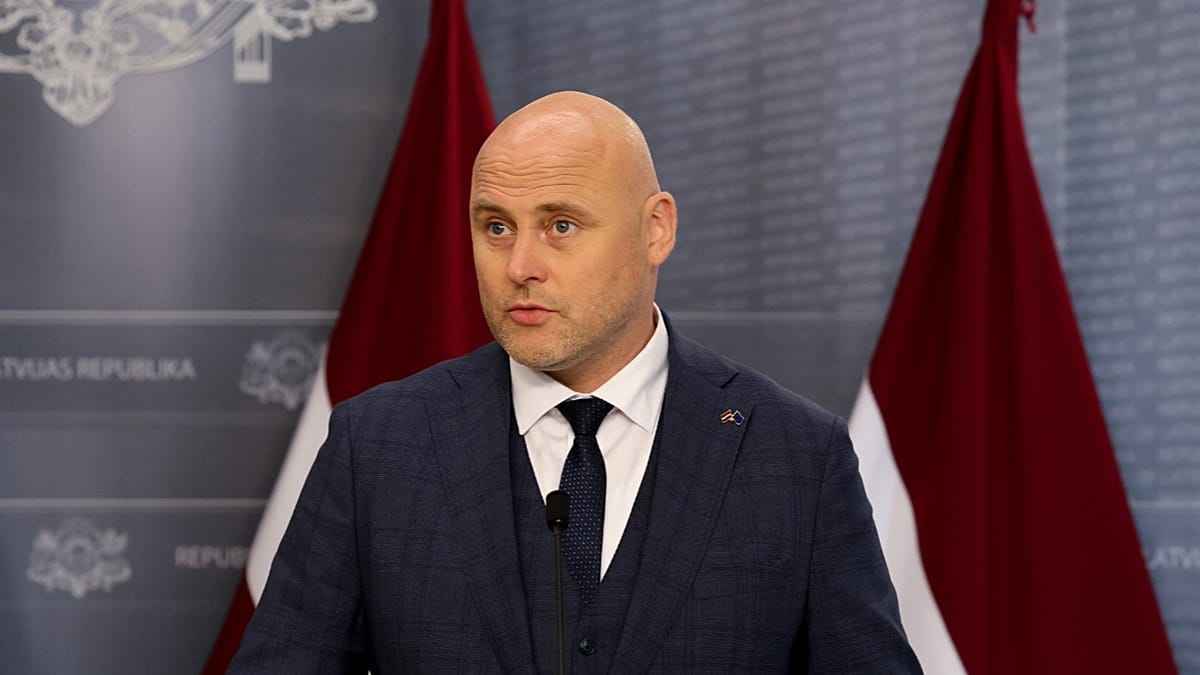 Latvia blocks deal to remove Usmanov from EU sanctions list
euronews.com
Latvia blocks deal to remove Usmanov from EU sanctions list
euronews.com
Latvia blocked an EU compromise that would have removed Alisher Usmanov from the bloc’s Russia sanctions list, forcing fresh talks hours before the measures were due for renewal, according to Euronews. France had backed the delisting as part of an effort to secure the release of two French nationals imprisoned in Azerbaijan, with Uzbekistan described as facilitating the arrangement.
The dispute illustrates how the EU’s sanctions regime, built on unanimity and periodic renewals, can turn into a last-minute bargaining forum where unrelated objectives are traded against a core foreign-policy instrument. Ireland, holding the rotating EU Council presidency, proposed extending the broader sanctions framework while dropping Usmanov and also businessman Mikhail Fridman, a package that diplomats in several capitals reportedly found hard to defend even as many were prepared to accept it to avoid a lapse. Latvia’s prime minister Andris Kulbergs said in a late-night video that pressure on Russia should intensify while the war continues, and that removing names as the price of renewal was unacceptable.
France’s reported linkage to detainees in Azerbaijan adds a second channel of leverage: sanctions designed to constrain Russia become a currency in negotiations with third countries that control prisoners, transit routes, or intermediary access. That dynamic creates incentives for member states to treat listings as chips that can be cashed in domestically—whether to deliver consular wins, satisfy business constituencies, or show “pragmatism”—while the costs of weakening the package are shared across the union. Ukrainian officials publicly objected, Euronews reports, underlining the gap between the sanctions’ stated purpose and the internal EU process that can reshape them.
The mechanics are unforgiving. The EU sanctions list covers thousands of people and entities and must be renewed by a deadline to stay in force. One holdout can force either a narrower compromise or a scramble to avoid a legal cliff edge, and the closer negotiations run to expiry, the more valuable each veto becomes. Kulbergs said Latvia would keep working with Brussels and Paris on a solution that suits Latvia’s interests, while Latvia’s foreign minister Baiba Braže said France should be asked to explain its position.
Usmanov, sanctioned early in the full-scale invasion of Ukraine, faces a travel ban and asset freeze and has denied the allegations and challenged the measures. On Tuesday, as envoys returned to the table, the sanctions renewal was still waiting on a single capital’s signature.