
Trump floats Belarus potash deal, Canada supplies most US imports and Nutrien shares drop
Logistics and contracted output limit quick substitution
Images
 El presidente de Bielorrusia, Alexander Lukashenko, y el enviado estadounidense John Coale participaron de una reunión en Minsk, Bielorrusia. 15 de septiembre de 2026. (Reuters)
infobae.com
El presidente de Bielorrusia, Alexander Lukashenko, y el enviado estadounidense John Coale participaron de una reunión en Minsk, Bielorrusia. 15 de septiembre de 2026. (Reuters)
infobae.com
 Alexander Lukashenko, líder autoritario de Bielorrusia. (AP)
infobae.com
Alexander Lukashenko, líder autoritario de Bielorrusia. (AP)
infobae.com
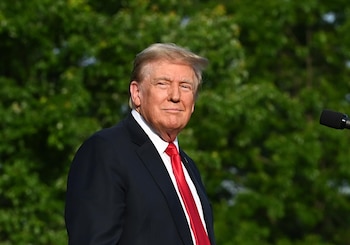 El plan de Trump enfrenta límites de producción y obstáculos logísticos en Bielorrusia, mientras los precios de la potasa en Nueva Orleans alcanzan su nivel más alto desde julio de 2023. (EP)
infobae.com
El plan de Trump enfrenta límites de producción y obstáculos logísticos en Bielorrusia, mientras los precios de la potasa en Nueva Orleans alcanzan su nivel más alto desde julio de 2023. (EP)
infobae.com
A Truth Social post about potash moved fertilizer markets on Monday, as Donald Trump said the United States was working on a “large deal” to buy supplies from Belarus rather than Canada. According to Infobae’s Reuters-sourced report, the announcement came amid a growing US-Canada trade dispute, and shares in Canada’s Nutrien and US-based Mosaic fell intraday after the comments.
The numbers behind the politics are straightforward. The United States imported roughly 13 million tonnes of potash in 2025, with close to 90% coming from Canada, Reuters reported, citing US Agriculture Department data. Saskatchewan holds the world’s largest potash reserves, and North American production is dominated by Nutrien and Mosaic through their Canpotex joint venture. In that context, any hint that Washington might restrict Canadian flows—or simply use the threat as leverage—lands quickly on farm input prices, and then on food prices.
But the supply alternative Trump is advertising is constrained by more than diplomacy. Belarus was sanctioned in 2021, and potash was a major source of hard-currency earnings before Western restrictions were imposed over political repression and Minsk’s support for Moscow in the war against Ukraine. Reuters reported that earlier in 2026 the US lifted some restrictions on Belarusian fertilizers as part of an arrangement tied to the release of political prisoners. Even with that opening, Lukashenko has said Belarus lacks spare capacity to supply large additional volumes because annual output is already committed under contract, Reuters reported, citing Russia’s Interfax.
Logistics are another chokepoint. Reuters noted that Lithuania’s rail system terminated a contract with the Belarusian state producer Belaruskali in 2022, part of the broader effort to cut off export routes. Moving bulky fertilizer from a landlocked supplier is not a matter of signing a purchase order; it requires transit agreements, rail access, port handling, financing, and insurers willing to touch the cargo. The same sanctions architecture that can be relaxed with an executive decision can also be re-tightened by courts, Congress, or allies, leaving traders to price political risk into a commodity farmers buy on schedule.
The domestic incentive is equally visible. Reuters reported that US farmers and ranchers are a key Republican constituency ahead of midterm elections, and Trump framed the Belarus option as “very good news” because it would be “substantially” cheaper than Canadian potash. Potash prices in New Orleans have risen to their highest level since mid-2023, Reuters said; promising relief is easier than rebuilding a supply chain.
A meeting in Minsk on 15 September between Belarusian leader Alexander Lukashenko and US envoy John Coale was the concrete step Reuters could point to. The rest—for now—fits inside a single social media post and a market reaction that treated it as actionable.