
FAA equipment outage triggers ground stops at New York area airports
Frequency problems at Philadelphia TRACON disrupt arrivals and departures, a single facility failure ripples through national schedules
Images
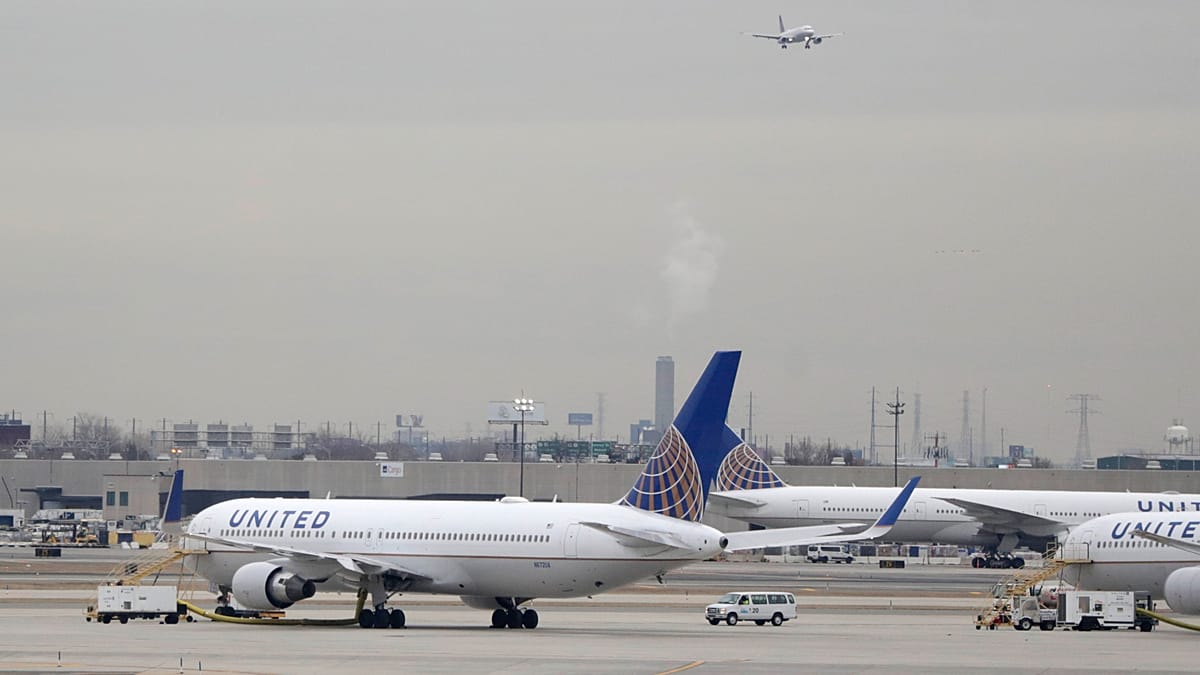 Ground stops ordered at six US airports due to 'equipment outage'
euronews.com
Ground stops ordered at six US airports due to 'equipment outage'
euronews.com
 zerohedge.com
 Via @Bogs4NY
zerohedge.com
Via @Bogs4NY
zerohedge.com
Ground stops were ordered at six airports in the northeastern United States on Monday after an FAA “equipment outage” disrupted air traffic control, according to Euronews. The affected airports included Newark Liberty, Philadelphia International, John F. Kennedy International, LaGuardia, Teterboro, and Westchester County, with airlines and passengers told to expect delays and check flight status. The FAA said the problem involved issues with some radio frequencies at the Philadelphia Terminal Radar Approach Control facility, which manages traffic in the region.
The immediate cost shows up in queues on taxiways and missed connections, but the more durable cost is how quickly a single technical failure becomes a regional shutdown. A ground stop does not merely slow arrivals; it prevents aircraft destined for the listed airports from departing their origin airports, turning a local outage into a national scheduling problem as crews and aircraft end up out of position. Euronews cited average delays of roughly 170 minutes at Newark and around an hour at Philadelphia, and reported cancellations and diversions at Newark by early afternoon. ZeroHedge, citing FAA status updates and flight-tracking data, described the public explanation shifting from frequency problems to the vaguer label “equipment / outage,” without a named system or repair timeline.
The episode also points back to a structural change: Philadelphia TRACON took over Newark approach control in 2024, according to ZeroHedge. That consolidation was meant to rationalise staffing and coverage, but it also concentrates failure modes—when the facility has trouble, the country’s busiest air corridor loses capacity at once. ZeroHedge reported that the same facility experienced repeated radar and radio failures in 2025, severe enough that controllers took trauma leave, and that Newark was ground-stopped in 2025 for a similar frequency-related issue. When outages recur in the same node, the practical question for airlines is not whether disruptions happen, but how often they will be forced to rebuild a day’s network around a single point of failure.
Across the Atlantic, Britain saw delays and cancellations on Monday after an air traffic control technical issue, with operator NATS pointing to a connectivity problem at its Prestwick centre in Scotland, according to Euronews. NATS said the issue was fixed and that restrictions were being removed, but the pairing of two separate disruptions on the same day underlines how much modern aviation depends on a small number of tightly coupled systems behaving normally. For passengers, the distinction between “weather,” “volume,” and “equipment” matters less than the fact that the system’s fallback is to stop departures and let schedules collapse outward.
By early afternoon, the FAA was still describing the US disruption as a frequency problem at Philadelphia TRACON while airport status boards also carried the generic label “equipment outage.” The airports kept moving, but only after much of the region spent the day waiting for a control room to come back online.