
Texas doctors report rise in kidney disease with no clear cause
Independent describes CKDu cases among young men from Central America and Mexico, emergency dialysis becomes the first data source
Images
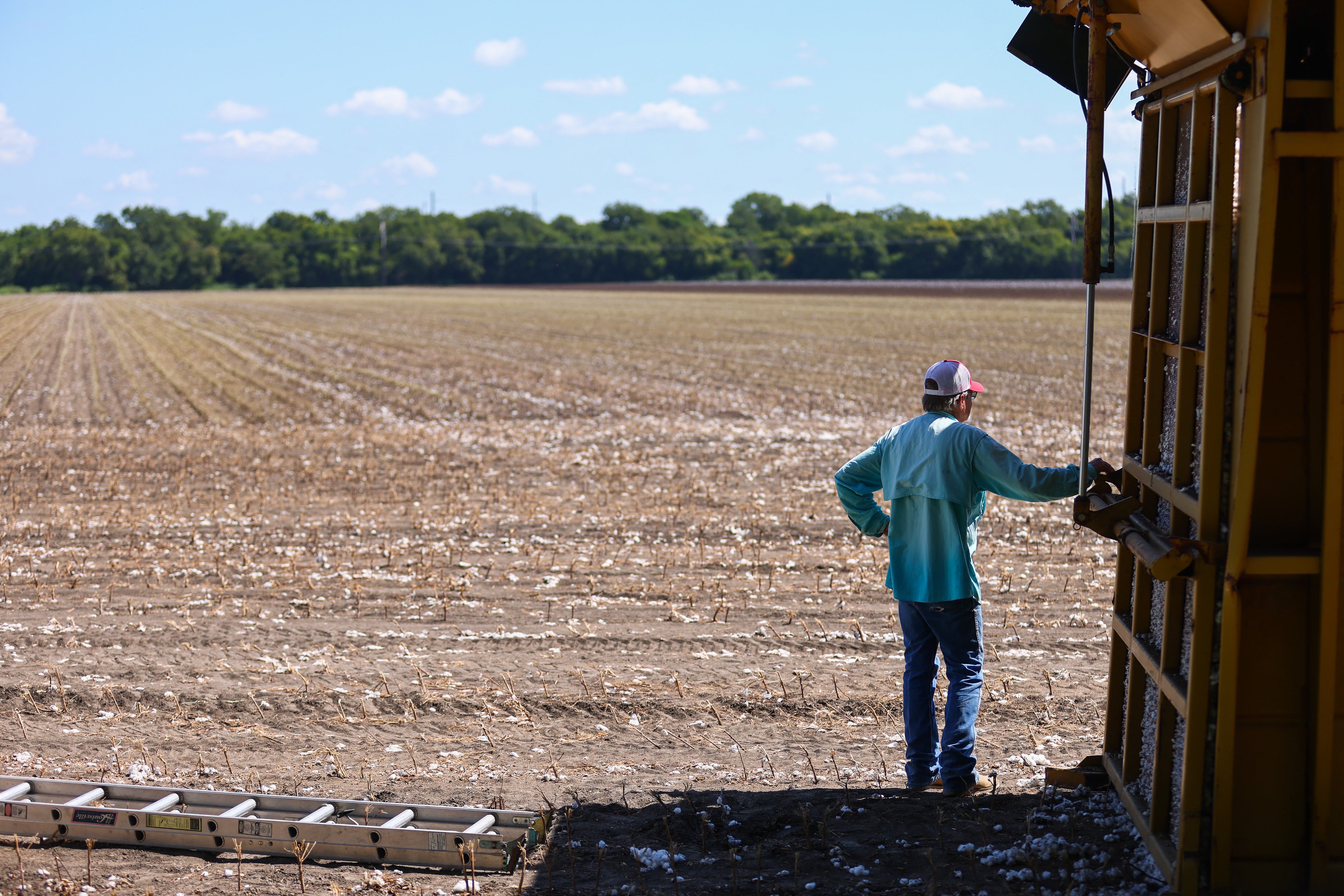 Doctors in Texas have reported an increase in young men with CKDu, or chronic kidney disease of unknown origin, according to a report (AFP via Getty Images)
AFP via Getty Images
Doctors in Texas have reported an increase in young men with CKDu, or chronic kidney disease of unknown origin, according to a report (AFP via Getty Images)
AFP via Getty Images
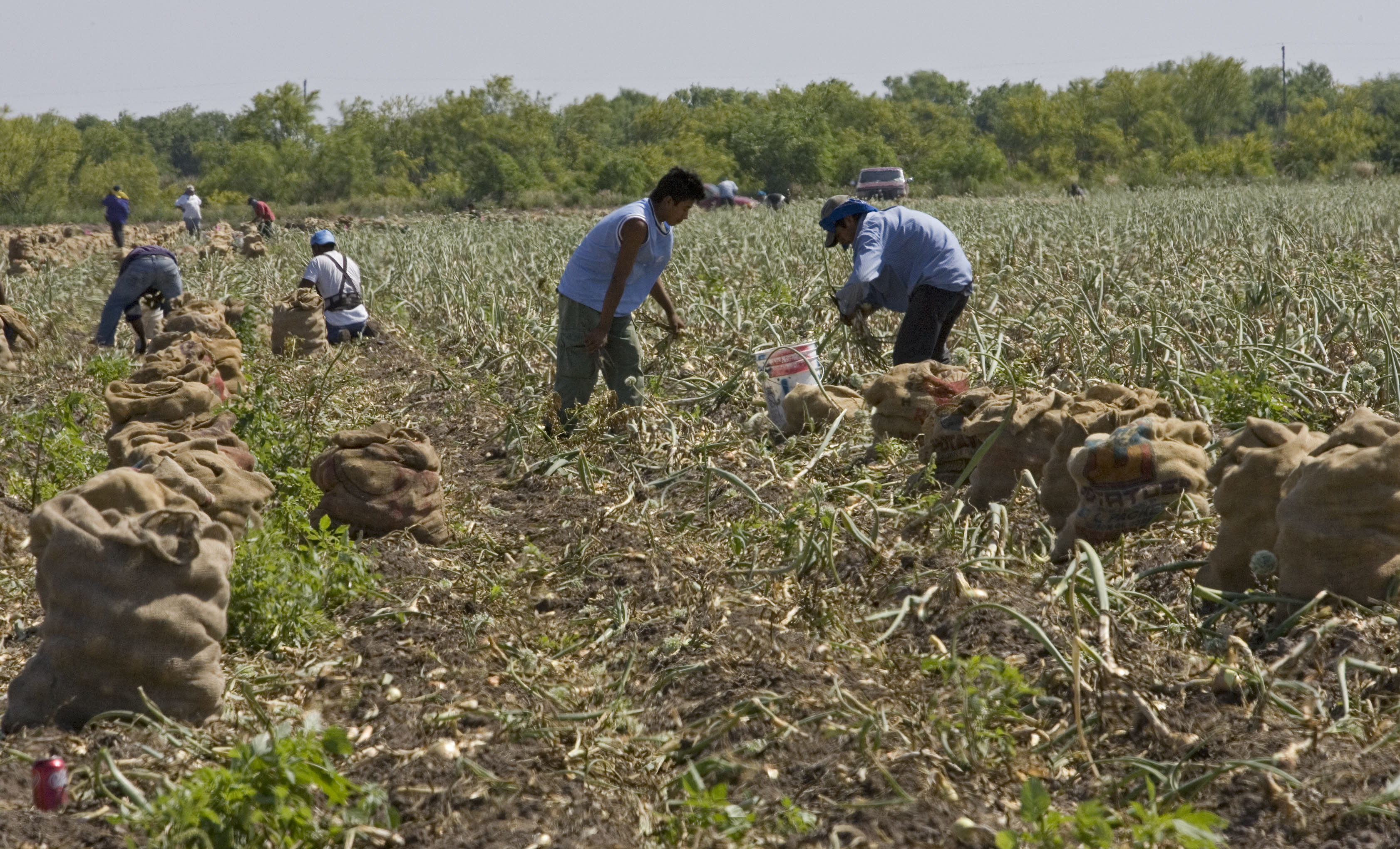 Health officials in Texas have reported an increase in CKDu cases, though it was not immediately clear how many recent cases there have been (AFP via Getty Images)
AFP via Getty Images
Health officials in Texas have reported an increase in CKDu cases, though it was not immediately clear how many recent cases there have been (AFP via Getty Images)
AFP via Getty Images
Doctors in Texas are reporting an increase in a form of chronic kidney disease with no clear cause among otherwise healthy young men, many from Central America or Mexico, according to The Independent. The condition is often described as chronic kidney disease of unknown origin (CKDu) and has been linked in other parts of the world to heavy physical work in extreme heat. Clinicians at Houston’s Ben Taub Hospital told the newspaper they are seeing cases frequently enough to suspect something larger than isolated misfortune.
CKDu is not new globally, but its appearance in the United States would change who bears the costs of a disease long associated with poorer, hotter regions. The Independent notes that CKDu has been reported in Central America and also in countries including Sri Lanka, India and Nepal, and is sometimes referred to as Mesoamerican nephropathy. Unlike more common kidney failure pathways, patients do not present with typical risk factors such as diabetes or hypertension, leaving late-stage renal failure as the first unmistakable signal.
That pattern makes the disease easy to miss in systems that do not routinely screen people who are young, mobile and poorly insured. Epidemiologist Rebecca Fischer told The Independent that the population affected is vulnerable, has limited access to health services, and that screening is not prioritised. In practice, that means hospitals may meet CKDu only at the most expensive point of the curve: emergency dialysis and prolonged care for end-stage failure.
The Independent reports that nephrologist Sreedhar Mandayam noticed an “alarming spike” in emergency-dialysis patients who were young men, many uninsured or undocumented, and began asking why. Internist Ricardo Nuila said he was seeing CKDu cases nearly every day. A review of Ben Taub medical records from 2012 to 2015 found that out of 346 kidney-failure cases in uninsured or undocumented patients, 17 had no identifiable cause; researchers cited by the newspaper described that figure as shocking and suggested it could translate into thousands of emergency-dialysis visits to Texas hospitals each year.
The leading hypothesis in the broader literature is that sustained labour in high heat contributes, but epidemiologists still disagree on the exact mechanism, and the Independent notes that the cause is not settled. If heat stress and working conditions are part of the explanation, the disease sits at the intersection of climate, labour markets and healthcare access: the people most exposed are also those least likely to be monitored early. If the United States is now detecting what other regions have lived with for years, the next question is whether it will build a surveillance system that finds CKDu before dialysis, or continue to discover it only when kidneys fail.
For now, the newspaper reports, clinicians and researchers are still trying to count cases and map patterns of origin and work. The first hard numbers may come not from a registry, but from hospital dialysis logs.