
Iran warns of long war with United States
Trump weighs strike blockade or UN deal as Hormuz rhetoric returns, Saudi fuel depot fire follows Houthi attack on Riyadh
Images
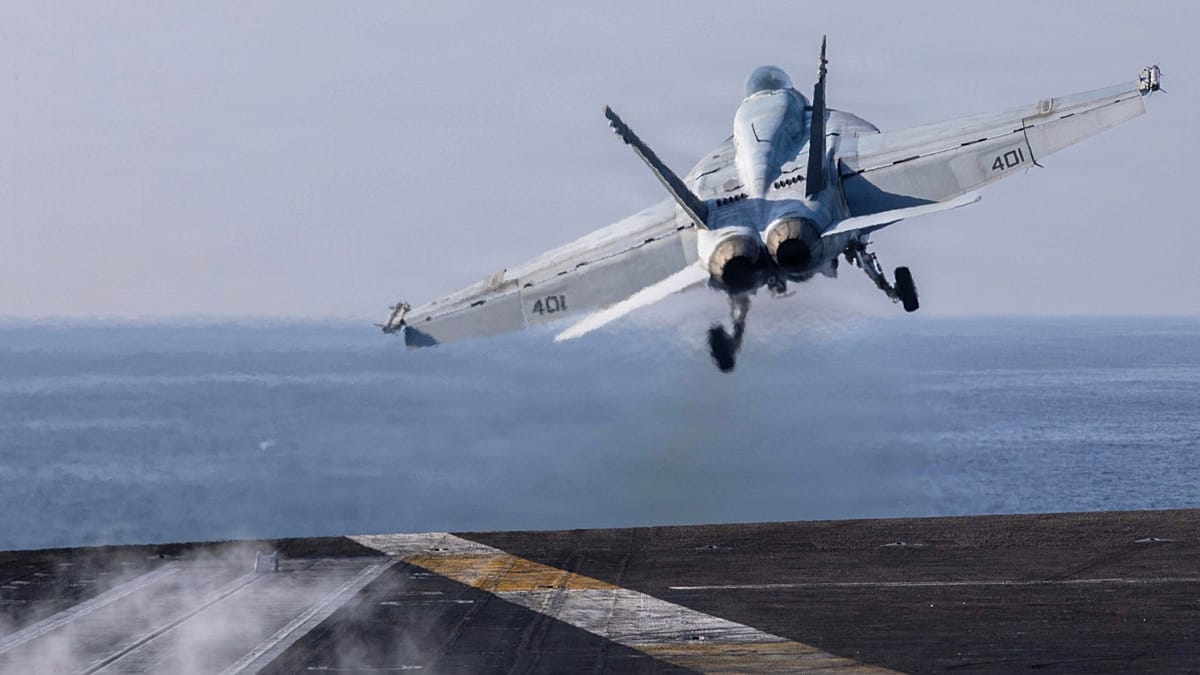 US and Iran trade threats as fears of return to all-out war mount
euronews.com
US and Iran trade threats as fears of return to all-out war mount
euronews.com
Iran’s Islamic Revolutionary Guard Corps warned it has prepared for a “long-term war” with the United States using unused “strategic” weapons, while US President Donald Trump told Fox News he was weighing options on Iran, including the remark “if and when do I blow the entire nation up,” according to Euronews Persian. The report says Iran’s Armed Forces General Staff and Khatam al-Anbiya Central Headquarters issued a joint statement claiming control of the Strait of Hormuz has passed to Iranian management, and warned that any new US attack would be met with continuous strikes on US bases and interests across the region.
The immediate backdrop is the region’s infrastructure becoming part of the messaging. Euronews links the escalation to Houthi strikes on targets in and around Riyadh and on Aramco facilities in Yanbu, using ballistic missiles, cruise missiles and drones. Saudi Arabia said its air defences intercepted a ballistic missile fired at Riyadh at dawn, and a fire was confirmed at a fuel depot near King Khalid International Airport, with black smoke visible. It was described as the first targeting of the Saudi capital since the Yemen war resumed in July.
In practice, threats about Hormuz are not only about naval control; they are about pricing power. When officials claim “management” of the strait, they are talking to insurers, shipping companies and governments that subsidise fuel when prices spike. The frontpage has already tracked how attacks and shutdowns around Hormuz feed directly into European diesel and petrol politics—tax cuts and subsidies that shift costs from motorists to state budgets.
Washington’s own posture is being kept deliberately broad. Euronews reports Trump is believed to be considering a large-scale strike, a tightened economic blockade, or a diplomatic deal at the UN General Assembly, and that the State Department issued fresh security warnings for US citizens across the Middle East, urging Americans in Iran to leave immediately and warning of possible flight cancellations and airspace closures. Tehran, for its part, has attached a price list to de-escalation: lifting the US blockade on Iranian oil ports, returning frozen assets, and removing sanctions on oil exports, according to comments attributed to Supreme National Security Council secretary Mohsen Rezaei.
The same report includes a second track of communications that is hard to reconcile with the public threats. Trump said the US was “in constant contact with the Houthis” and that they had agreed not to go to war with Washington, while US media reported he rejected a request from Saudi Crown Prince Mohammed bin Salman for direct US military assistance against the Houthis.
At the UN this week, Trump is expected to meet Gulf leaders on the sidelines, while Iranian commanders talk about unused weapons and Saudi officials count intercepted missiles.