
Chile’s National Libertarian Party passes 50000 members
El País traces Kaiser family rise through Congress seats and culture-war politics, a printing press archive shadows an outsider brand
Images
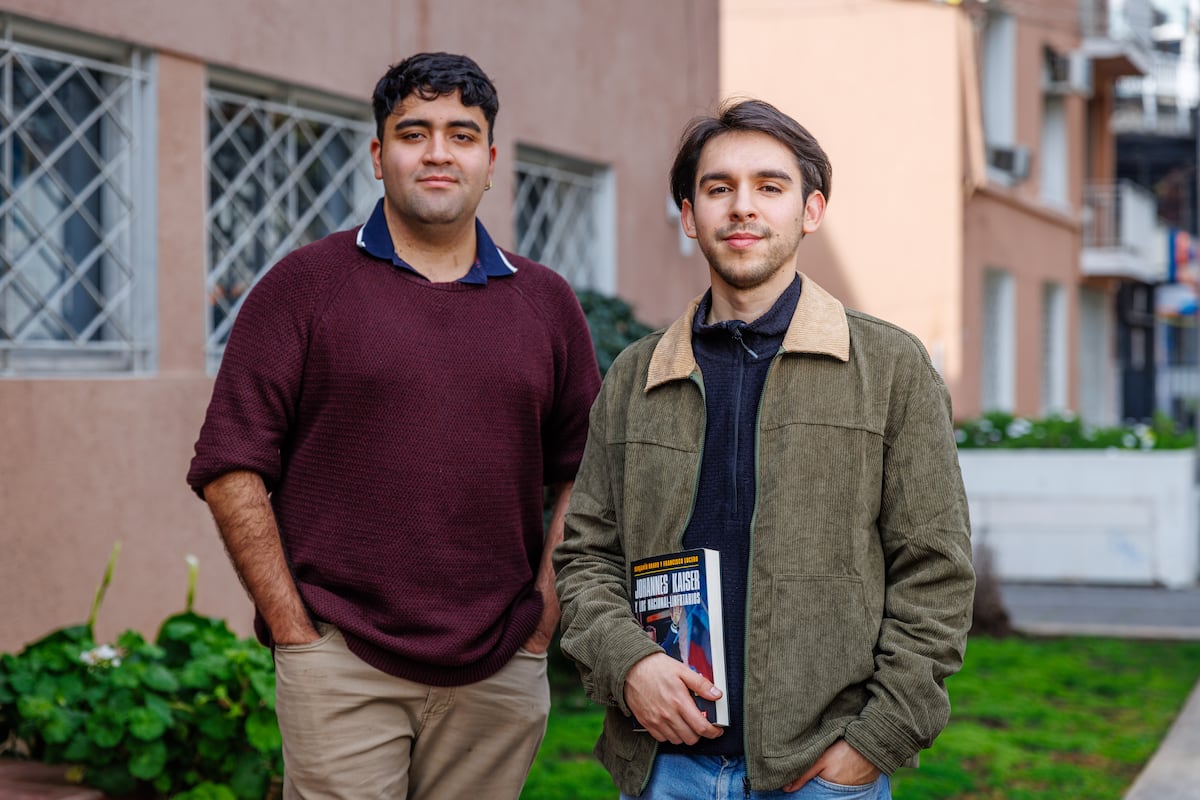 An inside look at the Kaisers, the clan leading the far right in Chile
english.elpais.com
An inside look at the Kaisers, the clan leading the far right in Chile
english.elpais.com
Chile’s National Libertarian Party has grown to just over 50,000 members in two years, becoming the country’s right-wing party with the most members, according to El País. Led by Johannes Kaiser, the party positioned itself to the right of President José Antonio Kast’s Republican Party after splitting during the 2023 constitutional referendum. In the 2025 elections it placed fourth in the first round of the presidential race and won nine seats in Congress, including one held by Kaiser’s sister, Senator Vanessa Kaiser.
El País frames the party’s rise as a family project as much as a political one, drawing on a recent book by journalists Benjamín Bravo and Francisco Lucero presented in Santiago in late August. The party’s message is described as an anti-progressive culture war with rhetoric nostalgic for Augusto Pinochet’s dictatorship, a style that travels well on social media and rewards sharp internal discipline. The report also describes tensions inside the movement and ties to the military, alongside claimed links to Javier Milei’s Argentina—suggesting a regional market for a recognisable brand of politics rather than a purely Chilean phenomenon.
The most document-heavy part of the story concerns the family’s origin narrative. The Kaiser family has publicly said their paternal grandfather escaped Nazi Germany and settled in Villarrica. Bravo and Lucero’s research, as summarized by El País, points instead to a Federico Kaiser Richter born in Stuttgart in 1912, and to a “Friedrich Kaiser” from Stuttgart listed as joining the Nazi Party in 1933 in a US National Archives membership record. El País notes that the birthdate Johannes Kaiser provided to Chile’s Investigative Police is eight days apart from the date in that record, and that the man sailed to Chile in 1934.
In Chile, the grandfather built a career in graphic arts and founded the Cervantes printing press, El País reports. During the Second World War, a Chilean secret police unit known as Department 50 described him in reports to the General Secretariat as a fervent Nazi supporter who disseminated totalitarian propaganda through the press. He appeared on two US banking blacklists of Nazi collaborators in Latin America, the newspaper says. In 1943 the Chilean government used a national security law to forcibly relocate him to Curicó; an appeal failed, and while he later obtained a transfer to Villarrica, the relocation remained mandatory.
The article’s broader point is less about genealogy than continuity: Johannes Kaiser is often presented as an outsider, but El País describes a family history of seeking office, including a grandfather who became mayor of Villarrica with backing from a nationalist group and a father who ran unsuccessfully for Congress and later served as vice president of a right-wing regional party. Party membership numbers and parliamentary seats are measurable; the internal accountability for what is said in the party’s name is less so.
The book that revived the archive trail was presented in Santiago in late August. The party it describes now has more members than any other on Chile’s right.