
Bolivia ends diesel subsidies after lawmakers ratify IMF loan
Three-year rescue plan aims to rebuild reserves and stop fuel shortages, state of emergency shows the adjustment arrives by force
Images
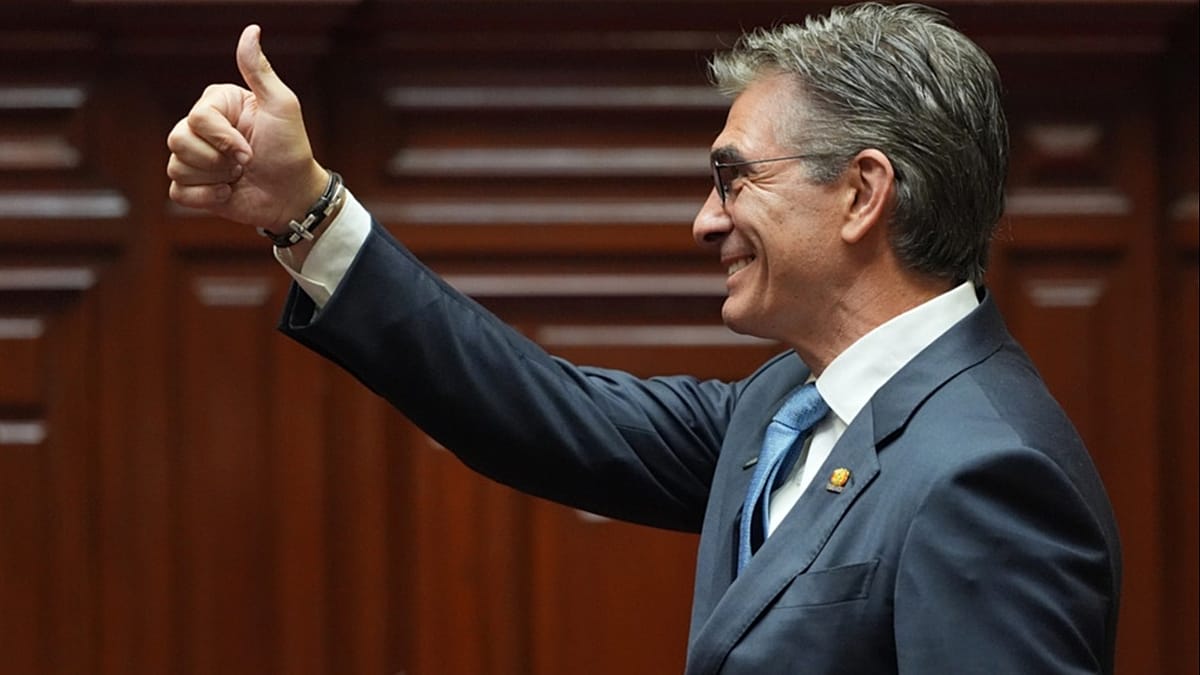 Congress ratifies $1.9 billion IMF deal to ease deep economic crisis
euronews.com
Congress ratifies $1.9 billion IMF deal to ease deep economic crisis
euronews.com
 cabildeodigital.com
Bolivia’s Congress ratified an International Monetary Fund loan program worth $1.9 billion on September 18, and President Rodrigo Paz immediately moved to end subsidies for diesel used by trucks, buses and tractors, according to Euronews. The three-year package still requires final sign-off by the IMF executive board before money is disbursed, but La Paz is already acting on the conditions. Gasoline subsidies, which mainly benefit private motorists, remain for now after being scaled back in recent months.
The government’s case is that the country has run out of room to keep selling imported fuel at a loss. Bolivia’s foreign reserves have dwindled, inflation is high and growth is weak, Euronews reports, while declining natural-gas exports have removed a key source of hard currency that once financed fuel imports. The spike in global oil prices linked to the war involving Iran has turned subsidies into a larger and more volatile bill, pushing the state toward rationing and chronic shortages that began in 2023. Paz framed the change bluntly: “No one can buy something expensive and sell it cheap,” announcing that diesel will be sold at international prices.
The immediate economic transmission mechanism is straightforward: diesel is the input that moves goods and runs machinery. A Bolivian policy blog, Cabildeo Digital, estimates diesel’s subsidized price at Bs. 9.80 per liter and suggests market pricing could land roughly between Bs. 17 and Bs. 20, a jump large enough to hit freight charges, harvest logistics and construction costs before it reaches consumer prices. The same analysis notes that transport, agriculture, mining, construction and distribution would face direct cost shocks, with part of the increase passed through into food and other essentials, squeezing real wages.
To contain the political fallout, Paz announced cash assistance totaling about $79 million for roughly 2.9 million people, plus preferential loans for truckers, small businesses and producers, Euronews reports. He also pledged to redirect subsidy spending to schools, hospitals and roads. But the government has simultaneously extended a state of emergency to clear roads during protests, a tool that allows military intervention and the suspension of some civil liberties—an acknowledgement that the adjustment is being imposed under pressure, not negotiated in calm.
The IMF deal passed in a fragmented legislature: Paz’s Christian Democratic Party lacks a majority, while centrist and right-wing lawmakers dominate both chambers and backed the program, Euronews reports. Unions including the Bolivian Workers’ Central oppose the loan, warning that spending cuts and higher fuel costs will fall hardest on low-income households. Cabildeo Digital adds a less visible complication: subnational governments are large diesel consumers for public works and services, and higher prices can shift costs onto municipalities even as the central government claims fiscal relief.
The IMF’s executive board has not yet released the money. Bolivia has already raised the pump price on the fuel that keeps the country’s trucks moving.