
Dozens die in Nigerian detention after illegal mining raids
NSCDC blames possible disease outbreak as families allege beatings and suffocation, inquiry and suspensions follow protests in Minna
Images
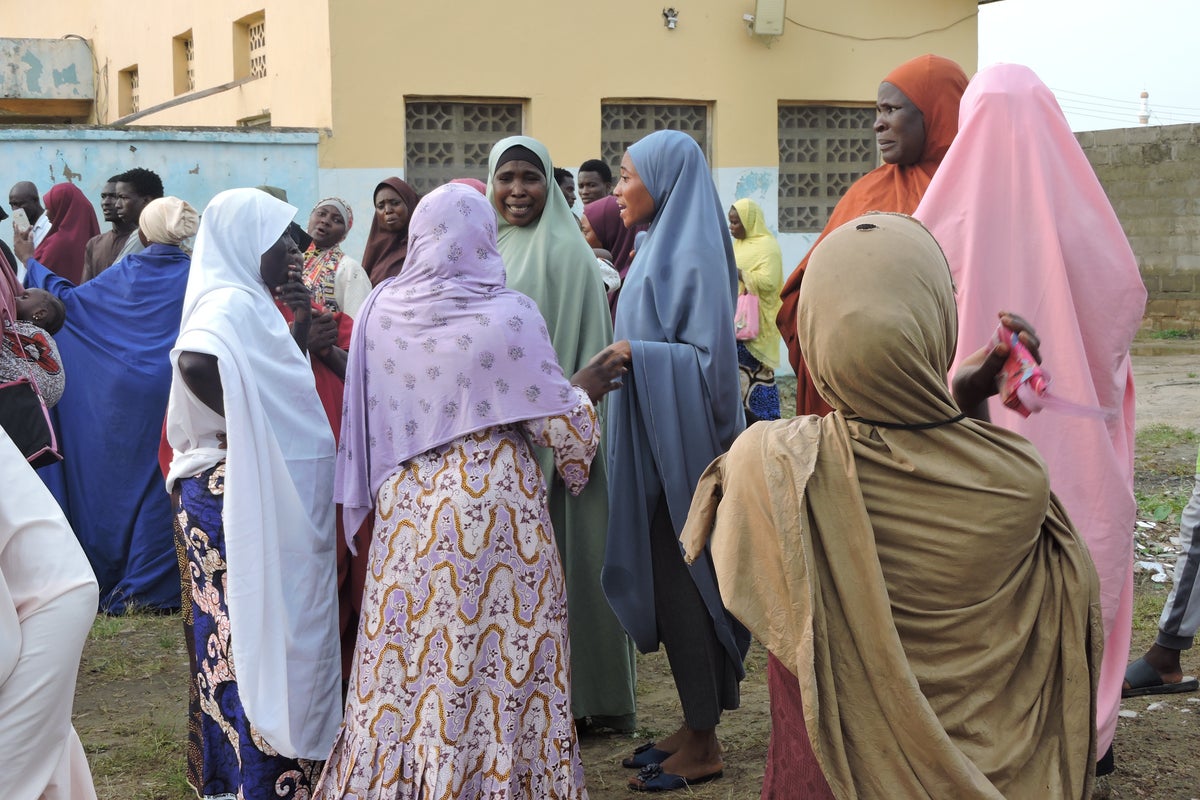 Families of suspected illegal miners who died in Nigerian detention accuse officials of mistreatment
independent.co.uk
Families of suspected illegal miners who died in Nigerian detention accuse officials of mistreatment
independent.co.uk
Thirty-seven detainees arrested in raids on illegal mines in Nigeria’s Niger state were found dead in a detention cell, prompting the federal government to suspend officials and announce a formal inquiry. According to The Independent, the arrests were carried out by the Nigeria Security and Civil Defence Corps (NSCDC) across Tuesday and Wednesday in the villages of Lukoto and Wushishi, and the deaths were discovered on Thursday morning. Niger state governor Umar Bago said the victims likely died of suffocation after being held in a poorly ventilated cell with dozens of other suspects. Families and survivors describe beatings, denial of water, and desperate attempts to get guards’ attention as the air ran out.
The NSCDC initially attributed the deaths to a possible disease outbreak, a claim that sits uneasily alongside accounts from inside the cell. One survivor, Mubarak Dahiru, told The Independent that detainees were sweating heavily and that requests for water and food were ignored; relatives allege visible injuries and have cited videos and photos they say show mistreatment in custody. Another detainee, Dauda Shehu, described people climbing to find breathable air and banging on the door to alert guards, according to an Associated Press account cited by SVT. The bodies were taken to a hospital in Minna, the state capital, for determination of the cause of death, while police opened an investigation and asked families to provide information.
The official response has followed a familiar pattern: immediate public outrage, administrative suspensions, and a committee. The federal government named a 10-member panel drawn from legal, security, mining and medical professions, and said it had suspended additional NSCDC personnel; the NSCDC’s Niger state head was also suspended, The Independent reports. Interior minister Olubunmi Tunji-Ojo warned against destroying evidence, intimidating witnesses or obstructing investigators, language that acknowledges how quickly custody cases can turn into paperwork battles over logs, access and chain of responsibility. The Nigerian Bar Association’s president, Oyinkansola Badejo-Okusanya, called the deaths an event of “utmost gravity” requiring an independent and credible investigation.
Illegal mining itself is not a marginal issue in Nigeria’s north-central and northwest regions. Analysts cited by The Independent link illicit mining to armed gangs that also carry out kidnappings for ransom, with proceeds from mineral theft feeding wider insecurity. That overlap creates pressure for frequent raids and mass arrests, while the costs of detention—space, ventilation, food, medical screening, supervision—remain easy to skimp on when suspects are poor, politically unconnected and presumed guilty. In 2025, Nigeria’s National Human Rights Commission received hundreds of thousands of complaints of alleged rights violations including unlawful detention and torture, a scale that suggests oversight is largely retrospective.
In Minna, protests broke out after the deaths, including tyre burning, SVT reports. The government has promised to find out what happened inside a single cell; the hospital in Minna now holds the evidence that the cell did not.