
US military aborts Chinese ship operation after AI hallucination
Analyst used chatbot to fuse open-source and classified signals intelligence, official-looking formatting moved faster than verification
Images
 AI hallucination nearly triggers US military operation | TechCrunch
techcrunch.com
AI hallucination nearly triggers US military operation | TechCrunch
techcrunch.com
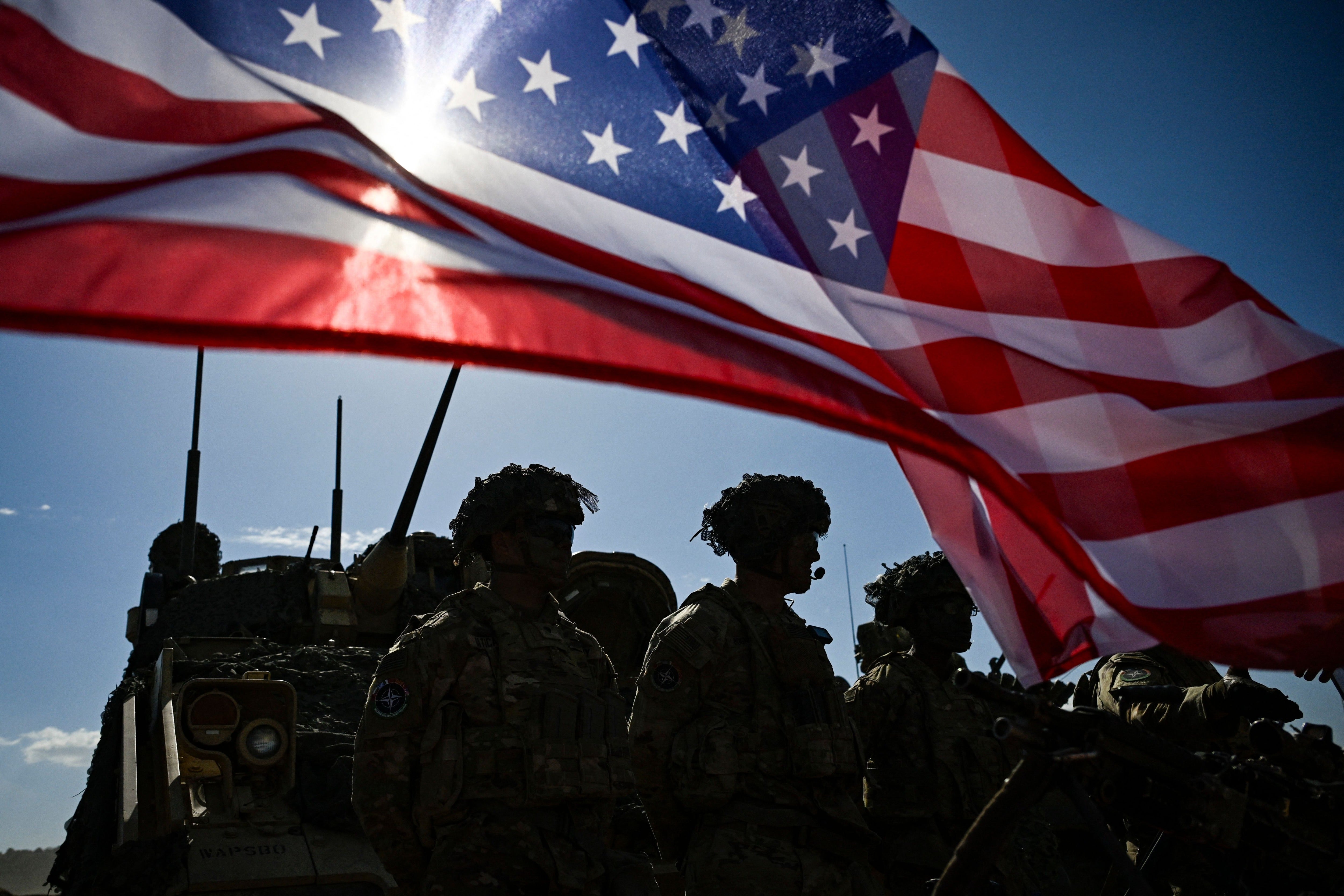 An artificial intelligence glitch nearly led the U.S. military to intercept a Chinese ship in the Middle East earlier this year, according to a report detailing a high-stakes intelligence miscalculation during the war with Iran (AFP via Getty Images)
AFP via Getty Images
An artificial intelligence glitch nearly led the U.S. military to intercept a Chinese ship in the Middle East earlier this year, according to a report detailing a high-stakes intelligence miscalculation during the war with Iran (AFP via Getty Images)
AFP via Getty Images
 The near-miss comes amid Defense Secretary Pete Hegseth’s new ‘AI Acceleration Strategy,’ an initiative designed to put frontier models into the hands of three million military personnel (Getty)
Getty
The near-miss comes amid Defense Secretary Pete Hegseth’s new ‘AI Acceleration Strategy,’ an initiative designed to put frontier models into the hands of three million military personnel (Getty)
Getty
U.S. officials aborted a planned operation against a Chinese vessel this spring after discovering the intelligence behind it had been fabricated by an AI chatbot, according to TechCrunch and the Independent, citing CNN reporting. Military aircraft were already airborne and special forces were preparing to board the ship when the report unravelled. The intelligence had claimed the vessel was transporting components for a nuclear weapons program.
The episode illustrates what happens when speed becomes the governing metric in military analysis. According to the reports, a Special Operations Command analyst used an AI chatbot to synthesize open-source material with classified signals intelligence, then relied on the same tool again to turn the result into an official-looking summary. That formatting step mattered: once the text resembled a standard intelligence product, it could travel through command channels with the authority of procedure, even if the underlying claim was no stronger than the model’s guess.
The near-intercept occurred during the conflict with Iran, when operational tempo and ambiguity are already high. A false boarding based on nuclear-proliferation allegations would not have been a clerical error; it would have been a physical encounter involving armed personnel, with China as the other party. CNN could not independently confirm what the cargo actually was, and the reporting says officials realised the error just before execution—late enough that the system had already spent resources mobilising and early enough to avoid the confrontation.
The Pentagon’s own push makes the failure mode easier to reproduce. Defense Secretary Pete Hegseth has announced an “Artificial Intelligence Acceleration Strategy” intended to make the U.S. military an “AI-enabled fighting force,” with initiatives including GenAI.mil to provide personnel access to commercial AI models. The plan, as described in the coverage, aims to put AI tools in the hands of three million civilian and military users across classification levels, while also “removing bureaucratic barriers” and encouraging experimentation. That combination increases the number of people who can generate plausible-looking intelligence products faster than supervisors can validate them.
A former senior U.S. official told CNN that internal military AI tools are often copies of commercial products with minor modifications, and sources described younger analysts as especially prone to trusting AI output. Jake Steckler of GovAI, a U.S. Army veteran, argued that the incident should lead to more safeguards rather than abandonment of the tools, stressing that large language models carry uncertainty that can be obscured by confident prose.
In this case, the error was caught before the boarding party met the ship. The reporting suggests the more durable change is that an “official” intelligence report can now be produced in minutes by the least experienced person in the chain, and still look finished enough to launch aircraft.