
Trump removes Venezuela from US drug blacklist
State Department cites Maduro arrest and Tren de Aragua leader death, Colombia kept decertified while promised a 2027 reversal
Images
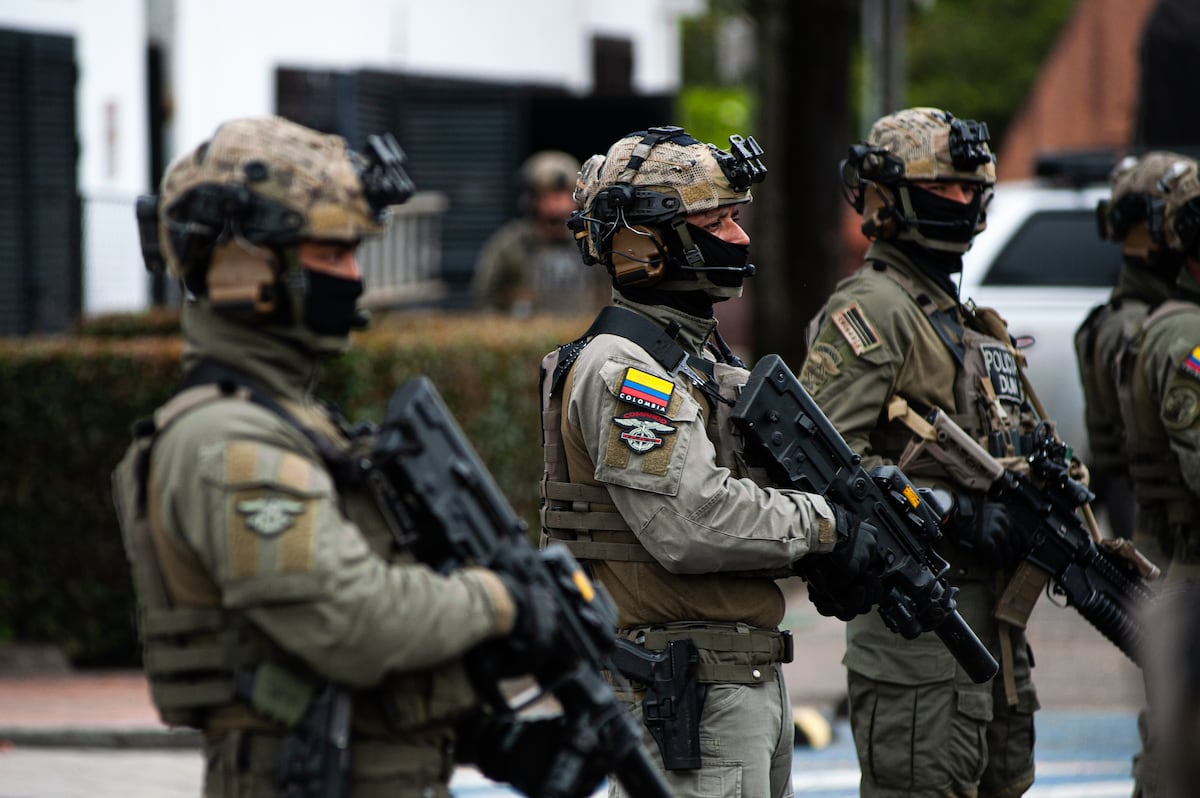 Trump removes Venezuela from list of countries failing to combat drug trafficking but keeps Colombia on it
english.elpais.com
Trump removes Venezuela from list of countries failing to combat drug trafficking but keeps Colombia on it
english.elpais.com
The Trump administration has removed Venezuela from the US list of countries deemed to be failing to combat international drug trafficking, while keeping Colombia on the same blacklist. According to El País, the State Department tied the Venezuela decision to Nicolás Maduro’s arrest and removal from power in January 2026 and to the June death of Tren de Aragua leader Héctor Rusthenford Guerrero, both following US-led military operations in Venezuela. President Donald Trump framed the shift as recognition of “positive steps” under acting president Delcy Rodríguez, who now governs under US supervision.
The designation is not a technical audit so much as a lever that can be tightened or loosened depending on who is in charge and what Washington wants next. El País reports that Rodríguez’s government is deepening cooperation with the Trump administration through a series of oil agreements, turning drug-control certification into part of a broader bargain: access, alignment and compliance in exchange for diplomatic relief. The legal record has moved with the politics. Until his arrest, Maduro was described by Washington as the leader of the so-called Cartel of the Suns; a 2020 US indictment alleged he helped manage and ultimately lead the organization. El País notes that references to the cartel were later removed from the indictment filed against him after his imprisonment in New York.
Venezuela’s removal from the “failed demonstrably” list does not mean it has been reclassified as a low-risk country. It remains on the US list of major drug-transit and drug-producing nations alongside Colombia, Bolivia, El Salvador, Ecuador, Mexico and Guatemala, a reminder that the labels are stacked: one list triggers penalties and waivers, the other is a standing map of routes and production.
Colombia, meanwhile, stays decertified—at least for now—despite Washington’s increasingly open support for the new government of President Abelardo de la Espriella, in office for about 40 days as of September 17. Trump told Congress Colombia is poised to resume its place as the foremost US security partner in the hemisphere under de la Espriella, and suggested the designation could be reversed in 2027. The message also blamed record coca cultivation and cocaine production on the “failed socialist policies” of former president Gustavo Petro, even as Trump again granted Colombia a waiver to avoid the automatic suspension of security cooperation and economic sanctions that can follow decertification.
The Colombian-American Chamber of Commerce, El País reports, urged observers to read the outcome on two levels: the legal status is unchanged, but the political context has shifted. In practical terms, Colombia is being told it is still on probation while also being promised that good behavior will be rewarded.
Washington’s list now treats Venezuela as a country that has improved after a US-backed change of power, and Colombia as a country that will be upgraded once it proves it can deliver coca eradication and dismantle “narcoterrorist” networks. Both countries remain major transit points on the same US map.